Housing Market ‘Correction’: Why Falling House Prices Could Be a Blessing in Disguise for Young Australians
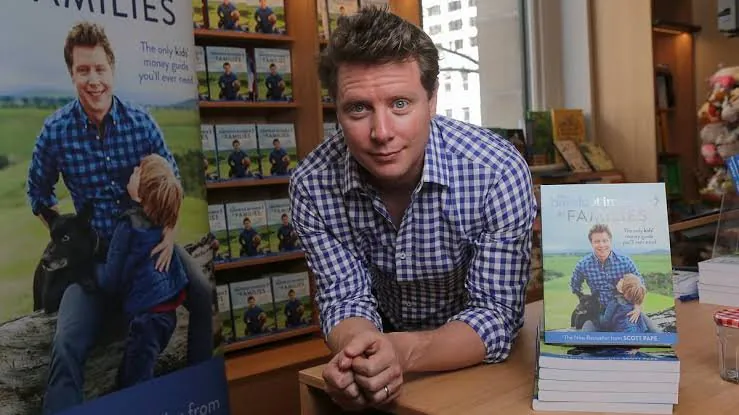
- Scott Pape, the Barefoot Investor, argues that falling house prices are a necessary correction to the market, which has treated homes like shares for too long.
- Australian property values have continued to slide, with a 0.7 per cent drop in July, the steepest monthly fall since late 2022.
- The downturn has hit Sydney and Melbourne hardest, with home values down 1.4 per cent and 1.2 per cent respectively, and both cities now more than five per cent below their peaks.
- Pape welcomes the cooling housing market, saying it will help young and first home buyers who have been locked out of the market for too long.
The Australian housing market has been on a wild ride in recent years, with prices skyrocketing to unprecedented heights. But now, with the market beginning to cool, some experts are warning of a crisis.
However, Scott Pape, the Barefoot Investor, is not among them. In fact, he’s welcoming the downturn, saying it’s a necessary correction to a market that has treated homes like shares for too long.
According to data from property analytics firm Cotality, national dwelling values fell 0.7 per cent in July, the steepest monthly drop since late 2022. The annual growth rate has also slowed, with prices up 5.3 per cent compared to much larger gains seen earlier in the year.

The downturn has hit the country’s two largest cities hardest, with Sydney home values down 1.4 per cent and Melbourne falling 1.2 per cent.
Both cities are now more than five per cent below their peaks.




But Pape says fears about falling prices often miss the bigger picture. He points out that even if prices fell 10 per cent, they’d only be back where they were in late 2024.
He argues that the market is due for a correction, given the extraordinary housing boom of the past 25 years. The average house price has surged by more than 400 per cent since 2000, far outpacing wage growth and feeding into Australia’s affordability woes.
Pape believes the housing downturn has been partly driven by government reforms designed to reduce investor demand, including scrapping the 50 per cent capital gains tax discount and winding back negative gearing concessions for existing homes.
He says the government’s efforts to make property investing less attractive are paying off, and that many investors had always banked on one thing: that prices would keep climbing.
Without strong capital gains, he says, investors are left with all the headaches of property ownership for underwhelming returns.
But it’s not just investors who are feeling the pinch.
Pape highlights shifting public attitudes towards housing, citing a Resolve Political Monitor poll showing 61 per cent of Australians want prices to fall, including many existing homeowners.
He argues that this shows growing concerns about young Australians struggling to get their start in the market.
As he puts it, “That sounds kind of mad, a couple hoping their biggest asset drops in value, until you clock the 28-year-old still asleep in the back bedroom.”
Pape believes that Australia has lost sight of the true purpose of housing, treating homes more like shares than shelter and celebrating soaring values regardless of affordability.
He says that somewhere along the way, we started treating houses like a share price, forgetting that a house is actually for living in.
Analysis: What This Means for Australia
The cooling housing market has significant implications for Australia’s economy and society. On the one hand, falling prices could make housing more affordable for young Australians who have been locked out of the market for too long.
This could lead to increased homeownership rates and a more stable housing market in the long term.
On the other hand, the downturn could have negative consequences for the economy, particularly if it leads to a decline in consumer spending and a decrease in economic growth.
Additionally, the impact on the construction industry and related sectors could be significant, leading to job losses and economic disruption.
However, Pape’s argument that the market is due for a correction is hard to ignore.
The fact that the average house price has surged by more than 400 per cent since 2000 is unsustainable and has led to significant affordability issues.
A correction in the market could help to rebalance the economy and make housing more accessible to those who need it most.
As security analysts say, the key to navigating this downturn is to take a long-term view. While the short-term consequences may be painful, the long-term benefits of a more sustainable housing market could be significant.
As Pape puts it, “This is a correction we’ve needed for 20 years.”
Industry observers believe that the government’s efforts to reduce investor demand are a step in the right direction.
By making property investing less attractive, the government is helping to take the heat out of the market and make housing more affordable for those who need it most.
Ultimately, the cooling housing market is a complex issue with both positive and negative consequences. However, as Pape argues, it’s a necessary correction to a market that has been unsustainable for too long.
As the market continues to evolve, it’s essential to take a long-term view and prioritize affordability and sustainability over short-term gains.