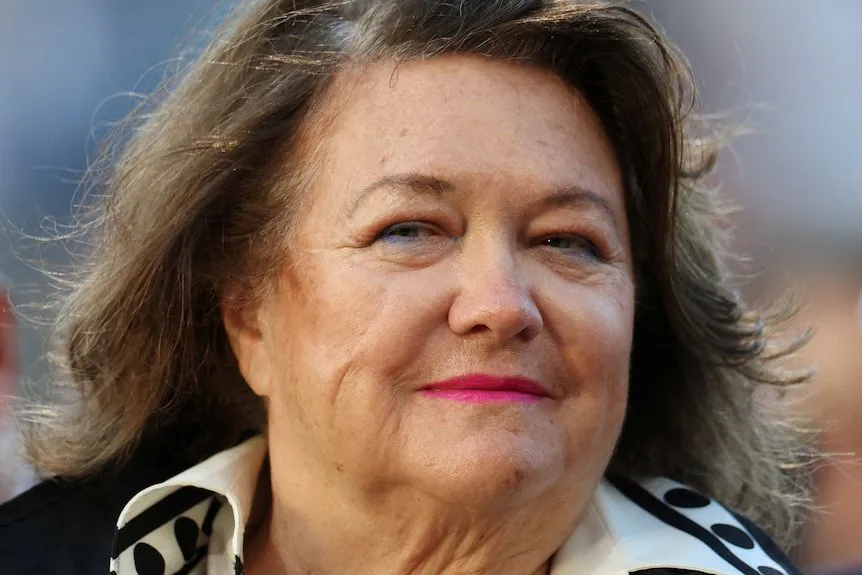
‘A Dark Day for Australian Television’: Gina Rinehart Responds to ABC’s ‘Belated’ Apology Over On-Air Attack
- Australia’s richest person, Gina Rinehart, has slammed the ABC’s ‘belated’ apology over a filmmaker’s graphic on-air attack that described assaulting her with a stick to ‘make one big sausage roll’.
- The ABC has faced outrage and calls for greater accountability after the film was aired on July 12, with many questioning the broadcaster’s editorial standards.
- Mrs Rinehart’s company, Hancock Prospecting, has demanded ‘long overdue changes’ to the ABC’s editorial standards, warning that the content ‘normalised violent torture against a woman till death’.
The ABC’s apology comes more than four weeks after the episode aired, and only after Mrs Rinehart threatened legal action.
The broadcaster’s managing director, Hugh Marks, issued a statement saying the ABC acknowledges the episode ‘fell short of community expectations’ and apologises to Mrs Rinehart and anyone else affected or upset by the publication of the film.
However, Hancock Prospecting has hit back, saying the apology is ‘belated’ and that the ABC’s editorial standards need to stop ‘sexual violence and torture until death episodes being shown or depicted in any form against any woman’.
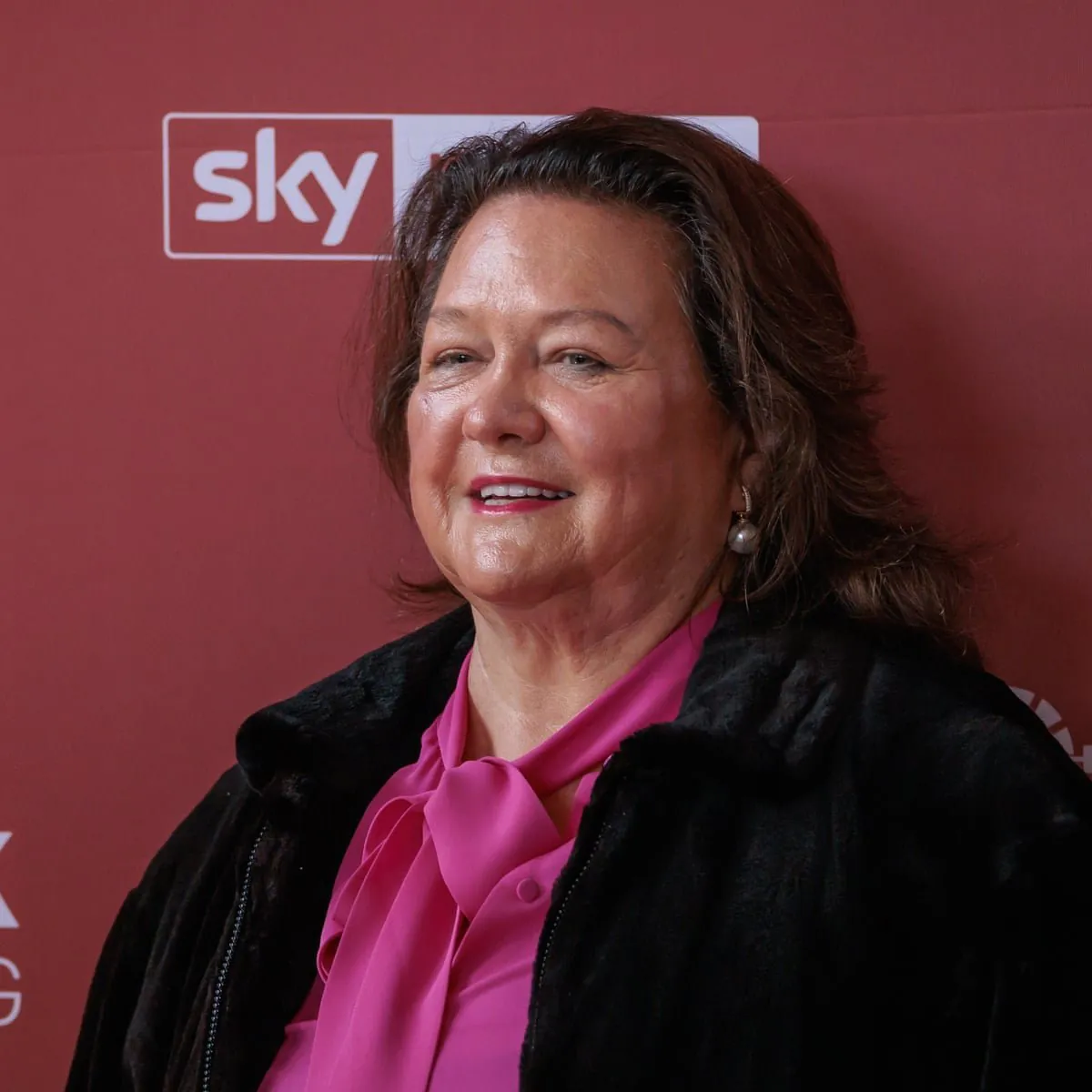
The company’s spokesperson claimed the ABC’s ombudsman misstated that the episode was ‘not accompanied by any visual depictions of violence’, pointing out that the film included a picture of Mrs Rinehart’s head on a stick.
The incident has sparked a heated debate about the ABC’s editorial standards and its handling of complaints.

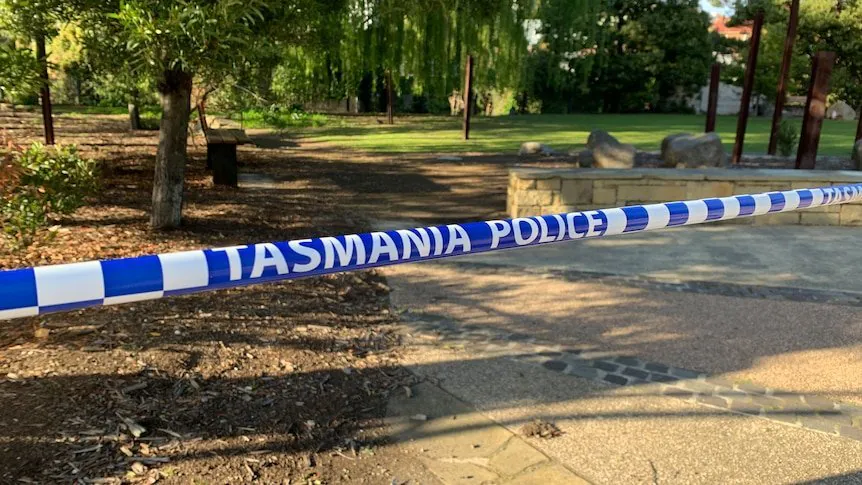
Hancock Prospecting has accused the broadcaster of having a ‘lack of reasonable editorial standards’, citing the fact that the ABC ombudsman has only found that fewer than five per cent of complaints raised in the last five years resulted in a breach of standards.
Security analysts say the incident highlights the need for greater accountability and transparency in the media, particularly when it comes to the portrayal of violence against women.
‘The ABC’s handling of this incident is a classic example of how not to respond to criticism,’ one analyst said. ‘The belated apology and lack of transparency only serve to further erode trust in the media.’
The incident has also raised questions about the ABC’s role in promoting and supporting emerging artists, and whether the broadcaster is doing enough to ensure that its content meets community expectations.
Industry observers believe that the ABC needs to take a more nuanced approach to satire and comedy, and that the broadcaster must be more mindful of the potential impact of its content on vulnerable individuals and groups.
Analysis: What This Means for Australia
The ABC’s handling of this incident has significant implications for Australia’s media landscape.
The broadcaster’s editorial standards and its handling of complaints are under scrutiny, and the incident has raised questions about the role of the media in promoting and supporting emerging artists.
The incident also highlights the need for greater accountability and transparency in the media, particularly when it comes to the portrayal of violence against women.
Law enforcement insiders warn that the incident could have serious consequences for the ABC, particularly if the broadcaster is found to have breached its editorial standards.
‘The ABC’s reputation is on the line, and the broadcaster needs to take immediate action to address the concerns raised by this incident,’ one insider said.
The incident is also likely to have economic and social consequences, particularly for the ABC and its stakeholders. The broadcaster’s reputation and credibility are at risk, and the incident could impact the ABC’s ability to attract and retain talent and funding.
Ultimately, the incident serves as a reminder of the importance of accountability and transparency in the media, and the need for broadcasters to prioritize the safety and well-being of all individuals and groups.
As one industry observer noted, ‘The ABC’s handling of this incident is a wake-up call for the media industry as a whole, and a reminder that we need to do better when it comes to promoting and supporting emerging artists and protecting vulnerable individuals and groups.’