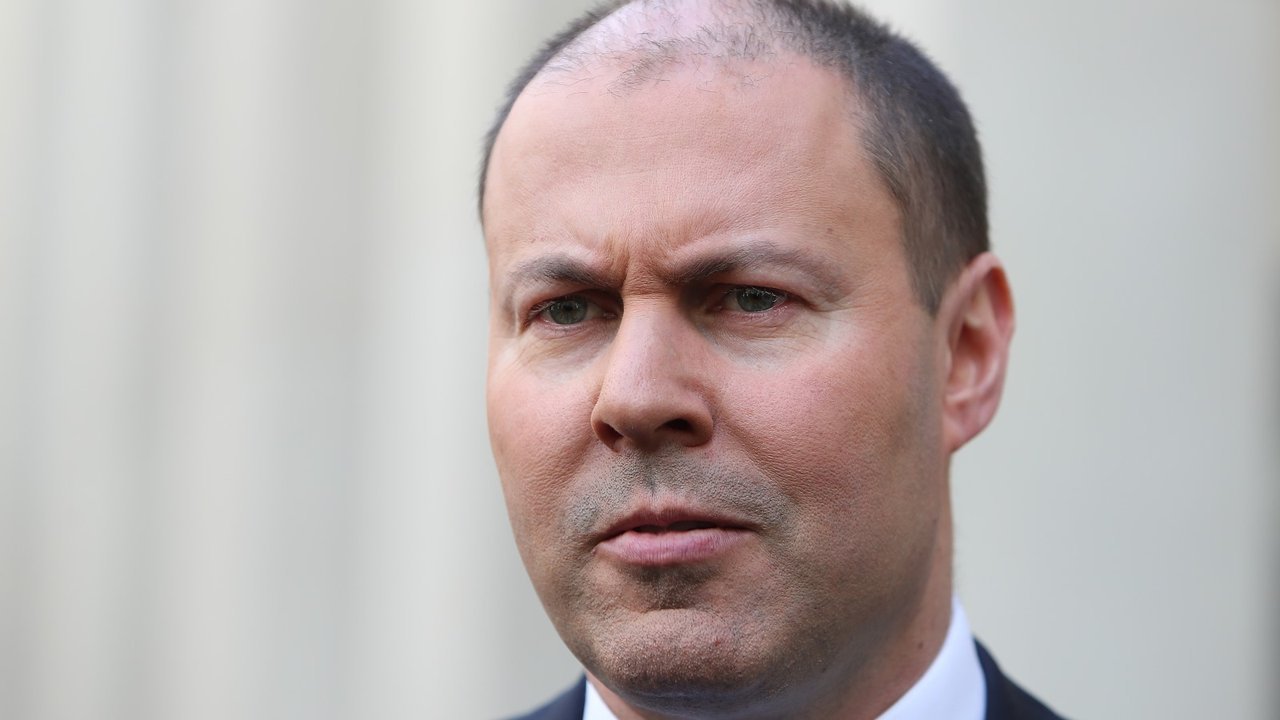
Former Treasurer Josh Frydenberg Slams Royal Commission on Antisemitism for Snubbing Him as Witness
- Josh Frydenberg, a key advocate for the Royal Commission on Antisemitism and Social Cohesion, says he’s been advised he won’t be called as a witness despite making a submission and offering to appear.
- The former treasurer and prominent member of the Australian Jewish community has been a vocal critic of antisemitism and has faced significant threats for his stance.
- The royal commission has sparked controversy over its handling of pro-Palestinian groups, with some critics accusing them of “hijacking” the inquiry.
- Commissioner Virginia Bell has denied these claims, but the commission’s approach has raised questions about its ability to tackle the complex issue of antisemitism in Australia.
The Royal Commission on Antisemitism and Social Cohesion has been marred by controversy, with former treasurer Josh Frydenberg revealing he’s been snubbed as a witness despite his vocal advocacy for the inquiry.
Frydenberg, a prominent member of the Australian Jewish community, has been a key player in the push to establish the commission, which was set up in response to the Bondi Beach terror attack in 2025.
According to Frydenberg, he made a submission to the commission and indicated his willingness to appear as a witness, but was told last week that he wouldn’t be called.
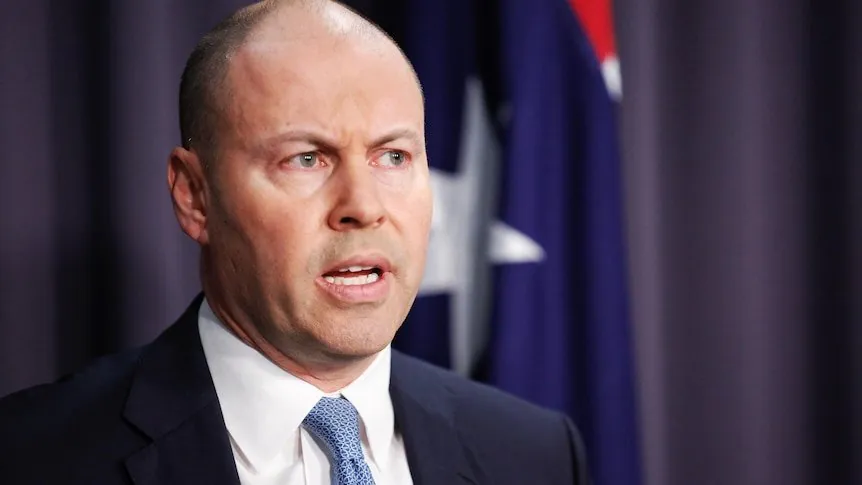
The news has left him feeling frustrated and concerned about the commission’s approach to tackling antisemitism.
“I heard nothing until last Friday afternoon when I was informed via the royal commission’s legal team that I would not be called,” Frydenberg wrote in an opinion piece for The Australian.


The commission has heard from a number of Jewish politicians, including federal Member for Macnamara Joshua Burns, former attorney-general and Labor MP Mark Dreyfus, and federal Liberal MP Julian Leeser.
However, Frydenberg’s exclusion has raised questions about the commission’s priorities and its ability to tackle the complex issue of antisemitism in Australia.
The commission has also faced criticism over its handling of pro-Palestinian groups, with some accusing them of “hijacking” the inquiry. Commissioner Virginia Bell has denied these claims, but the controversy has highlighted the challenges of navigating the complex and emotive issue of antisemitism.
Analysis: What This Means for Australia
The royal commission’s approach to antisemitism has significant implications for Australia’s national security and social cohesion. The exclusion of Josh Frydenberg as a witness raises concerns about the commission’s ability to tackle the issue in a comprehensive and meaningful way.
As a prominent member of the Australian Jewish community, Frydenberg’s insights and expertise would have been invaluable in helping the commission understand the complexities of antisemitism in Australia.
Furthermore, the commission’s handling of pro-Palestinian groups has sparked controversy and raised questions about its ability to navigate the complex and emotive issue of antisemitism.
The commission’s approach must be careful not to perpetuate or exacerbate tensions between different communities, but rather to promote understanding and tolerance.
Security analysts say that the commission’s approach to antisemitism has significant implications for Australia’s national security.
“The commission’s ability to tackle antisemitism in a comprehensive and meaningful way is crucial to preventing the spread of hate and extremism in Australia,” said one analyst.
Law enforcement insiders warn that the commission’s approach must be careful not to create a backlash against certain communities. “The commission must be careful not to perpetuate or exacerbate tensions between different communities, but rather to promote understanding and tolerance,” said one insider.
Industry observers believe that the commission’s approach to antisemitism has significant economic and social consequences for Australia.
“The commission’s ability to tackle antisemitism in a comprehensive and meaningful way is crucial to promoting social cohesion and preventing the spread of hate and extremism in Australia,” said one observer.