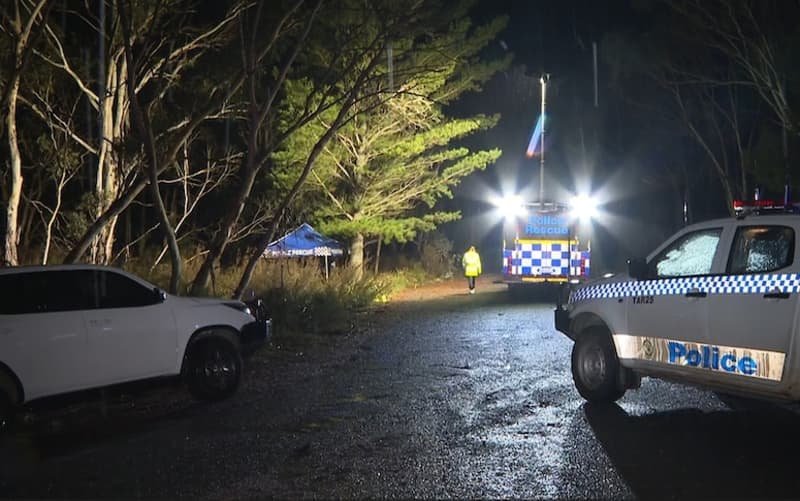
‘Body in Suitcase’ Horror Turns Out to Be Sex Doll: How a Small NSW Village Was Left Shaken by a Sinister Discovery
- A suitcase found in southern NSW bushland sparked a massive police investigation, with fears a woman’s body had been dumped in the isolated area.
- But in a bizarre twist, forensic examinations revealed the ‘body’ was actually a life-like sex doll, complete with clothing, hair, and a nose piercing.
- The discovery has left the small village of Oallen reeling, with police defending their handling of the investigation.
- Experts say the incident highlights the need for vigilance in rural areas, where crime can often go undetected.
The discovery of a suitcase in a remote area of southern NSW sent shockwaves through the small village of Oallen, with police initially fearing the worst.
The luggage, found by two members of the public on Sunday afternoon, was believed to contain the remains of a woman. But as forensic examinations got underway, a surprising truth began to emerge.
The investigation, which commenced at 1pm on Sunday, was shrouded in secrecy, with police working to determine the identity of the ‘body’ and the circumstances surrounding its discovery.
But more than 20 hours later, the results were in – and they were not what anyone expected. The ‘body’ was, in fact, a life-like sex doll, complete with clothing, hair, and a nose piercing.
So, how did this bizarre discovery come to pass? And what does it reveal about the complexities of modern policing?


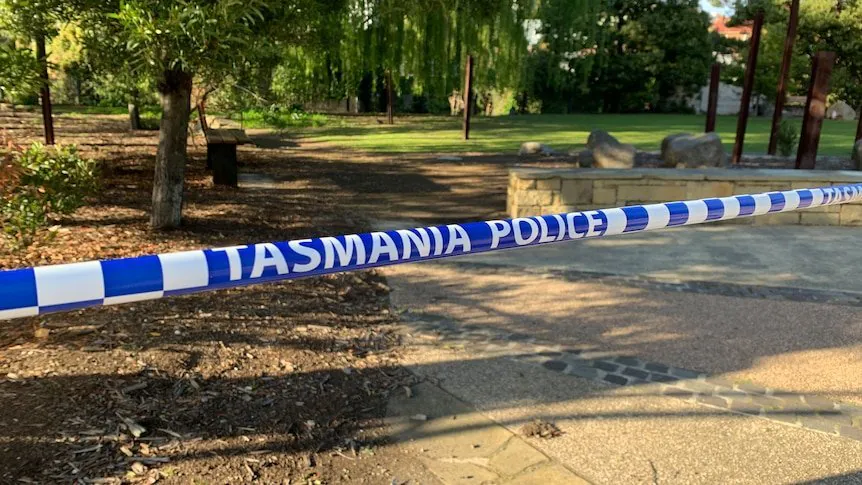
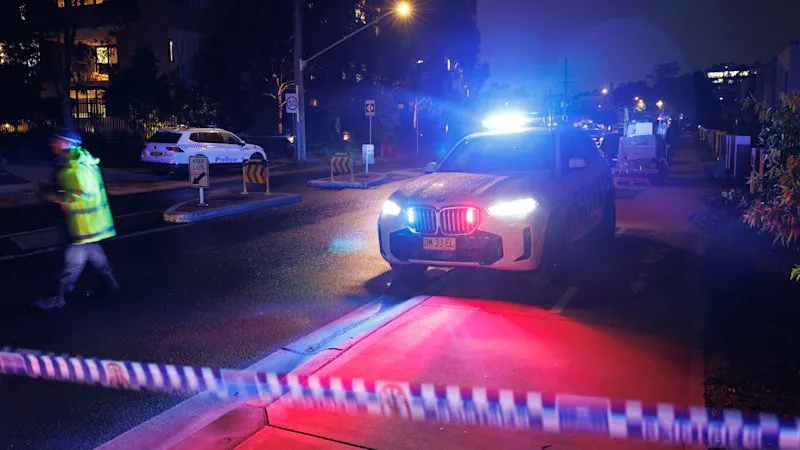
To understand the events that unfolded, it’s necessary to go back to the beginning. The suitcase was found on a dirt road near Wolgon Road at Oallen, a small village on the Shoalhaven River in the Southern Tablelands.
The area is known for its picturesque landscapes and quiet, rural charm – making the discovery all the more jarring. As news of the ‘body’ spread, the community was left reeling.
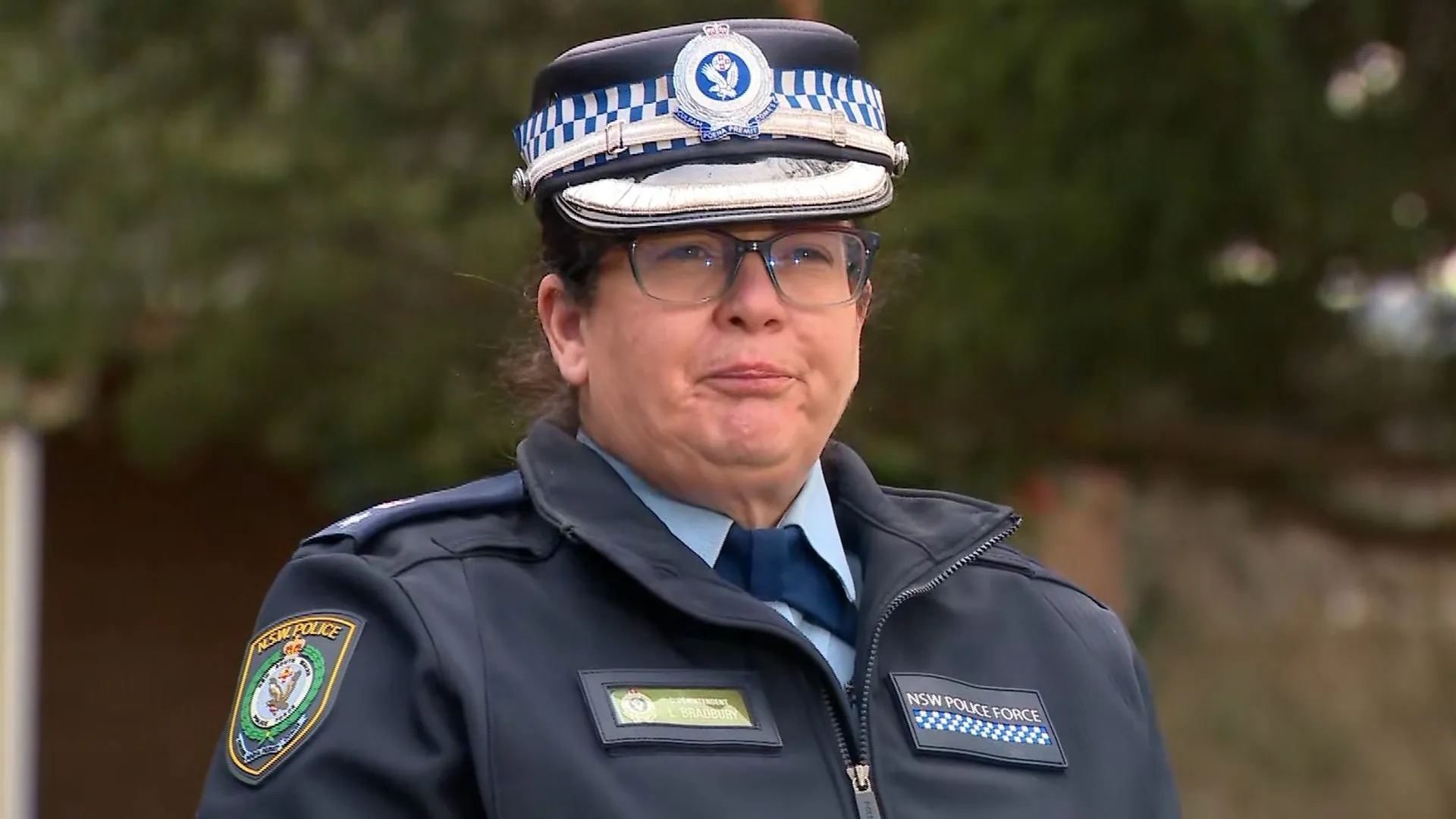
But police were quick to defend their handling of the investigation, with Commander of the Hume Police District, Superintendent Linda Bradbury, stating that the correct processes were followed.
“The idea is to not disturb crime scenes as much as possible, to maintain the integrity of our investigation,” she explained.
“We’ve been able to collect the remains, and then take them to investigation at forensics to then determine that they are not human.”
But the incident raises questions about the challenges faced by police in rural areas, where resources can be limited and crime can often go undetected.
“It’s a timely reminder of the importance of vigilance in our communities,” says one security expert. “In areas like Oallen, it’s not uncommon for crime to go unreported – or for suspicious activity to be overlooked.
This incident highlights the need for residents to remain vigilant and report any suspicious activity to the authorities.”
Analysis: What This Means for AustraliaThe discovery of the sex doll in Oallen may seem like an isolated incident, but it has broader implications for Australia’s law enforcement agencies.
As the country grapples with the challenges of rural crime, the need for effective communication and cooperation between police and local communities has never been more pressing.
The incident also highlights the importance of forensic science in modern policing. The use of advanced forensic techniques allowed police to quickly determine that the ‘body’ was not human, avoiding a lengthy and potentially traumatic investigation.
But it also raises questions about the reliability of forensic evidence and the potential for mistakes to be made.
As Australia’s police forces continue to evolve and adapt to new challenges, the incident in Oallen serves as a timely reminder of the need for ongoing training and resources.
By investing in the latest forensic techniques and technologies, police can better respond to the complex and often unexpected challenges that arise in rural areas. Expert commentary suggests that the incident may also have implications for Australia’s approach to sex doll ownership and regulation.
“The use of life-like sex dolls raises important questions about consent, exploitation, and the objectification of women,” says one social commentator.
“As we move forward, it’s essential that we consider the potential consequences of these dolls on our society – and take steps to regulate their use accordingly.”
In the aftermath of the incident, police are urging residents to remain vigilant and report any suspicious activity to the authorities.
As the village of Oallen begins to return to normal, one thing is clear – the discovery of the sex doll has left a lasting impact on the community, and raised important questions about the complexities of modern policing.
The discovery of a suitcase in a remote area of southern NSW sent shockwaves through the small village of Oallen, with police initially fearing the worst. The luggage, found by two members of the public on Sunday afternoon, was believed to contain the remains of a woman. But as forensic examinations got underway, a surprising truth began to emerge.
The investigation, which commenced at 1pm on Sunday, was shrouded in secrecy, with police working to determine the identity of the ‘body’ and the circumstances surrounding its discovery. But more than 20 hours later, the results were in – and they were not what anyone expected. The ‘body’ was, in fact, a life-like sex doll, complete with clothing, hair, and a nose piercing.
So, how did this bizarre discovery come to pass? And what does it reveal about the complexities of modern policing? To understand the events that unfolded, it’s necessary to go back to the beginning. The suitcase was found on a dirt road near Wolgon Road at Oallen, a small village on the Shoalhaven River in the Southern Tablelands. The area is known for its picturesque landscapes and quiet, rural charm – making the discovery all the more jarring.
As news of the ‘body’ spread, the community was left reeling. But police were quick to defend their handling of the investigation, with Commander of the Hume Police District, Superintendent Linda Bradbury, stating that the correct processes were followed. “The idea is to not disturb crime scenes as much as possible, to maintain the integrity of our investigation,” she explained. “We’ve been able to collect the remains, and then take them to investigation at forensics to then determine that they are not human.”
But the incident raises questions about the challenges faced by police in rural areas, where resources can be limited and crime can often go undetected. “It’s a timely reminder of the importance of vigilance in our communities,” says one security expert. “In areas like Oallen, it’s not uncommon for crime to go unreported – or for suspicious activity to be overlooked. This incident highlights the need for residents to remain vigilant and report any suspicious activity to the authorities.”
The discovery of the sex doll in Oallen may seem like an isolated incident, but it has broader implications for Australia’s law enforcement agencies. As the country grapples with the challenges of rural crime, the need for effective communication and cooperation between police and local communities has never been more pressing.
The incident also highlights the importance of forensic science in modern policing. The use of advanced forensic techniques allowed police to quickly determine that the ‘body’ was not human, avoiding a lengthy and potentially traumatic investigation. But it also raises questions about the reliability of forensic evidence and the potential for mistakes to be made.
As Australia’s police forces continue to evolve and adapt to new challenges, the incident in Oallen serves as a timely reminder of the need for ongoing training and resources. By investing in the latest forensic techniques and technologies, police can better respond to the complex and often unexpected challenges that arise in rural areas.
Expert commentary suggests that the incident may also have implications for Australia’s approach to sex doll ownership and regulation. “The use of life-like sex dolls raises important questions about consent, exploitation, and the objectification of women,” says one social commentator. “As we move forward, it’s essential that we consider the potential consequences of these dolls on our society – and take steps to regulate their use accordingly.”
In the aftermath of the incident, police are urging residents to remain vigilant and report any suspicious activity to the authorities. As the village of Oallen begins to return to normal, one thing is clear – the discovery of the sex doll has left a lasting impact on the community, and raised important questions about the complexities of modern policing.