
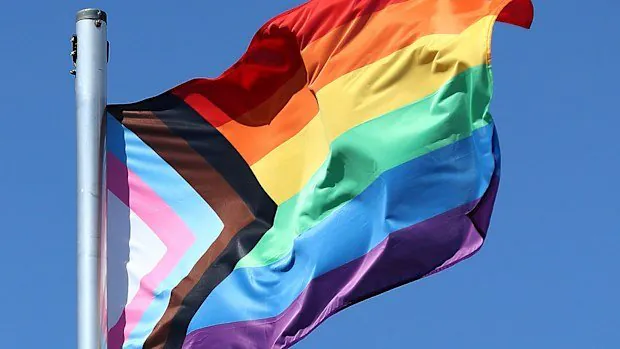
Australia Takes a Historic Leap Towards Inclusivity: 2026 Census to Include Groundbreaking Questions on Gender and Sexual Orientation
- The 2026 census will feature new questions on sexual orientation and gender identity, a major victory for the LGBTQ+ community after years of advocacy.
- For the first time, Australians aged 16 and over will be asked to describe their gender and sexual orientation, with the option to answer or not.
- The changes are expected to fill crucial data gaps and lead to targeted services and support for LGBTQ+ communities, addressing healthcare disparities, poverty, and homelessness.
- The move is hailed as a powerful symbol of inclusivity, allowing individuals like Roxie Swart, a non-binary Canberra resident, to be properly counted for the first time.
The Australian Bureau of Statistics (ABS) has made a significant stride towards inclusivity with the announcement that the 2026 census will include new questions on sexual orientation and gender identity.
This move is a culmination of years of tireless advocacy by LGBTQ+ groups, who have fought for better representation and recognition.
For the first time, Australians aged 16 and over will be asked to describe their gender and sexual orientation, with the option to answer or not.
The questions, which are entirely optional, are a major victory for the LGBTQ+ community, who have long been seeking a more accurate reflection of their experiences in the national data.
The new questions are the result of a hard-fought campaign by LGBTQ+ advocates, including Equality Australia’s legal director, Heather Corkhill.
Corkhill has been at the forefront of the push for greater inclusivity, arguing that the lack of data on LGBTQ+ individuals has led to significant gaps in access to healthcare, health disparities, poverty levels, and housing and homelessness.
The new questions are expected to fill these gaps and lead to targeted services and support for LGBTQ+ communities. As Corkhill noted, “We see gaps in access to healthcare, health disparities, poverty levels, housing and homelessness disparities…
This is quite a powerful moment, to be counted for the first time.”
The ABS has also updated several other categories, including the question about ancestry, which now allows people to report up to four ancestries instead of just two.
Additionally, the question about long-term health conditions has been expanded to include liver disease, and e-bikes have been added as a mode of travel to work.
However, a question about intersex status was considered but ultimately excluded, with the ABS citing that it was not well understood during testing. Equality Australia has committed to working with intersex communities to ensure that they are captured in the next survey.
According to Australian National University demographer Liz Allen, the 2026 census is “the most progressive one we’ve had yet in Australia.” The new questions about gender identity and sexual orientation are a significant step towards greater inclusivity, and the ABS’s willingness to listen to LGBTQ+ advocates and update the survey accordingly is a testament to the power of advocacy and community engagement.
Analysis: What This Means for Australia
The inclusion of new questions on sexual orientation and gender identity in the 2026 census is a significant development for Australia, with far-reaching implications for the LGBTQ+ community.
For the first time, Australians will be able to accurately identify themselves, providing a more complete picture of the country’s diversity. This data will be crucial in addressing the significant disparities faced by LGBTQ+ individuals, including healthcare disparities, poverty, and homelessness.
As the ABS continues to update and refine its survey, it is essential that it prioritizes inclusivity and accuracy, ensuring that all Australians are counted and represented.
Security analysts say that the new questions will provide valuable insights into the experiences of LGBTQ+ individuals, allowing for more targeted support and services.
Law enforcement insiders warn that the lack of data on LGBTQ+ individuals has made it challenging to address the specific needs of these communities, and the new questions will help to bridge this gap.
Industry observers believe that the updated census will have a positive impact on the economy, as more accurate data will enable businesses and organizations to better serve the needs of LGBTQ+ individuals.
As Australia takes this historic leap towards inclusivity, it is essential to recognize the tireless efforts of LGBTQ+ advocates, who have fought for years to ensure that their voices are heard.
The 2026 census is a significant step towards a more inclusive and equitable society, and it is crucial that we continue to prioritize the needs and experiences of all Australians.