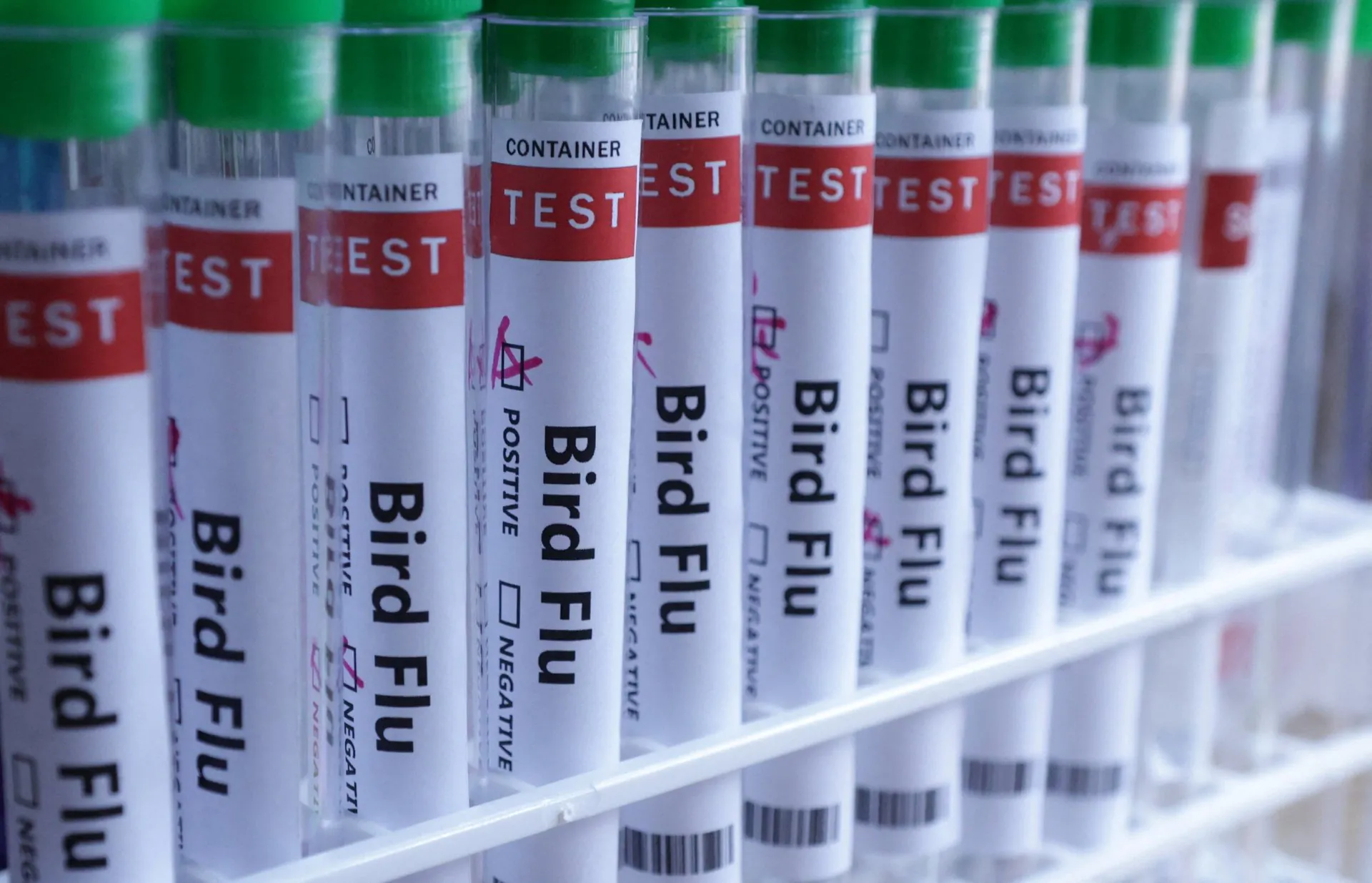
Bird Flu Apocalypse: Australia’s Desperate Bid to Save Native Species as Death Toll Mounts and Vaccine Rollout Begins
- Australia’s bird flu crisis deepens with over 230 cases confirmed and a mass mortality event involving native wildlife
- Government launches vaccine rollout for priority native species in captivity, but wild birds are not a priority due to logistical challenges
- Experts warn of a long and difficult battle ahead, with vaccination just one part of a broader strategy to combat the deadly H5N1 virus
- Regional communities on high alert as the disease spreads across the country, with Tasmania, the Northern Territory, and the ACT the only jurisdictions yet to record cases
Australia is racing against time to protect its native bird species from the deadly H5N1 bird flu, with a vaccine rollout set to begin in the coming days.
The move comes as the country grapples with a growing outbreak that has already claimed a significant toll on native wildlife.
Agriculture Minister Julie Collins has announced that priority native bird species in captivity will be targeted for vaccination, but wild birds will not be prioritized due to the logistical challenges of administering two doses.
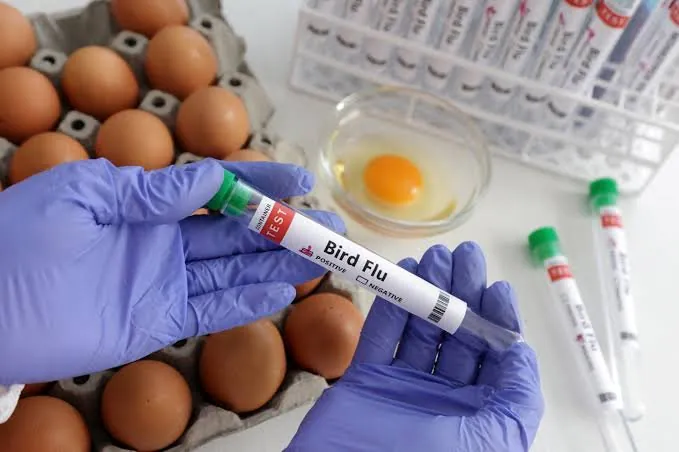
The government’s decision to launch a vaccine rollout is a desperate bid to stem the spread of the disease, which has already infected over 230 birds across the country.
The first mass mortality event involving Australian wildlife was recorded last week, and experts warn that the situation is likely to worsen before it improves.



“We cannot stop the H5 bird flu spreading amongst wild birds, but we can take action to protect the species most at risk and vaccination is now part of that response,” Minister Collins said.
The vaccine rollout will be guided by expert scientific advice, with states and territories set to administer the vaccine to priority species in the coming days.
Exactly which species will be targeted is up to each jurisdiction, but the focus will be on birds that are most vulnerable to the disease and have the greatest potential conservation impact.
An initial $2 million worth of vaccines has been secured, but the government has not confirmed how many birds will be vaccinated.
Environment Minister Murray Watt has emphasized that vaccination is just one part of a broader strategy to combat the bird flu outbreak. “It is difficult enough to catch wild birds once let alone twice,” Senator Watt said.
“Where it is possible to vaccinate wild birds, we will do so but the priority here is to vaccinate birds that are in captivity.” Australia’s Chief Veterinary Officer Beth Cookson has also warned that vaccination is not a standalone solution, and that biosecurity measures will remain crucial to protecting native species.
As the vaccine rollout begins, Australians are being warned to expect more spread and larger numbers of dead birds and mass mortalities around the country.
Minister Collins has announced that the government’s reporting of the disease will shift from individual case numbers to focusing on where it is spreading, new locations, or species affected.
The move is seen as an attempt to prepare the public for the worst, as the country braces for a long and difficult battle against the deadly H5N1 virus.
Analysis: What This Means for Australia
The bird flu outbreak has significant implications for Australia’s native species, and the government’s vaccine rollout is a crucial step in protecting them. However, the logistical challenges of vaccinating wild birds mean that the focus is on priority species in captivity.
This raises concerns about the long-term impact of the outbreak on Australia’s biodiversity, and the potential for the disease to spread to other species.
Security analysts say that the bird flu outbreak highlights the need for a coordinated national response to biosecurity threats.
“The government’s decision to launch a vaccine rollout is a positive step, but it is just one part of a broader strategy that needs to be put in place,” said one expert.
“We need to be prepared for the worst and have a plan in place to deal with the consequences of a major outbreak.”
Law enforcement insiders warn that the bird flu outbreak also has implications for regional communities, which are often on the front line of biosecurity threats.
“We need to make sure that we are supporting these communities and providing them with the resources they need to deal with the outbreak,” said one insider.
“This includes providing them with access to vaccines, as well as training and equipment to help them respond to the disease.”
Industry observers believe that the bird flu outbreak will also have economic implications for Australia, particularly in the agriculture and tourism sectors.
“The outbreak is already having an impact on the poultry industry, and it is likely to have a flow-on effect on the broader economy,” said one observer.
“We need to be prepared for the potential consequences of a major outbreak and have a plan in place to mitigate the impact.”
As the bird flu outbreak continues to spread across Australia, the government’s vaccine rollout is a crucial step in protecting native species. However, it is just one part of a broader strategy that needs to be put in place to deal with the consequences of the outbreak.
The government must be prepared to respond to the worst-case scenario and have a plan in place to support regional communities and mitigate the economic impact of the outbreak.