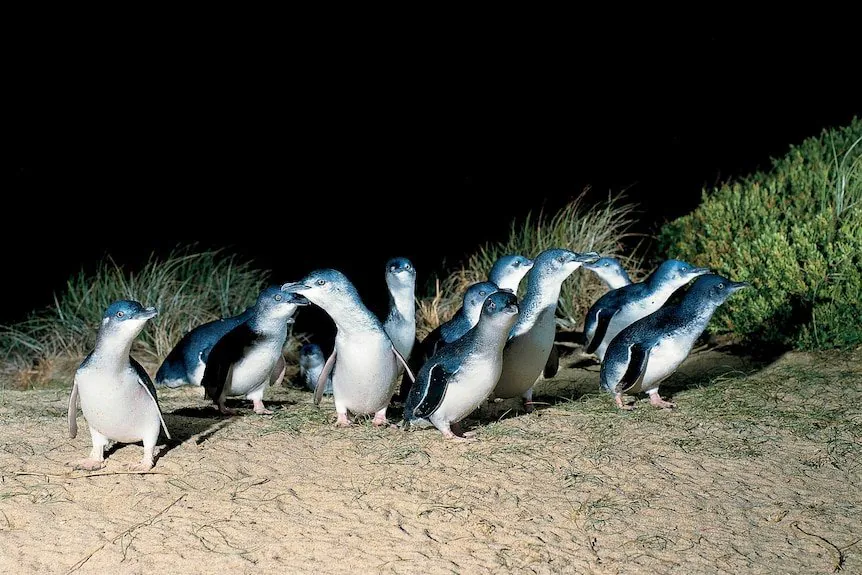
Desperate Bid to Save Australia’s Iconic Little Penguins from Devastating Bird Flu Outbreak
- Victorian authorities to round up 5,000 little penguins for vaccination against deadly H5N1 bird flu
- Worst-case scenario modelling suggests penguin deaths could reach 16,000 in a six-week outbreak on Phillip Island
- Experts warn of ‘ecological perfect storm’ that could see virus spread to livestock and humans
- $2 million national program to vaccinate priority species, with little penguins top of the list
The little penguins of Phillip Island are facing a deadly threat from the H5N1 bird flu outbreak sweeping Australia, with Victorian authorities launching a desperate bid to save the iconic species.
Over several weeks, 5,000 of the tiny birds will be rounded up and vaccinated against the virus, which has already claimed hundreds of lives across the country.
The little penguin is the smallest penguin species in the world and is native to Australia and New Zealand. But their communal lifestyle makes them particularly vulnerable to the spread of disease.
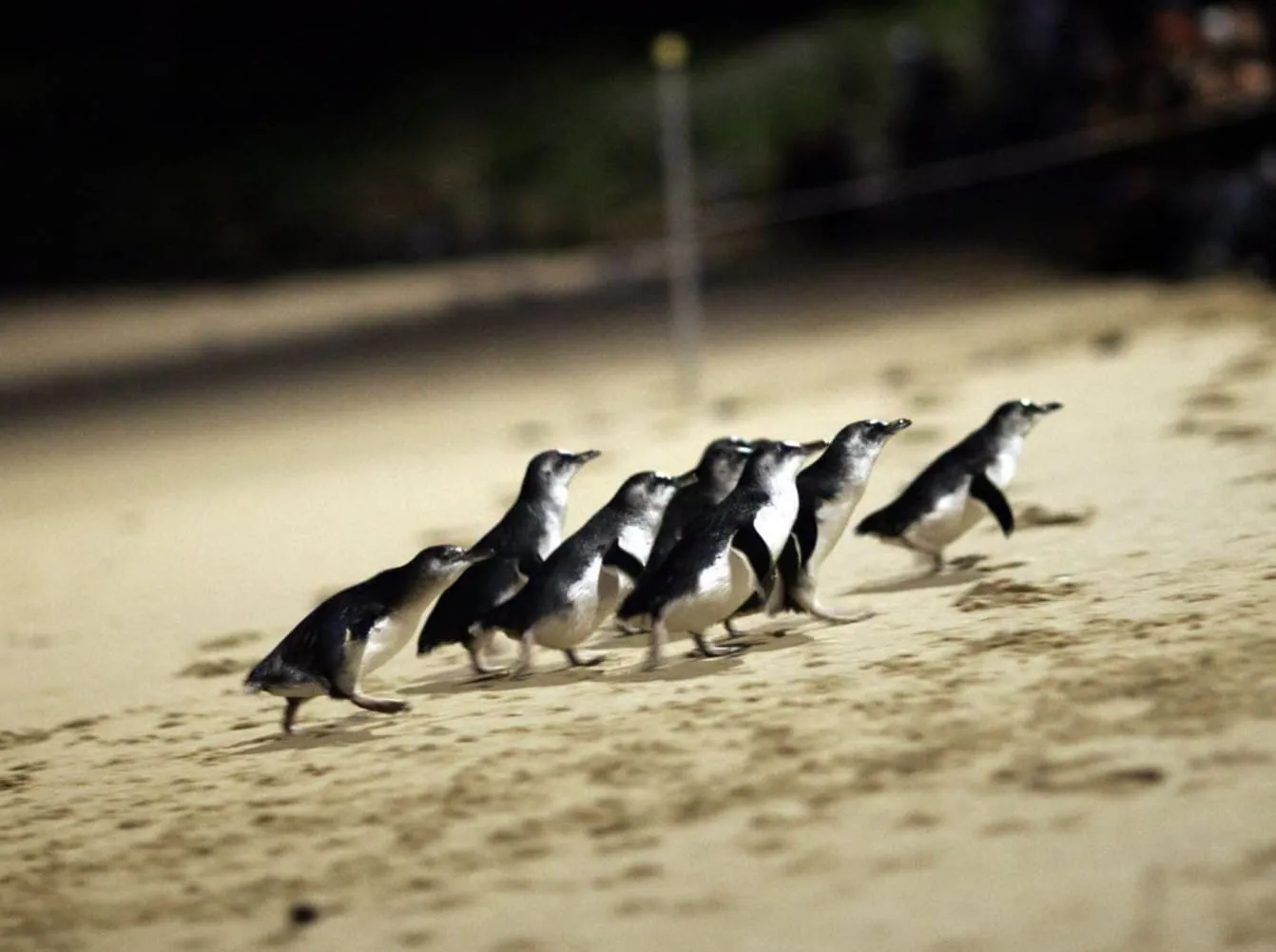
“They are a colony species that nest together,” explained Victoria’s chief biodiversity officer James Todd. “They’re a seabird that will come in contact with other seabirds that carry the virus.”
The vaccination program is part of a $2 million national effort to protect priority species from the bird flu outbreak. The federal government has purchased vaccines from overseas, with 1,500 doses already acquired.


But with two doses required for effective coverage, the task ahead is daunting. “We will need 10,000 doses to meet our target,” said Mr Todd.
The vaccine, initially developed for poultry, has been trialled on small native birds by the CSIRO. But experts warn that it’s not a silver bullet.
“It’s very much going to be targeted at those species that are under threat and can be caught to be vaccinated,” said veterinary epidemiologist Debbie Eagles.
With the virus already detected in New South Wales, Victoria, and South Australia, the risk of transmission to humans and other mammal species remains low, but not impossible.
“You would need an ecological perfect storm for the virus to spill over and impact livestock,” said senior research scientist Frank Wong.
As the vaccination program gets underway, experts are keeping a close eye on any potential mutations that could make the virus more deadly. But for now, the focus is on saving the little penguins.
“We are in the fortunate position that we’re a number of years behind other countries in terms of their own responses, which allows us the opportunity to learn from others’ trials,” said Dr Eagles.
Analysis: What This Means for Australia
The bird flu outbreak has significant implications for Australia’s national security, with the potential to impact not just wildlife but also livestock and human populations. The vaccination program is a crucial step in mitigating this risk, but it’s just the beginning.
As the virus continues to spread, authorities must remain vigilant and adapt their response to the evolving situation.
Security analysts say the outbreak highlights the need for increased investment in biosecurity measures, including improved surveillance and detection systems. “We need to be prepared for the worst-case scenario,” said one expert.
“The consequences of inaction could be devastating.”
Law enforcement insiders warn that the outbreak also poses a risk to public safety, with the potential for infected birds to spread the virus to humans.
“We need to take this threat seriously and take all necessary precautions to protect the public,” said another expert.
As the situation continues to unfold, one thing is clear: the fate of Australia’s iconic little penguins hangs in the balance. Will the vaccination program be enough to save them, or is it already too late?
Only time will tell.