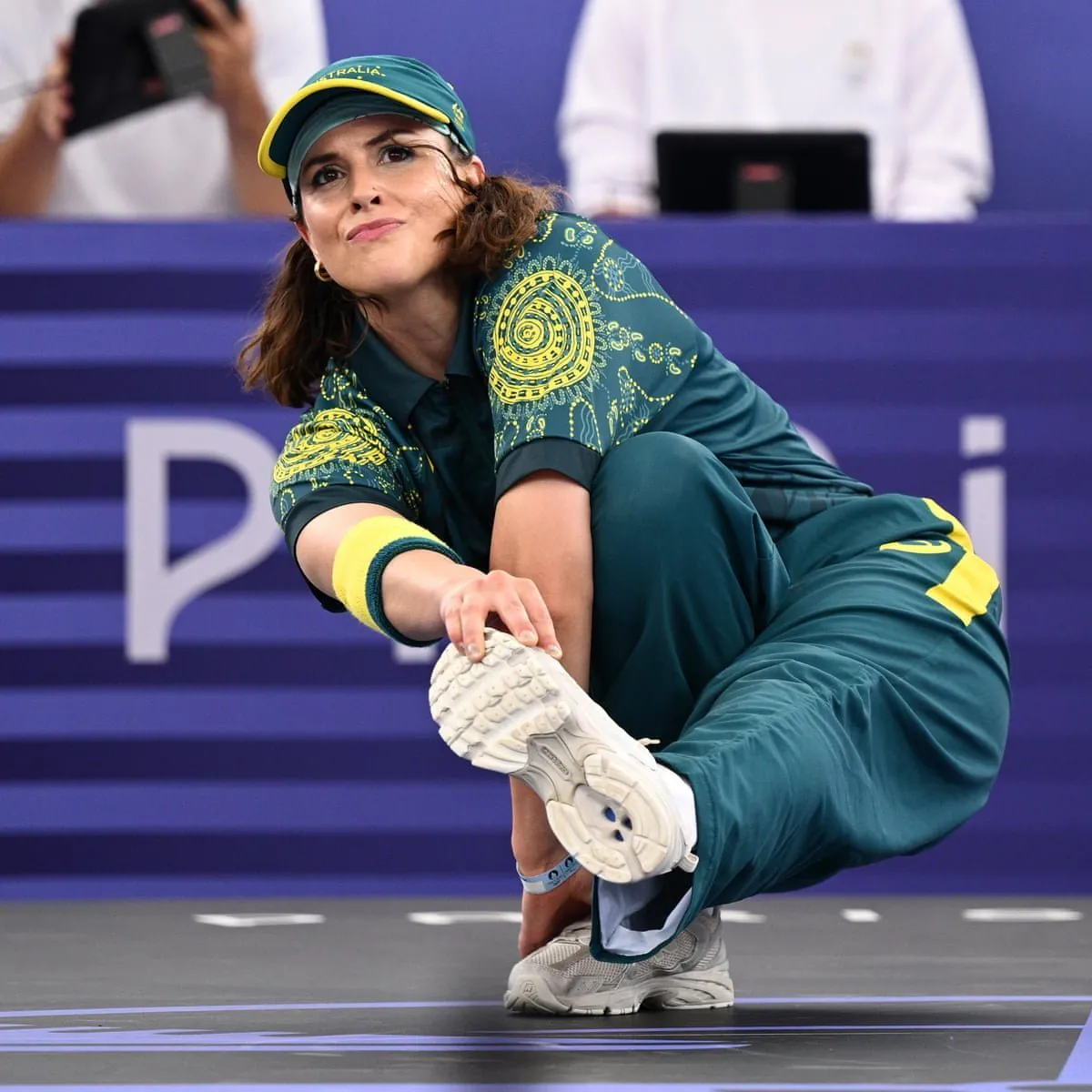
EXPOSED: The Dark Side of Olympic Ambition – How False Allegations Almost Destroyed Australian Breakdancer Rachael ‘Raygun’ Gunn
- A new Netflix documentary reveals the shocking false allegations that threatened to destroy the career of Australian breakdancer Rachael ‘Raygun’ Gunn
- Gunn was accused of cheating her way into the Paris 2024 Olympics with the help of her husband and coach, Samuel Free
- The allegations sparked a global backlash, with thousands signing a petition calling for Gunn’s removal from the Olympic team
- But the truth behind Gunn’s qualification and the devastating impact of the false allegations are now revealed in the explosive new documentary, Raygun: Breaking Badly
Rachael ‘Raygun’ Gunn’s journey to the Paris 2024 Olympics was supposed to be a triumph of hard work and dedication. But instead, it became a nightmare of false allegations, online abuse, and conspiracy theories that threatened to destroy her career and reputation.
The Australian breakdancer had qualified for the Olympics by winning the 2023 Oceania Breaking Championships, a competition featuring an international judging panel with no Australians involved.
But despite this, Gunn was accused of cheating her way into the Olympics with the help of her husband and coach, Samuel Free.
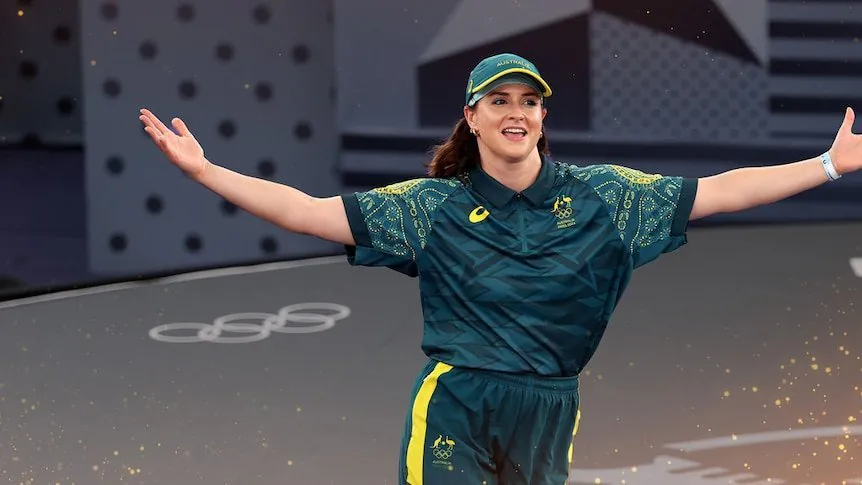
The allegations were false, but they sparked a global backlash against Gunn. Thousands signed a petition calling for her removal from the Olympic team, and she was subjected to a barrage of online abuse and memes.
The situation became so dire that Australian Olympic Committee chief executive Matt Carroll called for the petition to be removed, describing it as ‘bullying and harassment’ and ‘defamatory’.
But the truth behind Gunn’s qualification and the devastating impact of the false allegations are now revealed in the explosive new documentary, Raygun: Breaking Badly. The film, part of Netflix’s ‘Untold’ series, examines Gunn’s path to Paris, her viral routine, and the misinformation that engulfed her after the competition.
Gunn’s story is a cautionary tale about the dangers of online conspiracy theories and the devastating impact they can have on athletes and their careers.
As she reveals in the documentary, she predicted the ridicule she would face before travelling to Paris, telling her therapist that her darkest fear was having the entire world laugh at her.
That fear became a reality after her routine, featuring kangaroo-inspired movements and unconventional poses, became one of the Games’ most widely shared moments. Gunn lost all three battles 18-0, technically receiving no judges’ votes rather than zero competition points.
The memes and jokes quickly spread, but the reaction soon took a darker turn.
‘There was this frenzy. It was a growing monster,’ Gunn says in the documentary.
‘Some of the memes were funny, then the tone started to change. And it just kept getting more crazy.
I couldn’t just be a meme. Am I Rachael, or am I Raygun?’
The documentary also includes previously unseen footage from Gunn’s childhood and interviews with her parents. Her mother reveals that she never imagined her daughter becoming an Olympian, while her father bursts into laughter at the suggestion.
Gunn’s journey to the Olympics was a long and winding one. She was raised in Hornsby, in Sydney’s north, and trained in ballroom, tap, and jazz before beginning breakdancing in her mid-twenties.
She met her husband and coach, Samuel Free, at university in 2008, and he encouraged her to try breaking.
Gunn’s story is a testament to the power of hard work and dedication, but also a warning about the dangers of online conspiracy theories and the devastating impact they can have on athletes and their careers.
As security analysts say, the rise of social media has created a new landscape of risk for athletes, where a single misstep can spark a global backlash.
‘The internet can be a very unforgiving place,’ says one analyst. ‘Athletes need to be aware of the risks and take steps to protect themselves.
But they also need to be aware of the potential consequences of speaking out against false allegations.’
Analysis: What This Means for Australia
The false allegations against Rachael ‘Raygun’ Gunn have serious implications for Australia’s sporting community. The incident highlights the need for greater support and protection for athletes in the face of online abuse and conspiracy theories.
Law enforcement insiders warn that the rise of social media has created new challenges for athletes, who are increasingly vulnerable to online harassment and abuse. ‘We need to take a more proactive approach to protecting athletes online,’ says one insider.
‘This includes working with social media companies to remove false and defamatory content, and providing athletes with the support and resources they need to deal with online abuse.’
The incident also raises questions about the role of social media in shaping public opinion and the potential consequences for athletes who speak out against false allegations.
‘Social media can be a powerful tool for athletes to connect with their fans and share their stories,’ says one industry observer. ‘But it can also be a double-edged sword, amplifying false allegations and creating a toxic online environment.’
As Australia looks to the future, it’s clear that the country needs to take a more proactive approach to supporting its athletes and protecting them from online abuse.
This includes providing greater resources and support for athletes, as well as working with social media companies to create a safer and more positive online environment.