Deadly Fungal Disease Sweeps Across Queensland, Threatening Australia’s Unique Reptile Population
- A mysterious fungal disease, never before seen in Australia, is killing snakes and lizards across south-east Queensland, with experts warning it could be a “death sentence” for native reptile populations.
- Snake catchers on the Sunshine Coast report an influx of snakes with suspected infections, with one case found on a job site at Woodford, “absolutely riddled” with the fatal disease.
- Researchers suspect the disease may have originated from the illegal pet trade or domestic pets from overseas, and are racing to spread awareness and develop a treatment before it’s too late.
The Sunshine Coast in Queensland has become the epicenter of a deadly fungal disease outbreak, with snake catchers and wildlife experts sounding the alarm over the devastating impact on native reptile populations.
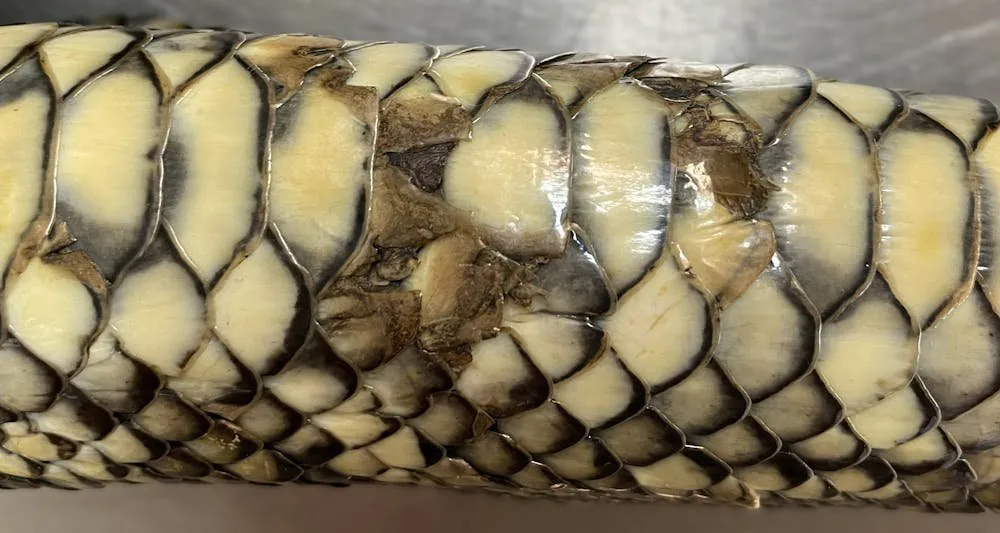
The disease, known as snake fungal disease orophidiomycosis, has been detected in a number of snakes, including a red-bellied black snake found on a job site at Woodford, which was “absolutely riddled” with the fatal disease.
Stuart McKenzie, a snake catcher with Sunshine Coast Snake Catchers, has reported an influx of snakes with suspected infections, with many showing symptoms such as yellow-brown lesions, crusty scabs, rotting scales, bleeding, unusual skin shedding, and lethargy.
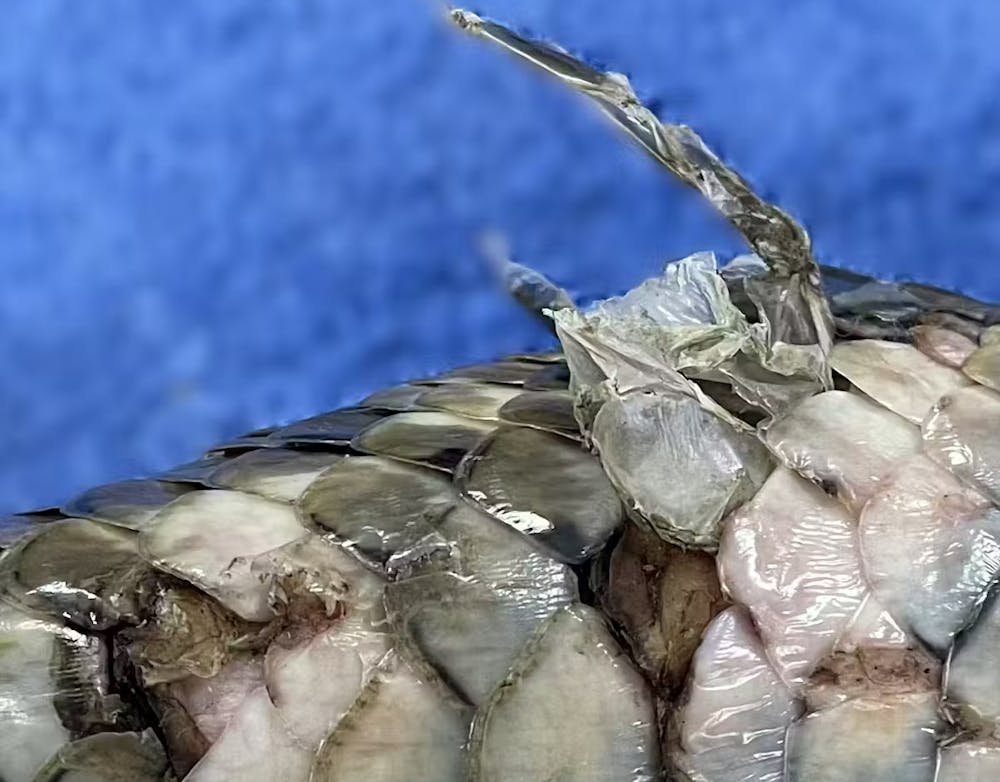
“It can be quite nasty,” he warned. “For severe cases, euthanasia is often the most humane option, but treatment can be attempted in less severe cases.”
University of Queensland wildlife veterinarian and researcher Shelly Butcher is leading the charge to understand and combat the disease.


Her team diagnosed the nation’s first reported case of snake fungal disease in an eastern bandy-bandy snake found on the Sunshine Coast two years ago, and has since recorded 10 cases, with one death and nine euthanizations.
“I haven’t successfully treated a snake and released,” she admitted. “The disease has been too severe.”
Butcher’s PhD research is focused on broadscale surveillance of the fungal disease, and she is working to spread awareness among wildlife hospitals across the country.
“We’re trying to spread the news to wildlife hospitals around the country to be testing for it because there is a possibility that it could pop up anywhere,” she said.
The disease has also been detected in bearded dragons and water dragons, highlighting the potential for widespread impact on Australian reptile populations.
The source of the disease is still unknown, but researchers suspect it may have originated from the illegal pet trade or domestic pets from overseas.
“We don’t know how widespread this disease is or the impacts it is having on wild snakes, so it’s highly risky to release an infected snake that could spread the disease further,” Butcher warned.
Analysis: What This Means for Australia
The outbreak of snake fungal disease has significant implications for Australia’s unique reptile population, which is already under threat from climate change, habitat loss, and invasive species.
“Reptiles are important ecosystem regulators; they keep pest populations in check and help to maintain healthy landscapes,” Butcher explained. “We are particularly concerned about this disease entering threatened reptile populations who are already under a lot of stress from other threats.”
Experts warn that the disease could decrease reptile numbers or, if left unchecked, even lead to extinctions. “Australia has the highest diversity of reptile species of any country, the majority of which are endemic,” Butcher said.
“We need to take action to protect these species and prevent the spread of this disease.”
Security analysts say that the outbreak highlights the need for increased biosecurity measures to prevent the introduction of exotic diseases into Australia.
“The fact that this disease has been detected in Queensland highlights the importance of having robust biosecurity protocols in place to prevent the spread of diseases,” said one expert.
Law enforcement insiders warn that the illegal pet trade is a significant threat to Australia’s wildlife, and that more needs to be done to crack down on the trade.
“The illegal pet trade is a major threat to Australia’s unique wildlife, and we need to take action to stop it,” said one insider.
As the situation continues to unfold, Queenslanders are being urged to report any sightings of unwell snakes to wildlife authorities as soon as possible. “Every case reported will help improve our chances of treating the disease to save native reptile species,” Butcher said.