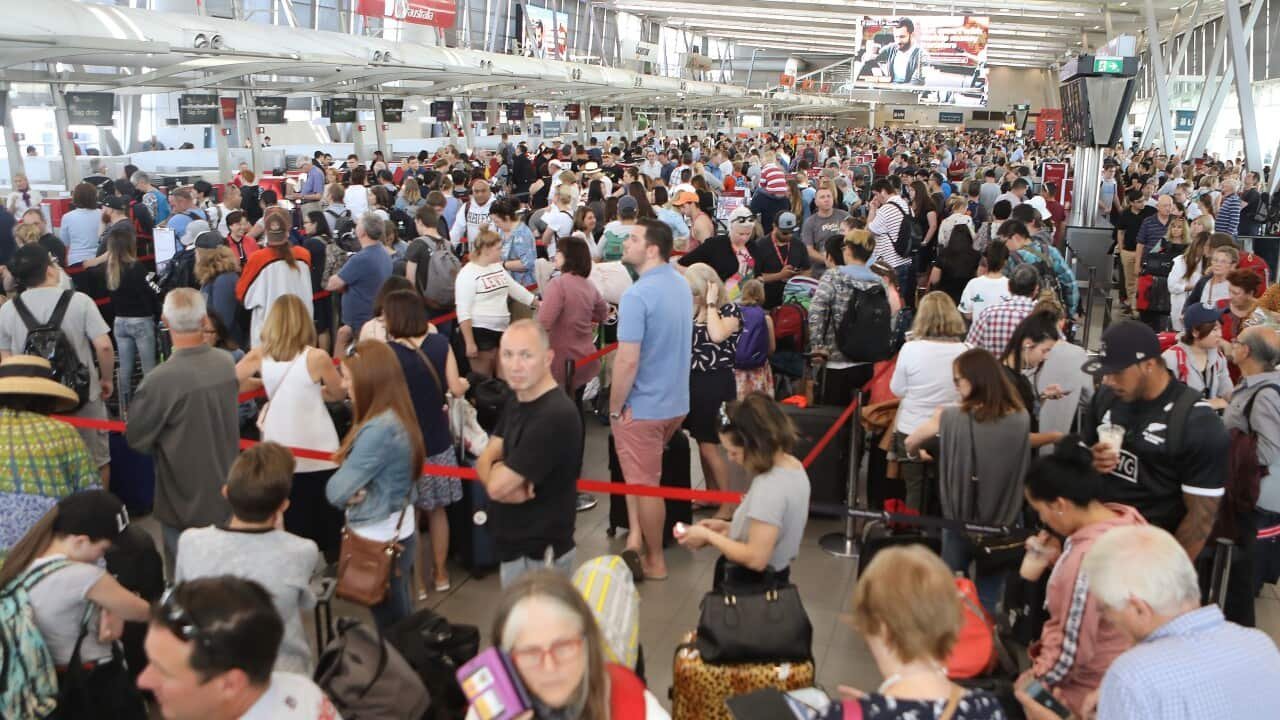
Air Safety Crisis Unfolds at Sydney Airport: ‘Multiple Lines of Defence’ Fail to Prevent Three Near-Misses in a Fortnight
- Three shocking incidents at Sydney Airport in just two weeks have raised serious concerns about air safety, with the nation’s top transport safety boss questioning the delay in reporting one of the incidents.
- A Virgin plane was cleared for take-off despite another plane crossing the runway over a kilometre away, highlighting a “multiple point of failure” in the system.
- The incidents have sparked renewed calls for change, with the Civil Air president saying there are not enough air traffic controllers in Australia, putting pressure on services.
- Prime Minister Anthony Albanese has demanded “immediate reporting of any incident” and vowed to take action following investigations.
The Australian Transport Safety Bureau (ATSB) is investigating three incidents at Sydney Airport, including a near-miss between a Virgin plane and a Qantas plane that saw the Virgin pilot cleared for take-off despite the Qantas plane crossing the runway over a kilometre away.
The incidents have raised serious concerns about air safety and the efficiency of the air traffic control system.
The ATSB chief commissioner, Angus Mitchell, has questioned the delay in reporting one of the incidents, which occurred on Sunday but was not reported to investigators until four days later.
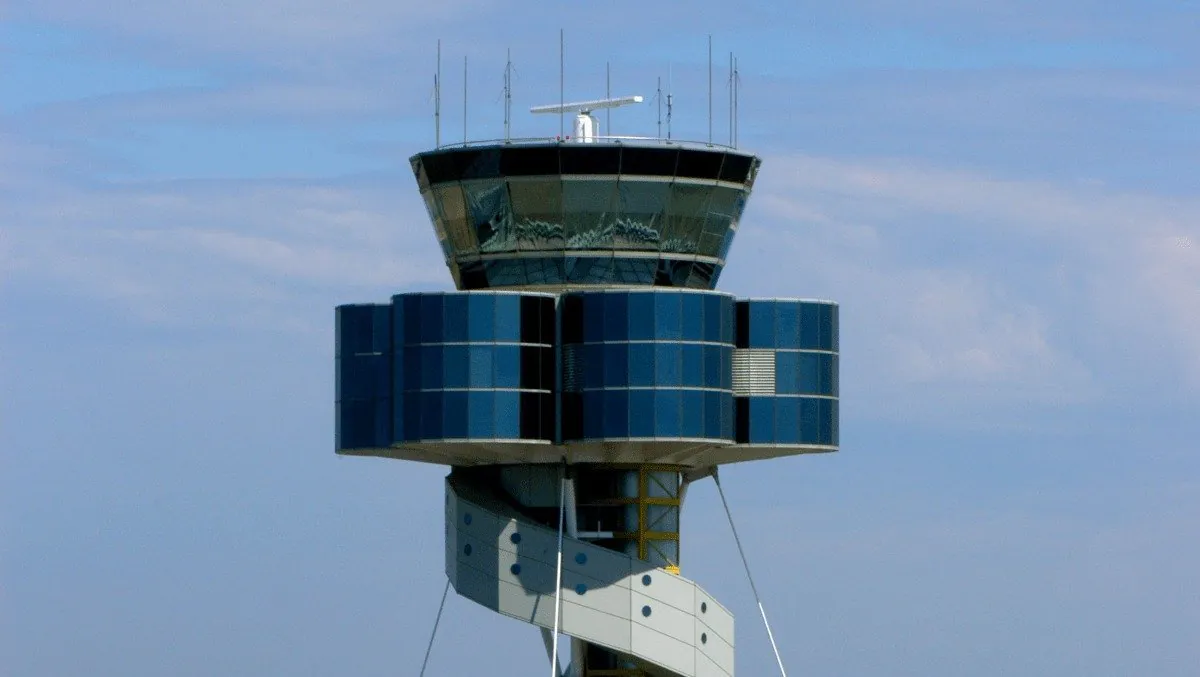
“We’re still trying to understand exactly what the delay in the reporting to us was,” Mr Mitchell said. The delay may have been caused by confusion over whether the incident was a training exercise, a claim denied by the Airservices Australia boss.
The incidents have sparked renewed calls for change, with the Civil Air president, Scott Nugent, saying there are not enough air traffic controllers in Australia, putting pressure on services.

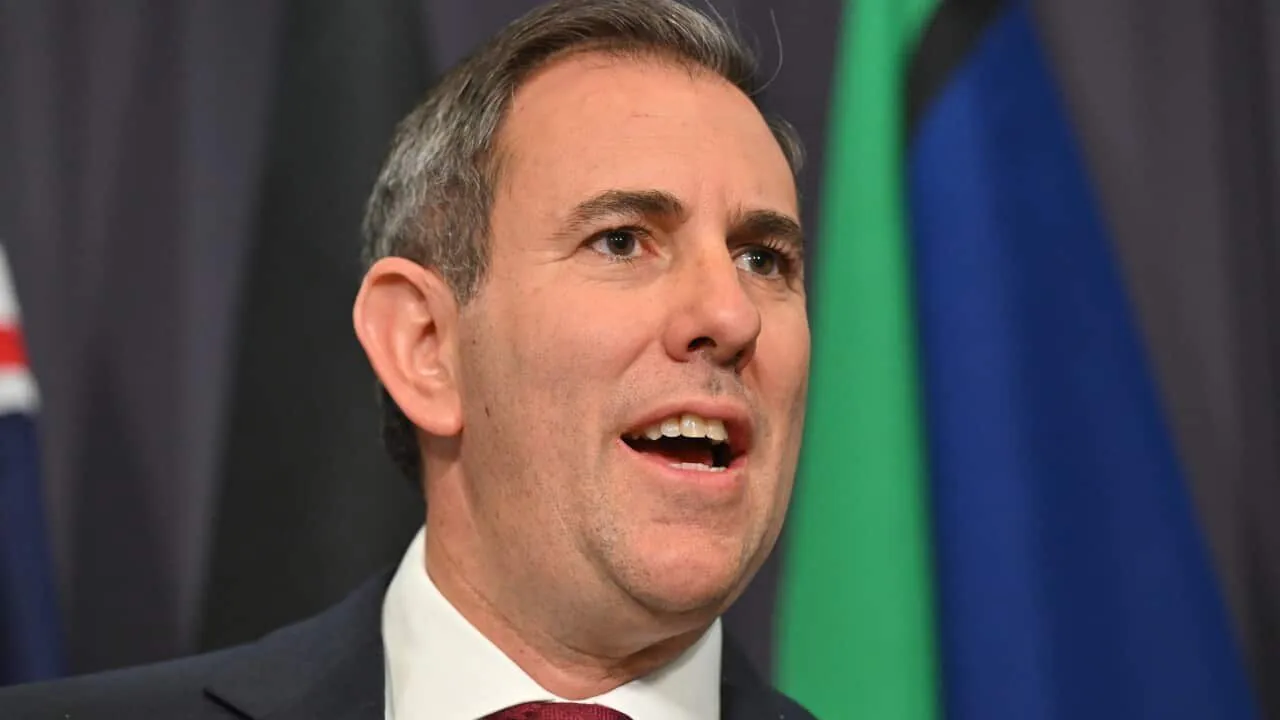


“We need more air traffic controllers to ensure the safety of our skies,” he said. The Australian government has been summoned to meet with Transport Minister Catherine King to discuss the incidents.
The ATSB is working closely with Airservices Australia to investigate the incidents and identify the causes of the near-misses. “We will work closely with the ATSB because there are some data points that need to be resolved and clarified …
we look forward to any learnings that come from that particular incident,” said Airservices Australia CEO Rob Sharp.
The incidents are a wake-up call for the air transport industry, highlighting the need for improved safety measures and more efficient communication between air traffic controllers and pilots.
The ATSB’s investigation will shed light on the causes of the incidents and identify areas for improvement.
Analysis: What This Means for Australia
The incidents at Sydney Airport have serious implications for air safety in Australia.
The fact that three near-misses occurred in just two weeks highlights a systemic problem that needs to be addressed urgently.
The delay in reporting one of the incidents raises concerns about the efficiency of the air traffic control system and the ability of the ATSB to respond quickly to incidents.
The incidents also highlight the need for improved safety measures and more efficient communication between air traffic controllers and pilots.
The use of technology, such as automatic dependent surveillance-broadcast (ADS-B) systems, can help reduce the risk of near-misses by providing real-time data on aircraft positions.
The shortage of air traffic controllers in Australia is a major concern, and the government needs to take action to address this issue.
The Australian government has been summoned to meet with Transport Minister Catherine King to discuss the incidents and identify solutions to the problems highlighted by the ATSB’s investigation.
Expert Commentary
Security analysts say that the incidents at Sydney Airport are a wake-up call for the air transport industry. “The fact that three near-misses occurred in just two weeks highlights a systemic problem that needs to be addressed urgently,” said one analyst.
“The delay in reporting one of the incidents raises concerns about the efficiency of the air traffic control system and the ability of the ATSB to respond quickly to incidents.”
Law enforcement insiders warn that the incidents could have had catastrophic consequences if they had not been prevented by the quick thinking of pilots and air traffic controllers.
“The fact that multiple lines of defence failed to prevent the near-misses highlights the need for improved safety measures and more efficient communication between air traffic controllers and pilots,” said one insider.
Industry observers believe that the incidents will lead to a major overhaul of the air traffic control system in Australia.
“The Australian government needs to take action to address the shortage of air traffic controllers and improve safety measures to prevent similar incidents from occurring in the future,” said one observer.
The Australian Transport Safety Bureau (ATSB) is investigating three incidents at Sydney Airport, including a near-miss between a Virgin plane and a Qantas plane that saw the Virgin pilot cleared for take-off despite the Qantas plane crossing the runway over a kilometre away. The incidents have raised serious concerns about air safety and the efficiency of the air traffic control system.
The ATSB chief commissioner, Angus Mitchell, has questioned the delay in reporting one of the incidents, which occurred on Sunday but was not reported to investigators until four days later. “We’re still trying to understand exactly what the delay in the reporting to us was,” Mr Mitchell said. The delay may have been caused by confusion over whether the incident was a training exercise, a claim denied by the Airservices Australia boss.
The incidents have sparked renewed calls for change, with the Civil Air president, Scott Nugent, saying there are not enough air traffic controllers in Australia, putting pressure on services. “We need more air traffic controllers to ensure the safety of our skies,” he said. The Australian government has been summoned to meet with Transport Minister Catherine King to discuss the incidents.
The ATSB is working closely with Airservices Australia to investigate the incidents and identify the causes of the near-misses. “We will work closely with the ATSB because there are some data points that need to be resolved and clarified … we look forward to any learnings that come from that particular incident,” said Airservices Australia CEO Rob Sharp.
The incidents are a wake-up call for the air transport industry, highlighting the need for improved safety measures and more efficient communication between air traffic controllers and pilots. The ATSB’s investigation will shed light on the causes of the incidents and identify areas for improvement.
Analysis: What This Means for Australia
The incidents at Sydney Airport have serious implications for air safety in Australia. The fact that three near-misses occurred in just two weeks highlights a systemic problem that needs to be addressed urgently. The delay in reporting one of the incidents raises concerns about the efficiency of the air traffic control system and the ability of the ATSB to respond quickly to incidents.
The incidents also highlight the need for improved safety measures and more efficient communication between air traffic controllers and pilots. The use of technology, such as automatic dependent surveillance-broadcast (ADS-B) systems, can help reduce the risk of near-misses by providing real-time data on aircraft positions.
The shortage of air traffic controllers in Australia is a major concern, and the government needs to take action to address this issue. The Australian government has been summoned to meet with Transport Minister Catherine King to discuss the incidents and identify solutions to the problems highlighted by the ATSB’s investigation.
Expert Commentary
Security analysts say that the incidents at Sydney Airport are a wake-up call for the air transport industry. “The fact that three near-misses occurred in just two weeks highlights a systemic problem that needs to be addressed urgently,” said one analyst. “The delay in reporting one of the incidents raises concerns about the efficiency of the air traffic control system and the ability of the ATSB to respond quickly to incidents.”
Law enforcement insiders warn that the incidents could have had catastrophic consequences if they had not been prevented by the quick thinking of pilots and air traffic controllers. “The fact that multiple lines of defence failed to prevent the near-misses highlights the need for improved safety measures and more efficient communication between air traffic controllers and pilots,” said one insider.
Industry observers believe that the incidents will lead to a major overhaul of the air traffic control system in Australia. “The Australian government needs to take action to address the shortage of air traffic controllers and improve safety measures to prevent similar incidents from occurring in the future,” said one observer.