
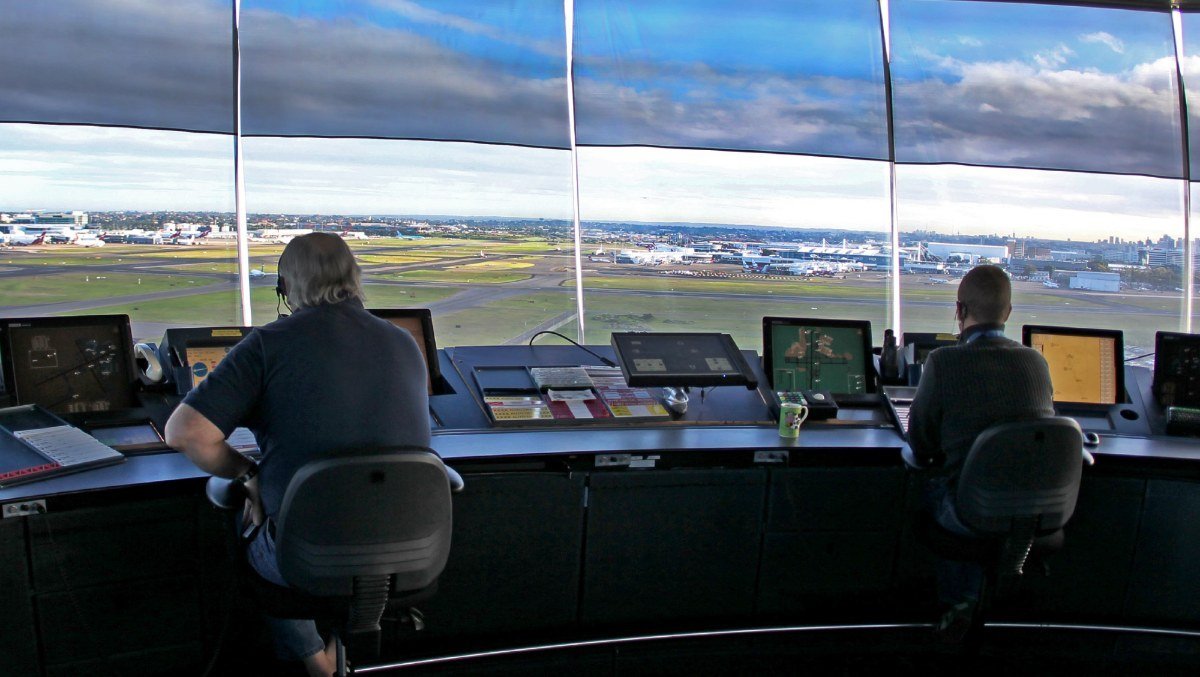
‘Safety Under Siege’: Air Traffic Control Chaos Exposed at Australia’s Busiest Airport as Near-Miss Incidents Soar
- Air traffic control blunders at Sydney Airport have sparked widespread concern after a string of near-miss incidents, including a Virgin Australia flight cleared for take-off as a Qantas plane crossed the runway.
- The shocking incident, the third in just two weeks, has raised questions about the safety of Australia’s air traffic control system and the competence of its operators.
- As the Australian Transport Safety Bureau (ATSB) launches an investigation, Airservices Australia CEO Rob Sharp has admitted to staffing and rostering challenges in Sydney, with a “highly professional, highly trained workforce” struggling to cope.
- The incidents have sparked calls for increased scrutiny of Airservices Australia’s proposed price hikes, with the ACCC seeking feedback on a plan to raise prices by an average of 15 per cent each year for five years.
The air traffic control system at Sydney Airport, one of the busiest in the world, has been thrown into chaos after a series of near-miss incidents that have left experts and passengers stunned.
The latest incident, which occurred on Sunday, saw a Virgin Australia flight cleared for take-off as a Qantas plane crossed the runway, sparking a frantic evacuation and a dramatic halt to the flight.
According to the ATSB, the Virgin crew had already applied thrust for take-off when they spotted the Qantas 737 beginning to cross the runway from taxiway Lima.
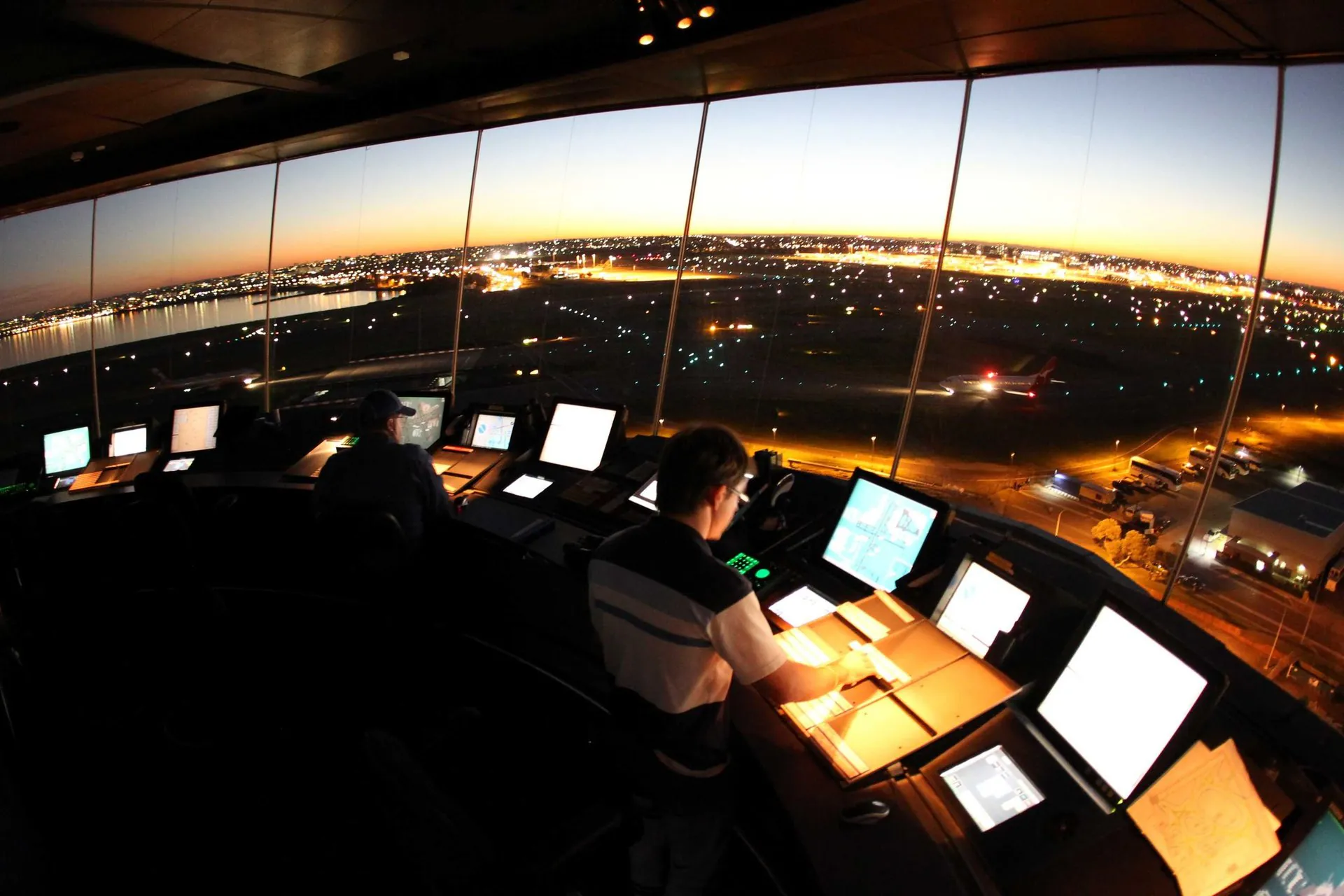
The Virgin pilots quickly reduced thrust and brought the aircraft to a stop, averting a potentially catastrophic collision. The incident has sent shockwaves through the aviation industry, with many questioning how such a critical mistake could occur.
Airservices Australia CEO Rob Sharp has moved to downplay the incident, claiming that the controllers involved were experienced and qualified, and that the clearance was immediately rescinded.
However, the ATSB’s characterization of the incident as a “near-miss” has raised eyebrows, with many experts suggesting that the incident was far more serious than initially reported.
Sharp has admitted to staffing and rostering challenges in Sydney, citing lengthy lead times to recruit and train new air traffic controllers.
The organisation has also proposed price hikes to recover the costs of providing its services and fund future investment, sparking concerns that safety may be compromised in the pursuit of profit.
Analysis: What This Means for Australia
The recent spate of near-miss incidents at Sydney Airport has significant implications for national safety and security. With air travel becoming increasingly congested, the need for robust and reliable air traffic control systems has never been more pressing.
The incidents have highlighted the need for increased scrutiny of Airservices Australia’s operations and the proposed price hikes, which could have far-reaching consequences for the aviation industry.
Security analysts say that the incidents have exposed a “safety under siege” culture at Sydney Airport, where the pressure to keep flights on schedule has compromised safety protocols.
The incidents have also raised concerns about the competence of air traffic controllers, with many questioning whether they are equipped to handle the demands of one of the world’s busiest airports.
Industry observers believe that the incidents will have significant economic and social consequences, with the potential to damage Australia’s reputation as a safe and reliable destination for air travel.
The incidents have also sparked calls for increased investment in air traffic control systems and the recruitment of more qualified and experienced controllers.
As the ATSB investigation continues, one thing is clear: the safety of Australia’s air traffic control system is under scrutiny like never before.
With the nation’s busiest airport at the center of the storm, the need for robust and reliable air traffic control systems has never been more pressing.