‘Every Hour Counts’: Desperate Search for 18-Year-Old Lilly Hooper as Australian Defence Force Joins Hunt for Missing Hiker in Treacherous Nattai National Park
- Lilly Hooper, 18, vanished while hiking alone in Nattai National Park on Wednesday, sparking a massive search effort involving police, SES, and Australian Defence Force personnel
- Police remain hopeful of finding the experienced bushwalker safe as the search enters its third day, with specialist police rescue coordinators directing the operation
- NSW Premier Chris Minns has expressed his support for the search effort, saying he is “praying for good news” as the community holds its breath for Lilly’s safe return
The disappearance of 18-year-old Lilly Hooper while hiking in Nattai National Park has sent shockwaves through the community, with a massive search effort underway to locate the missing teenager.
As the search enters its third day, police remain hopeful of finding Lilly safe, but every hour counts in the treacherous terrain of the Southern Highlands.
Lilly, an experienced bushwalker, left her home in Oakdale on Wednesday, telling her family she was going on a hike through Nattai National Park. However, when she failed to return home that evening and could not be contacted, a multi-agency search effort was launched.

The NSW Police, SES, and Australian Defence Force have joined forces to scour the rugged search area, with specialist police rescue coordinators directing the operation.
NSW Premier Chris Minns has expressed his support for the search effort, saying he is “praying for good news” as the community holds its breath for Lilly’s safe return.


“Our heart goes out to that young walker’s family,” Mr Minns said.
“We know this must be heartbreaking and incredibly anxious.” Hume Police District’s crime manager, Detective Inspector Benjamin Bowles, said Lilly’s family alerted police after she did not return home that evening, sparking the search effort.
According to Inspector Bowles, Lilly had her mobile phone with her during the hike and had messaged some family members. However, police are still working to confirm what supplies she had with her at the time of her disappearance.
Despite the concerns, Inspector Bowles said police were highly hopeful of finding Lilly safe and sound. “She is an experienced bushwalker,” he said.
“We believe she may have been walking the Bonnum Pic walking trail, which is in rugged terrain generally used by experienced bushwalkers.”
The search effort has been ongoing since Wednesday night, with search crews working tirelessly to locate Lilly.
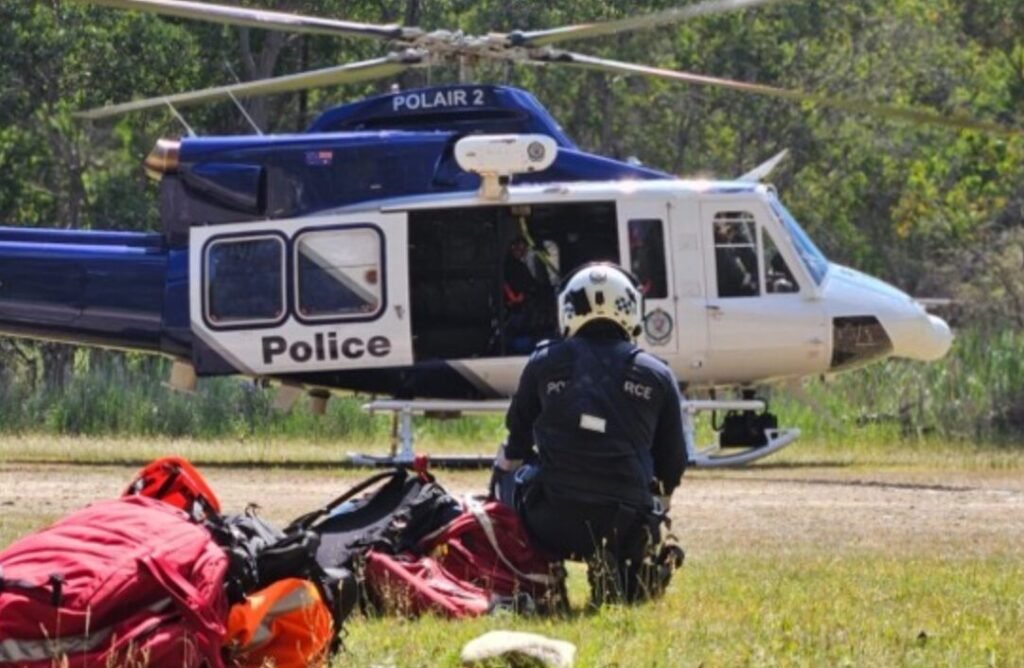
The region’s rescue helicopter has been used in the operation, while Fire and Rescue NSW and Rural Fire Service drones have also searched from the air.
Specialist NSW Police Rescue search coordinators are directing Friday’s operation, which will continue to involve air assets, trail-bike riders, SES volunteers, and other ground crews.
Inspector Bowles said there was no information to suggest Lilly’s disappearance involved foul play. Police are appealing for anyone who was walking in the area on Wednesday, particularly anyone who may have seen Lilly, to come forward.
Lilly’s family has been fully cooperative with investigators, and police are urging anyone with information to contact them immediately.
As the search for Lilly continues, police are reminding bushwalkers to carry adequate supplies, an emergency beacon or satellite phone, and to tell others their intended route.
The incident serves as a stark reminder of the importance of safety precautions when venturing into the wilderness.
Analysis: What This Means for Australia
The disappearance of Lilly Hooper highlights the risks and challenges associated with bushwalking in Australia’s rugged terrain. As the country’s population grows, so does the number of people venturing into the wilderness, increasing the risk of accidents and disappearances.
The incident raises questions about the preparedness of bushwalkers and the need for better safety measures to prevent such incidents in the future.
Security analysts say the incident underscores the importance of emergency response planning and coordination between agencies. “The quick response and coordination between police, SES, and the Australian Defence Force demonstrate the effectiveness of emergency response protocols in Australia,” said one analyst.
“However, the incident also highlights the need for continued investment in search and rescue capabilities to ensure that those venturing into the wilderness can be quickly and safely located in the event of an emergency.”
Law enforcement insiders warn that the incident is a stark reminder of the dangers of solo bushwalking and the importance of proper planning and preparation. “Bushwalkers must take responsibility for their own safety and be aware of the risks involved,” said one insider.
“Carrying adequate supplies, telling others their intended route, and having a means of communication are essential to ensuring a safe and enjoyable experience in the wilderness.”