Trump’s Shocking Plan to Seize Control of Strait of Hormuz: What It Means for Australia’s Fuel Prices and National Security
- US President Donald Trump vows to declare the Strait of Hormuz a US territory, escalating tensions with Iran and sparking fears of higher fuel prices in Australia.
- Average unleaded petrol prices in Australia remain above $2/litre, while diesel nears $2.50/litre, as global energy markets feel the pressure.
- Trump’s comments come as the US Navy reimposes a blockade on Iranian ports, and the administration offers no clear plan to wind down the war.
- Experts warn of growing political risk for Trump as higher fuel prices collide with his campaign promise to lower energy costs.
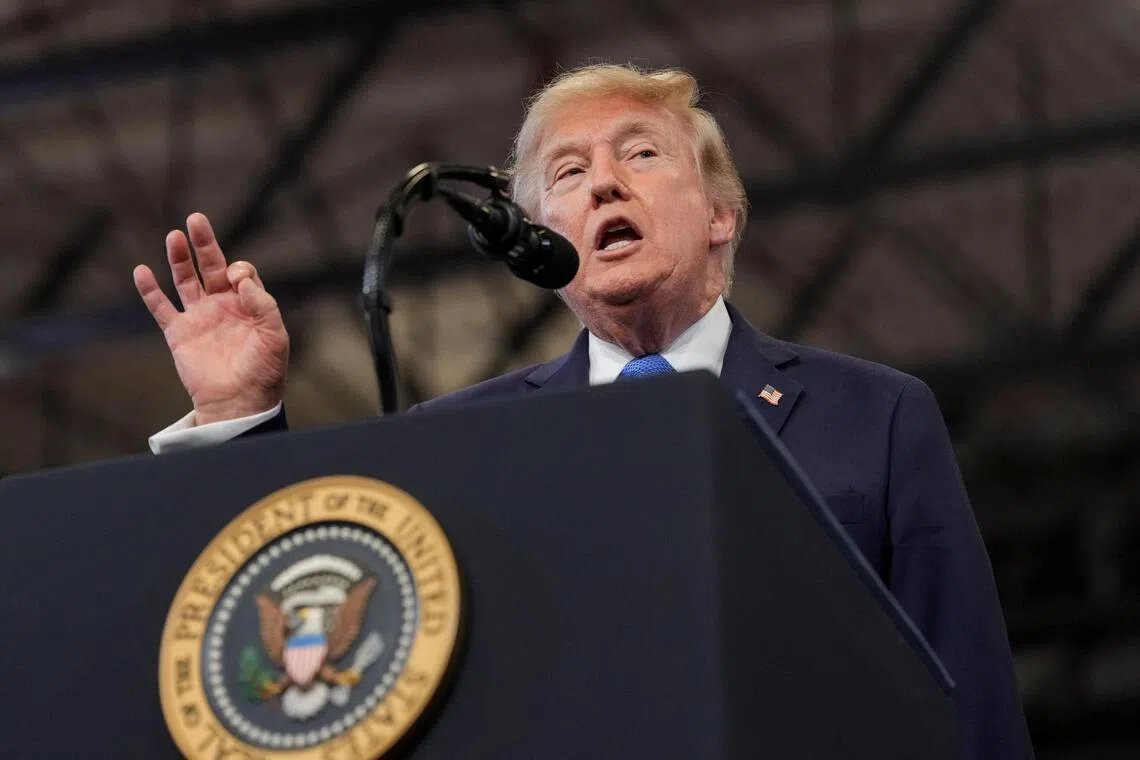
US President Donald Trump has dropped a bombshell, announcing plans to declare the Strait of Hormuz a US territory, a move that could have far-reaching consequences for Australia’s fuel prices and national security.
The Strait, a critical waterway that carries a significant share of global oil supplies, has been a flashpoint in the ongoing conflict between the US and Iran.
Trump’s comments, made during a rally in New York state, sent shockwaves through global energy markets, with Brent crude approaching $US90 a barrel. In Australia, the average price of unleaded petrol remains above $2/litre, while diesel is nearing $2.50/litre.
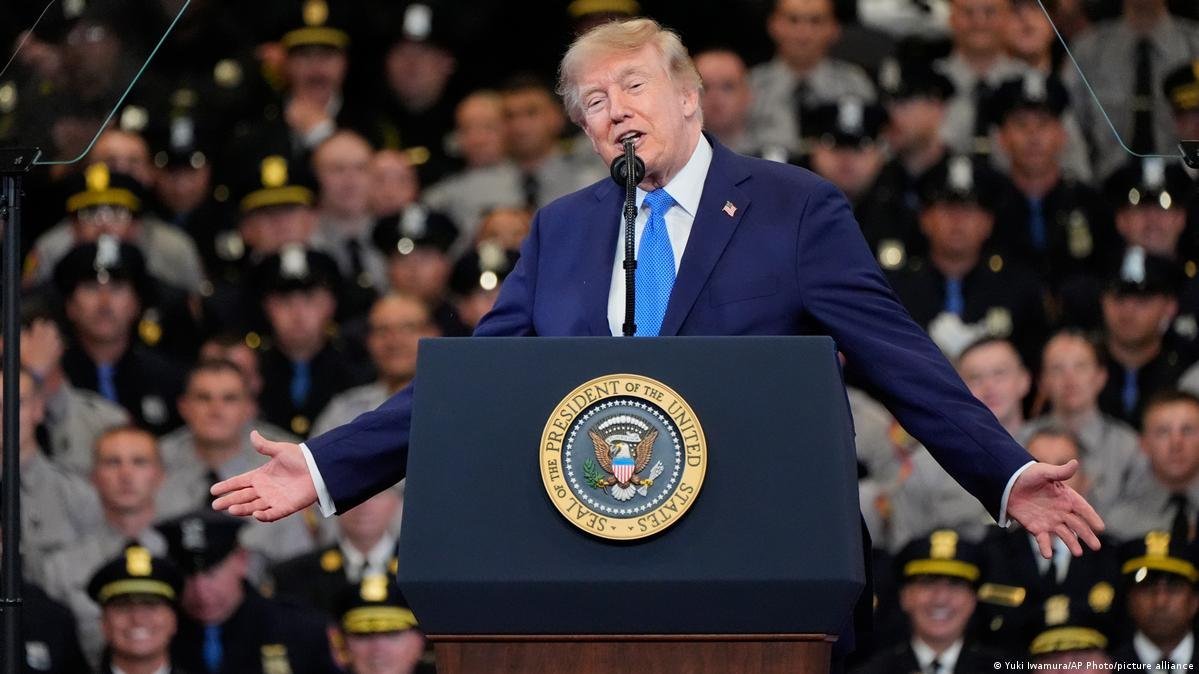
The US President urged Americans to accept paying “a tiny little bit more” for fuel, framing it as a necessary cost to prevent Iran from obtaining a nuclear weapon.
But Trump’s plan to seize control of the Strait of Hormuz has sparked concerns about the implications for Australia’s national security and fuel prices. The US Navy has reimposed a blockade on Iranian ports, and the administration has offered no clear plan to wind down the war.




This has raised fears of a prolonged conflict, which could lead to higher fuel prices and increased economic strain on Australian households.
The situation is further complicated by the growing political risk for Trump, as higher fuel prices collide with his campaign promise to lower energy costs. Democrats are already seeking to make the economic fallout from the Iran war an issue heading into the November midterm elections.
Trump’s comments have also been met with criticism from Democratic lawmakers, who argue that he is not prioritizing the welfare of US servicemembers or their families.
Analysis: What This Means for Australia
The situation in the Strait of Hormuz has significant implications for Australia’s national security and fuel prices. As a key player in the global energy market, Australia is heavily reliant on the Strait for its oil imports.
Any disruption to the flow of oil through the Strait could lead to higher fuel prices and increased economic strain on Australian households.
Furthermore, the conflict between the US and Iran has raised concerns about the stability of the region and the potential for Australia to be drawn into the conflict.
As a key ally of the US, Australia may be expected to provide military or diplomatic support, which could have significant implications for the country’s national security.
Security analysts say that the situation in the Strait of Hormuz is a perfect storm of geopolitical tensions, economic instability, and military conflict.
“The conflict between the US and Iran has the potential to escalate into a full-blown war, which could have disastrous consequences for global energy markets and Australia’s national security,” said one analyst.
Law enforcement insiders warn that the blockade of Iranian ports could lead to an increase in piracy and smuggling in the region, which could have significant implications for Australia’s border security.
“The situation in the Strait of Hormuz is a classic example of how geopolitical tensions can have far-reaching consequences for national security,” said one insider.
Industry observers believe that the conflict between the US and Iran could lead to a shift in global energy markets, with countries like Australia seeking to diversify their energy imports.
“The situation in the Strait of Hormuz is a wake-up call for countries like Australia to reduce their reliance on imported oil and invest in renewable energy sources,” said one observer.