Gender Equality in the Workplace: Australia Fails to Close the Gap as Global Progress Slows
- Australia’s progress towards gender equality in the workplace is lagging behind, with women earning an average of $1.5 million less than men over their lifetime.
- Unpaid labour, valued at $688 billion in Australia, remains overlooked and undervalued, perpetuating the gender pay gap.
- Experts warn that closing the gap will require significant cultural and legislative changes, including revaluing the skills of care work.
- Despite the Beijing Declaration’s promise of gender equality, not one country has achieved it in the past three decades.
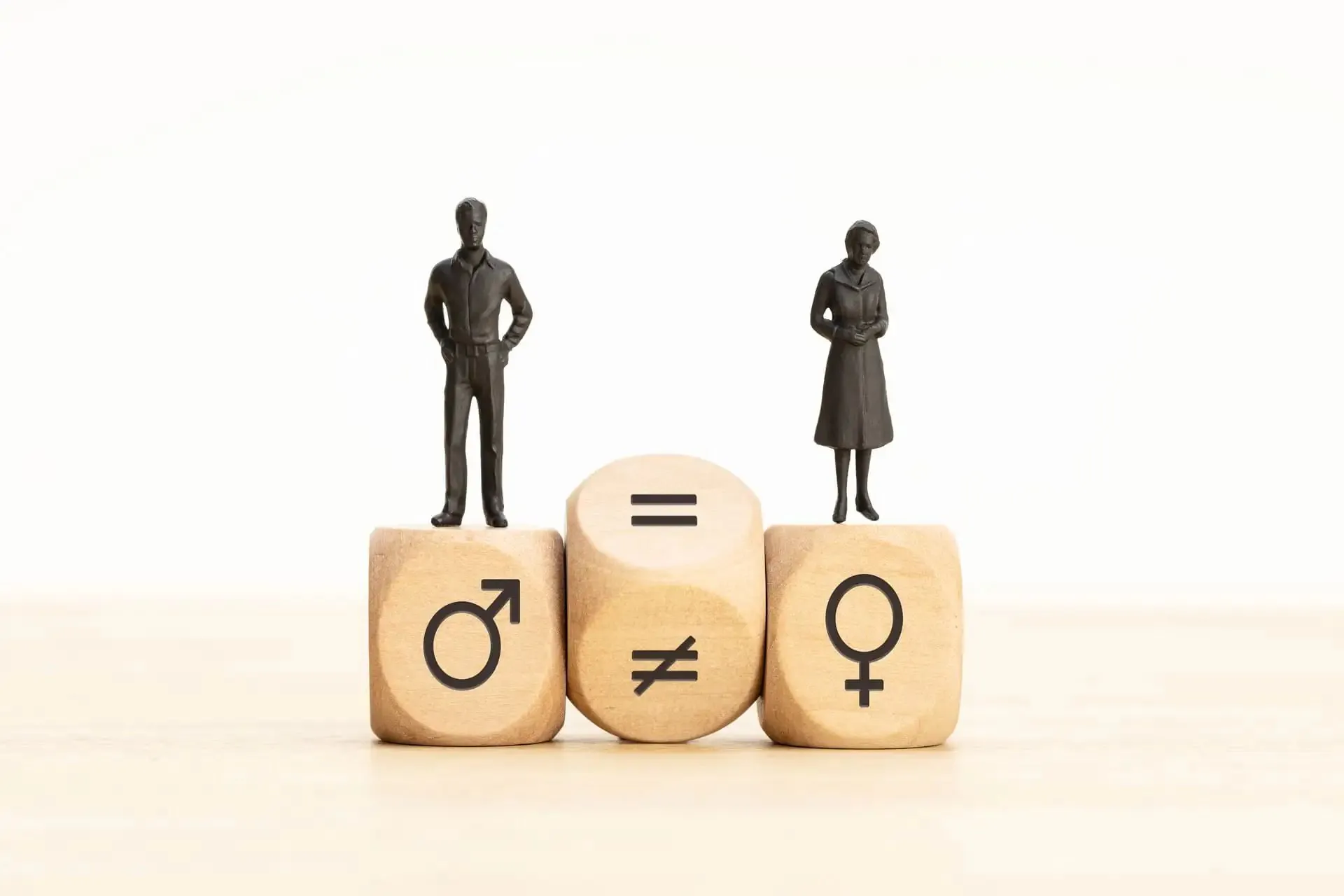
Australia’s struggle to achieve gender equality in the workplace has been laid bare in a damning global review, which reveals that progress towards closing the gap between men and women has slowed to a crawl.
The University of New South Wales (UNSW) research, which examined the past three decades since the Beijing Declaration, found that not one country has achieved true gender equality.
At the heart of the problem is the persistent undervaluing of unpaid labour, which is estimated to be worth a staggering $688 billion in Australia – roughly a third of the country’s total GDP.
This invisible workforce, comprised mainly of women, toils behind the scenes, raising children, caring for ageing parents, and supporting relatives in need, without any official recognition or compensation.
According to Honorary Associate Professor Anne Junor, the lack of recognition for care and domestic work has led to women being funneled into casual and part-time roles, exacerbating the gender pay gap.




“Beijing was a hope, and the hope has been very slow to come to fruition,” she said. “There was too much optimism about what it was going to take to change things.”
Australia’s own unique set of challenges, including a high rate of gender segregation in industries such as trades, has contributed to the country’s poor performance. Women face discrimination and harassment in these fields, starting from school-age training and vocational education, which perpetuates the cycle of underemployment and lower pay.
The consequences of this systemic inequality are far-reaching, with women earning significantly less than men over their lifetime.
The “lifecycle income gap” – the cumulative effect of lower pay and unpaid work – sees women aged 15-67 earning an average of $1.5 million less than their male counterparts.
So, what can be done to address this entrenched inequality? Experts say that a fundamental shift in culture and legislation is needed.
“We should value the contribution of unpaid work to the economy,” Junor said. “That would make a really big difference and that’s a policy change that government could make.”
This revaluation of care work would require a significant cultural shift, one that recognizes the skills and value of domestic and caregiving labour. As Junor noted, “That would drive cultural change, slowly but surely, in the formal industrial relations system.”
Analysis: What This Means for Australia
The UNSW research serves as a stark reminder of the significant work still to be done to achieve true gender equality in Australia.
The country’s failure to address the undervaluing of unpaid labour and the gender segregation in industries such as trades has far-reaching consequences for women’s economic security and independence.
Law enforcement insiders warn that the lack of recognition for care and domestic work perpetuates a cycle of poverty and inequality, which can have long-term effects on women’s health and wellbeing.
“The fact that women are earning significantly less than men over their lifetime is a ticking time bomb for the Australian economy,” said one expert.
Security analysts say that the failure to address these systemic inequalities can also have broader implications for national security, as women’s economic empowerment is critical to building resilient and stable communities.
Industry observers believe that the government must take immediate action to address these issues, including implementing policies that recognize the value of unpaid labour and promoting greater diversity and inclusion in industries such as trades.
As Australia struggles to close the gap between men and women in the workplace, it is clear that a fundamental shift in culture and legislation is needed.
The question remains: will the government take the necessary steps to address this pressing issue, or will Australia continue to lag behind in the pursuit of true gender equality?