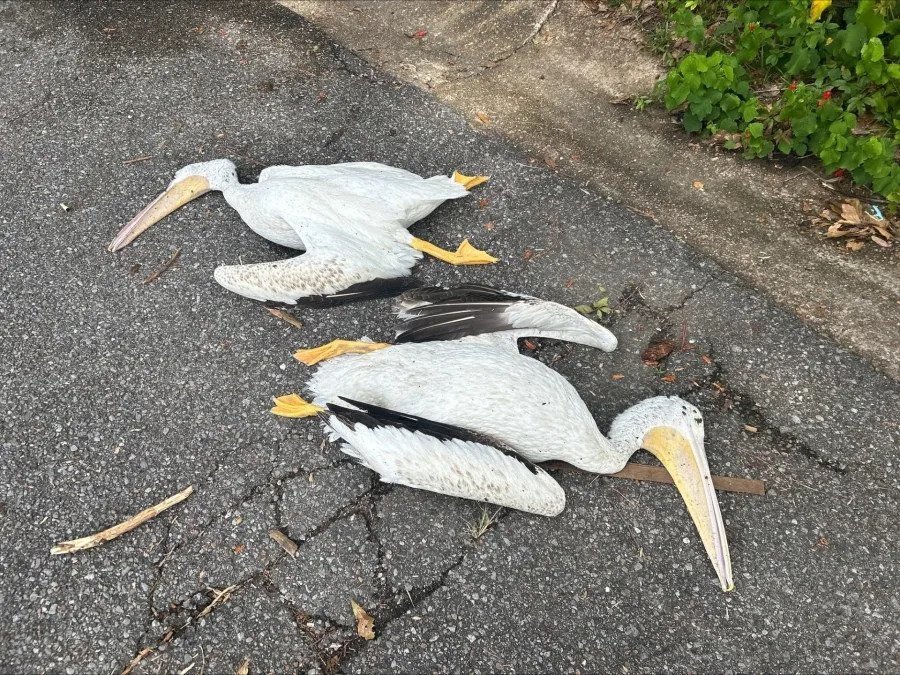
Deadly Mystery Unfolds: 400 Young Pelicans Found Dead in Outback NSW, Bird Flu Ruled Out
- A devastating discovery of 400 dead pelicans at Lake Cawndilla has left authorities and wildlife experts baffled, with the cause of death remaining a mystery.
- Bird flu, a major concern in recent weeks, has been ruled out, but the true culprit behind the mass die-off could take weeks to determine.
- The shocking find has raised concerns about the vulnerability of native species to disease, climate change, and habitat loss.
- As the investigation continues, experts are urging the public to be vigilant and report any further sightings of dead or sick birds.
The gruesome discovery of hundreds of dead pelicans at Lake Cawndilla in outback New South Wales has sent shockwaves through the community, with the cause of death still shrouded in mystery.
Ecologist Damien Cook, who stumbled upon the disturbing scene while kayaking at the Menindee Lakes, described the sight as “sickening”. “I’m an ecologist because I love nature and birds and things, and I felt sick in my stomach,” he said.
“There were basically piles of young pelicans that looked like they’d been standing around in little creches and all of a sudden just collapsed on each other, like they died quite quickly.”
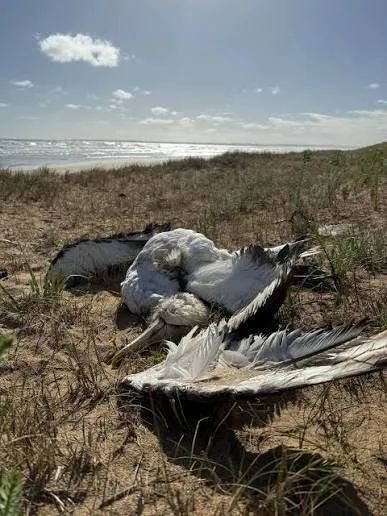
The initial fear was that the birds may have succumbed to bird flu, a highly contagious and deadly disease that has been detected in several parts of the country.
However, samples taken from the dead birds have returned negative results for H5N1 avian influenza, providing some relief for authorities. “The cause of the deaths will be investigated over the next week or fortnight,” said NSW Deputy Chief Veterinary Officer Rhys Powell.


“Obviously, it set some alarm bells ringing for us, and we kicked into gear to eliminate that as our first priority.”
While the ruling out of bird flu is a welcome development, the true cause of the mass die-off could take weeks to determine. “It’s a bit too hard to say ‘depending’, because it depends what diseases we need to exclude,” Dr.
Powell explained.
“Some tests have a very long lead time, and botulism is one of those where it can take three to four weeks to get a diagnosis.” In the meantime, a local veterinarian will conduct post-mortems on the birds to look for any markers of disease.
Analysis: What This Means for Australia
The mysterious death of the pelicans at Lake Cawndilla serves as a stark reminder of the vulnerability of native species to disease, climate change, and habitat loss.
As the investigation continues, experts are warning that the spread of bird flu remains a significant concern, particularly in coastal areas.
“Birds already are contending with climate change, they’re already contending with habitat loss, so I suppose it’s just another threat coming in at them,” said Damien Cook.
The federal government’s rollout of a vaccine against the deadly flu is a positive step, but its effectiveness in stopping the spread remains to be seen.
Security analysts say that the incident highlights the need for increased vigilance and cooperation between authorities, wildlife experts, and the public in monitoring and responding to disease outbreaks.
“The fact that bird flu has been detected in several parts of the country means that we need to be on high alert and take all necessary precautions to prevent its spread,” said a spokesperson for the Australian Veterinary Association.
Meanwhile, the public is being urged to report any sightings of dead or sick birds to the Emergency Animal Disease Hotline on 1800 675 888.
Expert commentary suggests that the incident may have broader implications for the country’s ecosystem and biodiversity.
“The loss of any native species can have a ripple effect throughout the ecosystem, so it’s essential that we get to the bottom of what happened at Lake Cawndilla,” said a spokesperson for Birdlife Australia.
As the investigation continues, one thing is clear: the fate of Australia’s native wildlife hangs in the balance, and it’s up to us to protect it.