Politicians Under Siege: The Alarming Rise of Threats and Violence Against Australia’s Elected Representatives
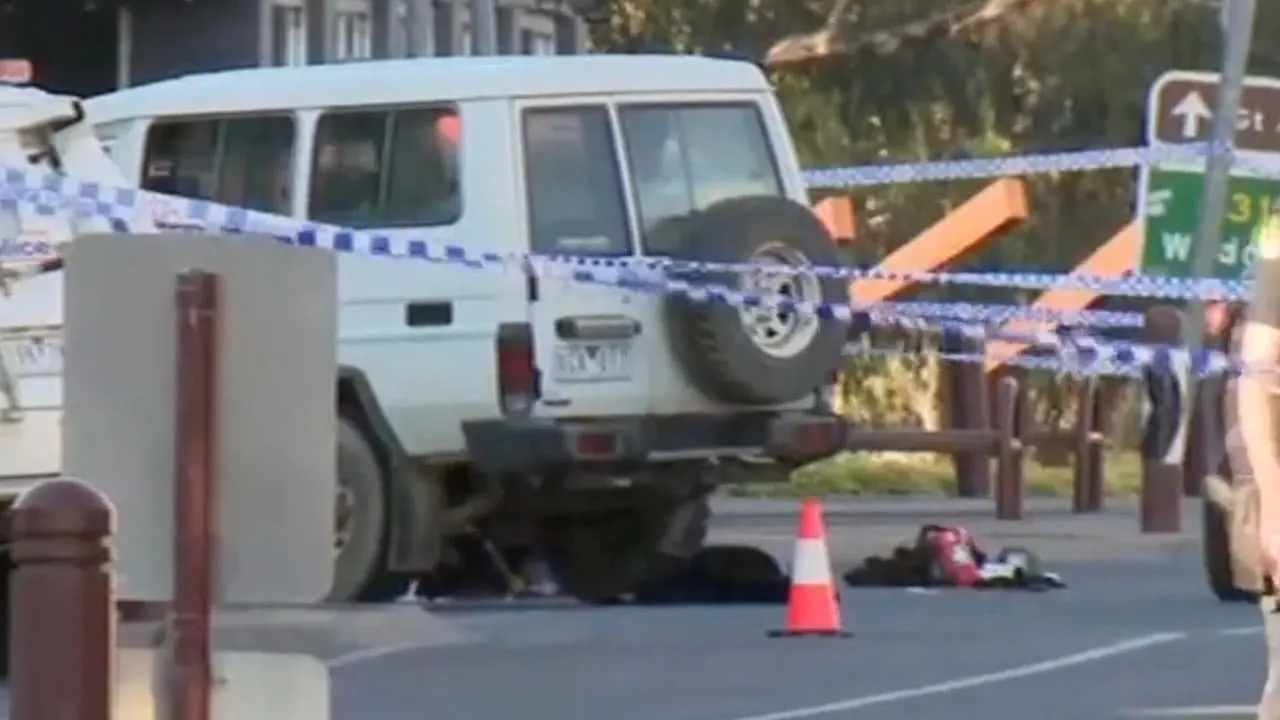
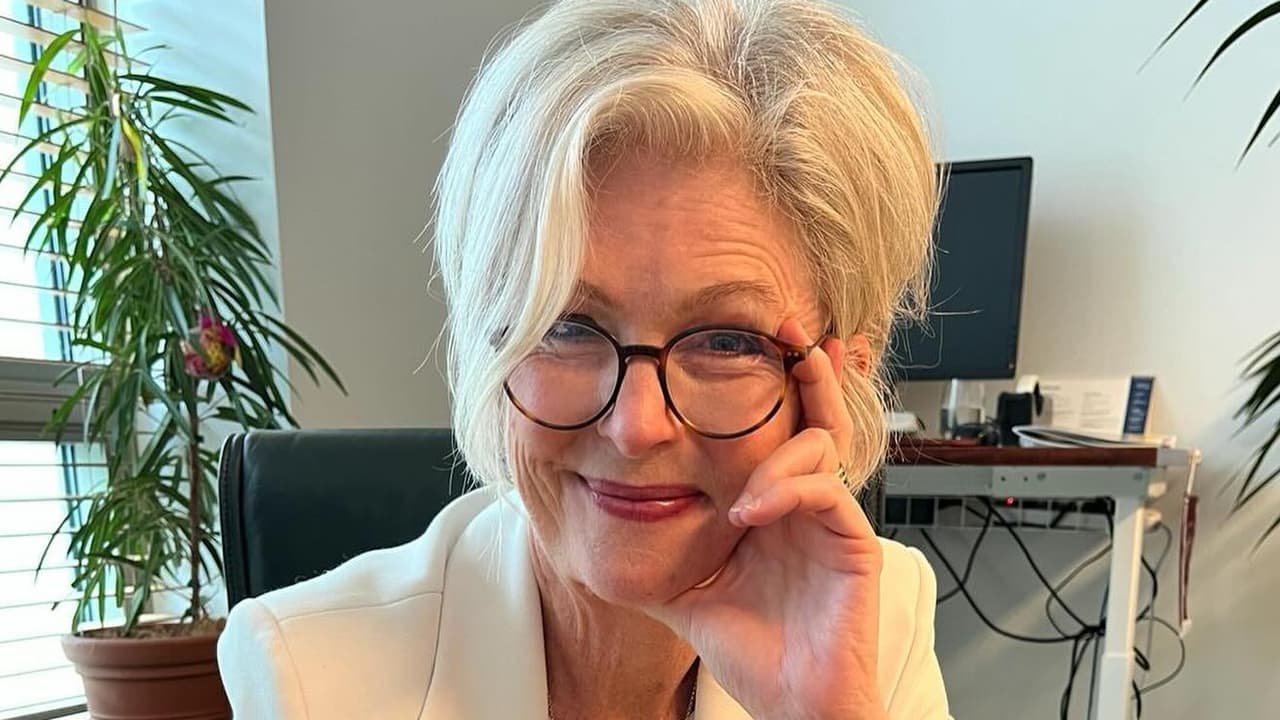
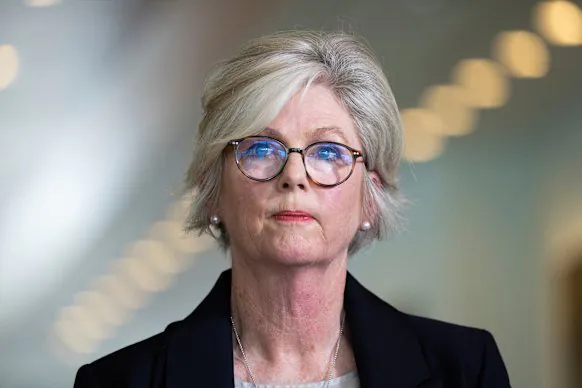
- Western Australian politicians are speaking out about the escalating threats and violence they face, following a shocking attack on federal independent MP Helen Haines in Victoria.
- The incident has sparked widespread concern about the safety of MPs and their staff, with many calling for a comprehensive review of security measures and a crackdown on online hate speech.
- Experts warn that the increasingly toxic political landscape, fueled by social media, is having a devastating impact on the mental health and well-being of public figures and their families.
- As the nation grapples with the consequences of this alarming trend, one thing is clear: the safety and security of Australia’s elected representatives is under threat like never before.
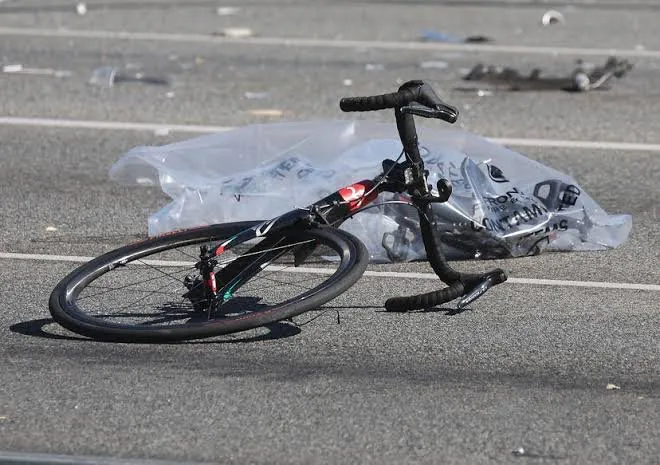
The attack on Helen Haines, which resulted in the loss of her leg, has sent shockwaves through the political community, with many MPs and staff members expressing deep concern about their own safety.
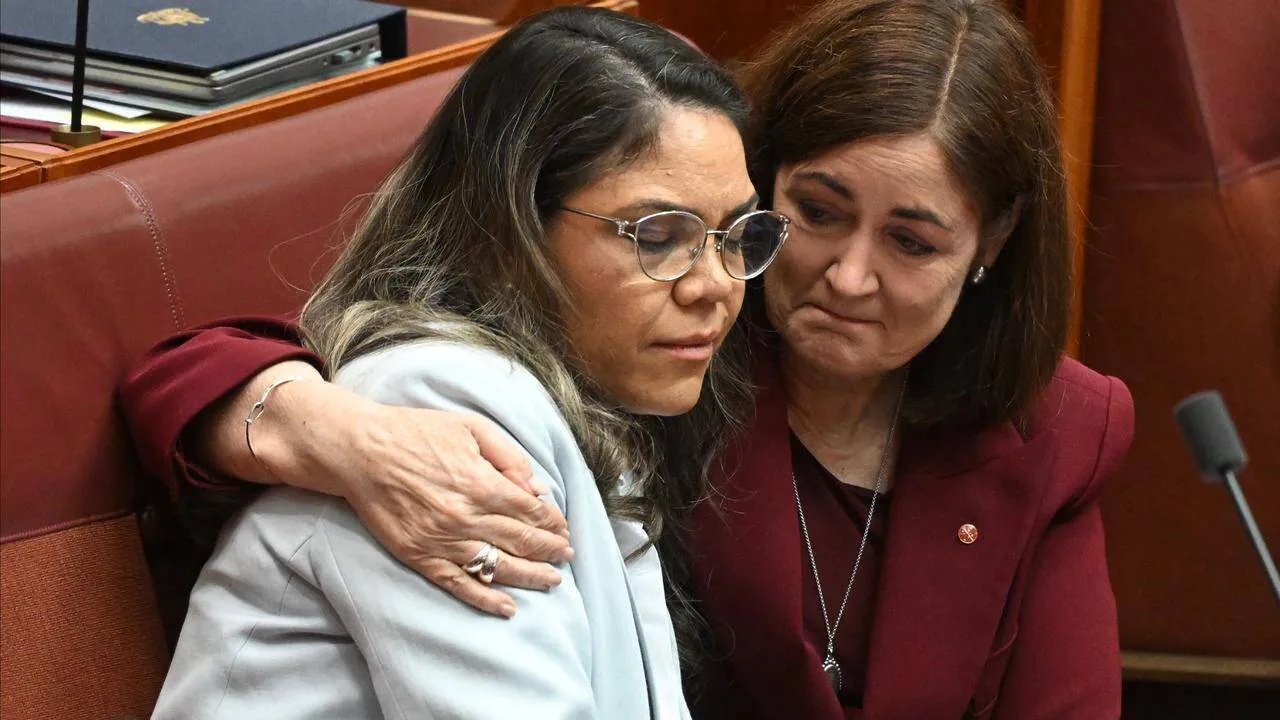
Nationals MP Lachlan Hunter, who has two electorate offices in Western Australia, said he was worried about the “dire consequences” of the escalating threat level, particularly for his staff, who are often alone in the offices.
“I’ve got one office in the eastern part of my electorate that doesn’t even have security cameras,” he revealed, highlighting the urgent need for a state-wide review of security measures.
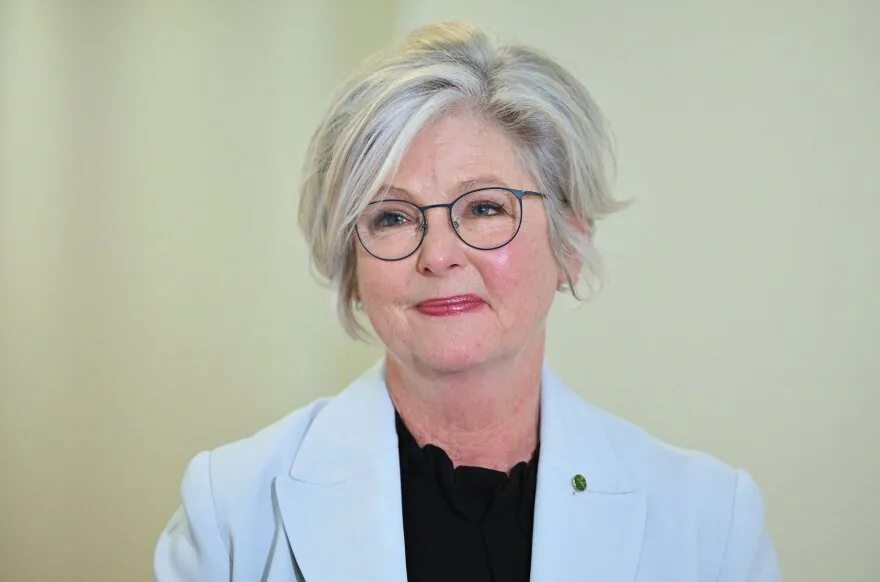
The incident has also sparked a heated debate about the role of social media in fueling the rise of online hate speech and violence. Police Minister Reece Whitby and Housing Minister John Carey both pointed to social media platforms as a key driver of the problem, with Mr.
Carey revealing that he is regularly subjected to vile and abusive language online, including being called a pedophile.
“There wouldn’t be a week that goes by that I’m not called something disgusting,” he said, adding that social media companies are not doing enough to regulate content and protect public figures from abuse.
As the situation continues to unfold, it is clear that the attack on Helen Haines is not an isolated incident, but rather a symptom of a broader problem.
In February, a 20-year-old man was charged with planning an attack on Western Australia’s parliament, police headquarters, and Muslim places of worship, highlighting the very real threat of violence that public figures and institutions face.
The question on everyone’s mind is: what can be done to prevent such attacks and ensure the safety of Australia’s elected representatives?
According to security analysts, the key to addressing this issue lies in a multi-faceted approach that includes improved security measures, increased funding for mental health support, and a crackdown on online hate speech.
“The rise of social media has created a perfect storm of toxicity and violence,” said one expert, who wished to remain anonymous. “We need to take a zero-tolerance approach to online abuse and ensure that those who engage in it are held accountable for their actions.”
Analysis: What This Means for Australia
The attack on Helen Haines and the subsequent debate about the safety of public figures has significant implications for Australia’s national security, law enforcement, and community well-being.
As the country grapples with the consequences of this alarming trend, it is clear that a comprehensive and coordinated approach is needed to address the root causes of the problem.
This includes investing in improved security measures, such as CCTV cameras and security personnel, as well as providing support and resources for public figures and their families who are affected by online hate speech and violence.
Law enforcement insiders warn that the rise of online hate speech and violence is not only a threat to public figures but also to the broader community.
“The proliferation of online abuse and violence has the potential to radicalize individuals and inspire them to carry out attacks,” said one expert. “We need to take a proactive approach to identifying and addressing these threats before they escalate into violence.”
Security analysts say that the Australian government must take a leadership role in addressing this issue, including working with social media companies to regulate content and prevent the spread of online hate speech.
“The government has a responsibility to protect its citizens, including public figures, from harm,” said one expert.
“This includes investing in improved security measures, providing support and resources for those affected by online abuse, and working with social media companies to prevent the spread of hate speech and violence.”
As the nation moves forward, it is clear that the safety and security of Australia’s elected representatives is a critical issue that requires urgent attention.
By working together to address the root causes of this problem, we can create a safer and more supportive environment for public figures and their families, and ensure that they can carry out their duties without fear of violence or intimidation.
national security law enforcement social media regulation
Experts believe that the solution to this problem lies in a combination of technological and social measures.
“We need to develop more effective tools for monitoring and regulating online content, as well as providing support and resources for public figures and their families who are affected by online hate speech and violence,” said one expert.
Australian Federal Police Australian Institute of Criminology
In conclusion, the attack on Helen Haines is a wake-up call for Australia, highlighting the urgent need for action to address the rising threats and violence against public figures.
By working together to address the root causes of this problem, we can create a safer and more supportive environment for public figures and their families, and ensure that they can carry out their duties without fear of violence or intimidation.
community safety mental health support