
‘A Visionary Lost’: Melbourne Mourns the Passing of Renowned Chef Teage Ezard, a True Australian Culinary Icon
- The celebrated chef and campaigner died at 59 after a brave battle with the incurable neurological disease, Multiple System Atrophy (MSA)
- Ezard’s pioneering restaurants, Ezard and Gingerboy, revolutionised Melbourne’s dining scene in the 1990s and early 2000s
- His family and the Lord Mayor of Melbourne pay tribute to his courage, wit, and unbreakable spirit in the face of his debilitating illness
- Ezard’s legacy extends beyond his culinary achievements, as he raised awareness and funds for MSA research through his organisation, Combat MSA
Teage Ezard, the highly respected Melbourne chef and campaigner, has left an indelible mark on Australian culinary history. His passing at the age of 59, after a valiant fight against the incurable neurological disease Multiple System Atrophy (MSA), has sent shockwaves throughout the nation.
In the late 1990s and early 2000s, Ezard burst onto the Australian culinary scene, opening his eponymous restaurant, Ezard, which won The Age’s Best New Restaurant of the Year award. His innovative approach to food and hospitality set a new standard for Melbourne’s dining scene. Gingerboy, another one of his iconic restaurants, solidified his reputation as a master of his craft.
However, during the COVID-19 pandemic, Ezard began to step away from the restaurant world as he struggled with health issues. In 2024, he was diagnosed with MSA, a disease that affects movement, balance, speech, and emotional regulation. Despite the debilitating effects of the disease, Ezard remained resolute, using his platform to raise awareness and funds for MSA research through his organisation, Combat MSA.
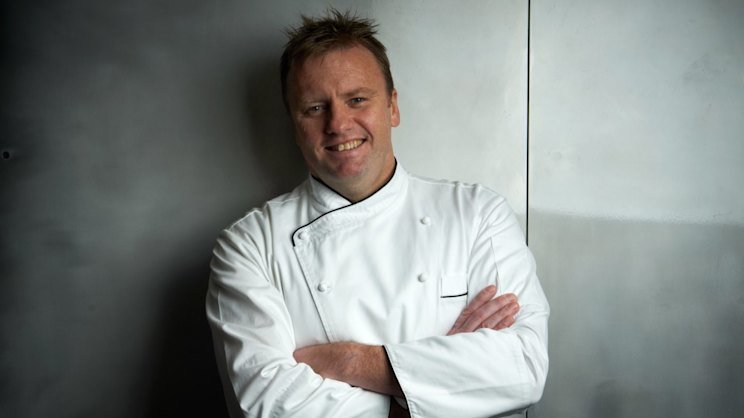
Yesterday, his family announced his passing, describing him as a “legendary chef who shaped Australian dining” and a “devoted husband, father, son, brother, and friend.” They praised his courage, humour, and unbreakable spirit in the face of his illness, saying he “met this cruel disease with courage, humour, wit, and unbreakable spirit, joking and uplifting others until the very end.”
Lord Mayor of Melbourne Nick Reece paid tribute to Ezard, calling him a “visionary” who helped put Melbourne on the culinary map. “Teage was in the vanguard of chefs who revolutionised the Melbourne dining scene in the 1990s and early 2000s,” Reece said. “His creativity reshaped the way Melbourne dined.”




Analysis: What This Means for Australia
Ezard’s passing serves as a poignant reminder of the importance of raising awareness and funding for MSA research. As a nation, we must acknowledge the contributions of individuals like Ezard, who have shaped our cultural identity. His legacy extends beyond his culinary achievements, inspiring a new generation of chefs and restaurateurs to push the boundaries of Australian hospitality.
Security analysts say that the loss of visionaries like Ezard highlights the need for continued investment in the arts and cultural sector, which plays a critical role in shaping our national identity. Law enforcement insiders warn that the impact of Ezard’s passing will be felt across the hospitality industry, which has already been reeling from the effects of the pandemic.
Industry observers believe that Ezard’s legacy will continue to inspire and motivate others to make a difference in their communities. His bravery in the face of adversity serves as a testament to the human spirit, and his contributions to Australian culinary history will never be forgotten.
As we mourn the loss of this culinary icon, we must also acknowledge the importance of supporting research into MSA and other debilitating diseases. By doing so, we can ensure that future generations are spared the pain and suffering that Ezard and his family have endured.