Wife and Accomplices of Cop-Killer Dezi Freeman Cleared of Obstruction Charges as Police Admit Insufficient Evidence
- Dezi Freeman’s wife Amalia and two others will not face charges over the hunt for the alleged cop-killer
- Police found insufficient evidence to support a prosecution despite a “meticulous investigation”
- The decision comes six months after two police officers were fatally shot and another was wounded in Porepunkah
- A $1 million reward remains in place for information leading to Dezi Freeman’s arrest, with police believing he may be dead
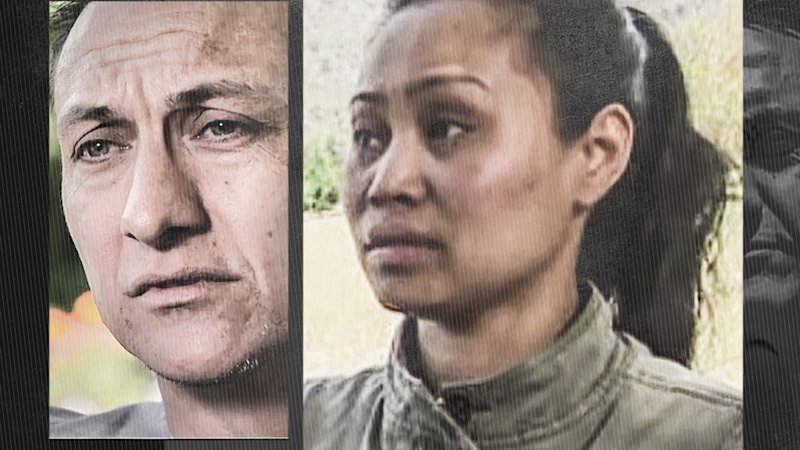
The wife of accused cop-killer Dezi Freeman, Amalia, and two others who were probed over the hunt for the fugitive, will not face charges due to insufficient evidence. The decision comes as a shock to many, six months after two police officers were fatally shot and another was wounded in Porepunkah.
Dezi Freeman, 42, allegedly opened fire on police officers on a Porepunkah property on August 26, killing Detective Leading Senior Constable Neal Thompson and Senior Constable Vadim De Waart-Hottart. A third officer was seriously injured in the attack. Freeman fled into surrounding bushland and has not been seen since, with police announcing last month that they “strongly believe” he may be dead.
Amalia Freeman, 42, was arrested days after the shooting, along with a 56-year-old Porepunkah man, and a third person was questioned over attempted theft. However, despite briefs of evidence prepared by detectives after a “meticulous investigation”, there was insufficient evidence to lay charges against the trio, police announced today.
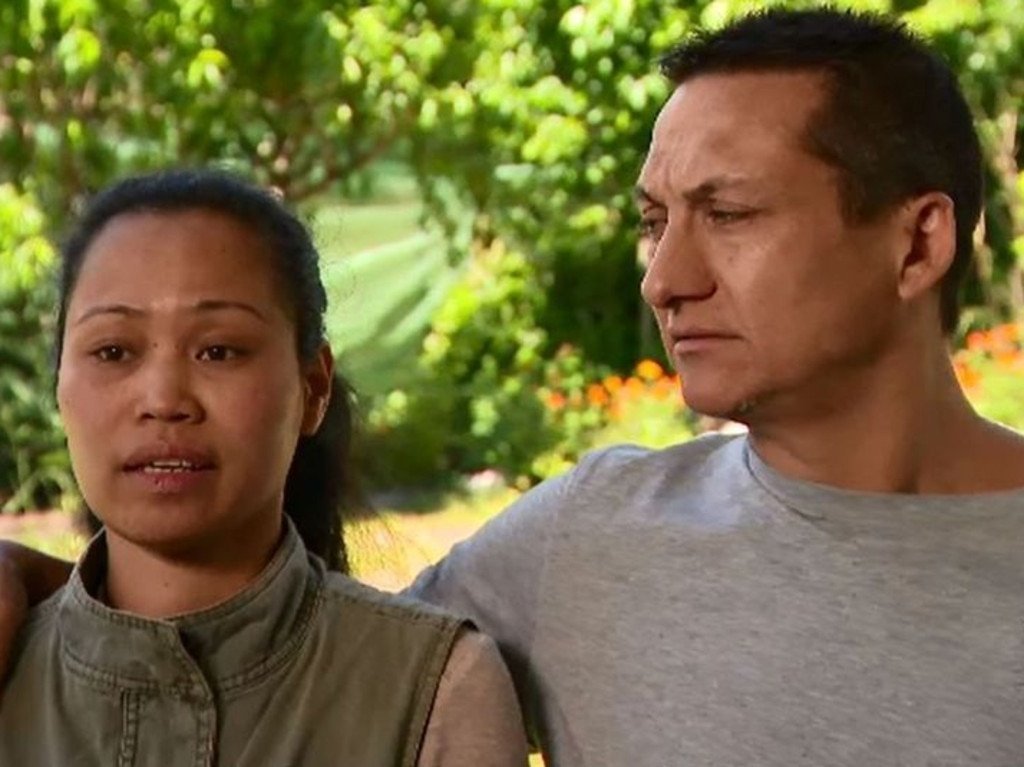
“These briefs were subsequently not authorised due to there being insufficient evidence to support a prosecution at this time,” a Victoria Police spokesperson said. “Those briefs were independently reviewed, and the same outcome was reached.”
The news raises questions about the investigation and the decision-making process of the Victoria Police. Security analysts say that the lack of charges against Amalia Freeman and the others may indicate a failure in the police’s ability to gather sufficient evidence, potentially due to a lack of resources or ineffective investigation strategies.
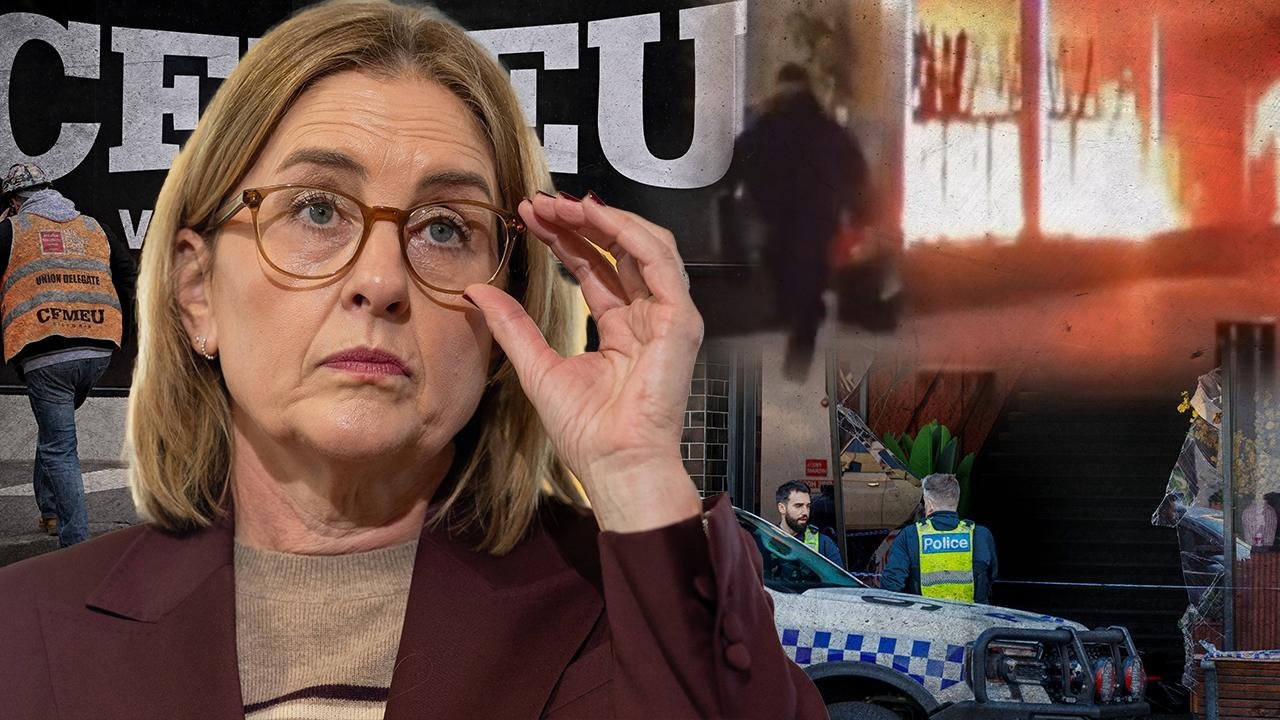

Law enforcement insiders warn that the inability to bring charges against those involved in the hunt for Dezi Freeman may embolden others to aid and abet fugitives, potentially putting the community at risk. Industry observers believe that the decision may also undermine public trust in the police force and its ability to bring criminals to justice.
Analysis: What This Means for Australia
The decision not to charge Amalia Freeman and the others has significant implications for national security and law enforcement in Australia. It raises concerns about the ability of the police to effectively investigate and prosecute crimes, particularly those involving high-risk individuals like Dezi Freeman. The community impact is also significant, as the lack of charges may be seen as a failure to hold those involved accountable for their actions.
The economic and social consequences of this decision are also far-reaching. The inability to bring charges against those involved in the hunt for Dezi Freeman may lead to a decrease in public trust in the police force, potentially resulting in a decrease in cooperation and a rise in crime rates. Furthermore, the decision may also have a negative impact on the economy, as businesses and individuals may become less likely to invest in areas with perceived high crime rates.