Mafia-Style Cartel Tightens Grip on Melbourne as Tobacco Wars Rage On: Is Victoria’s Government Doing Enough to Stop the Chaos?
- A former police detective slams the Victorian Government’s reported plans for an organised crime agency as a “political stunt” that fails to address the real issues.
- Melbourne’s escalating tobacco and alcohol wars have authorities warning that almost any business could be at risk of being targeted by the mafia-like cartel.
- Experts say the cartel’s grip on the city is tightening, with the group allegedly issuing chilling threats and continuing to extort money from businesses.
- Victoria’s police chief is calling for more powers to tackle organised crime, but critics argue that the government is not doing enough to support law enforcement.
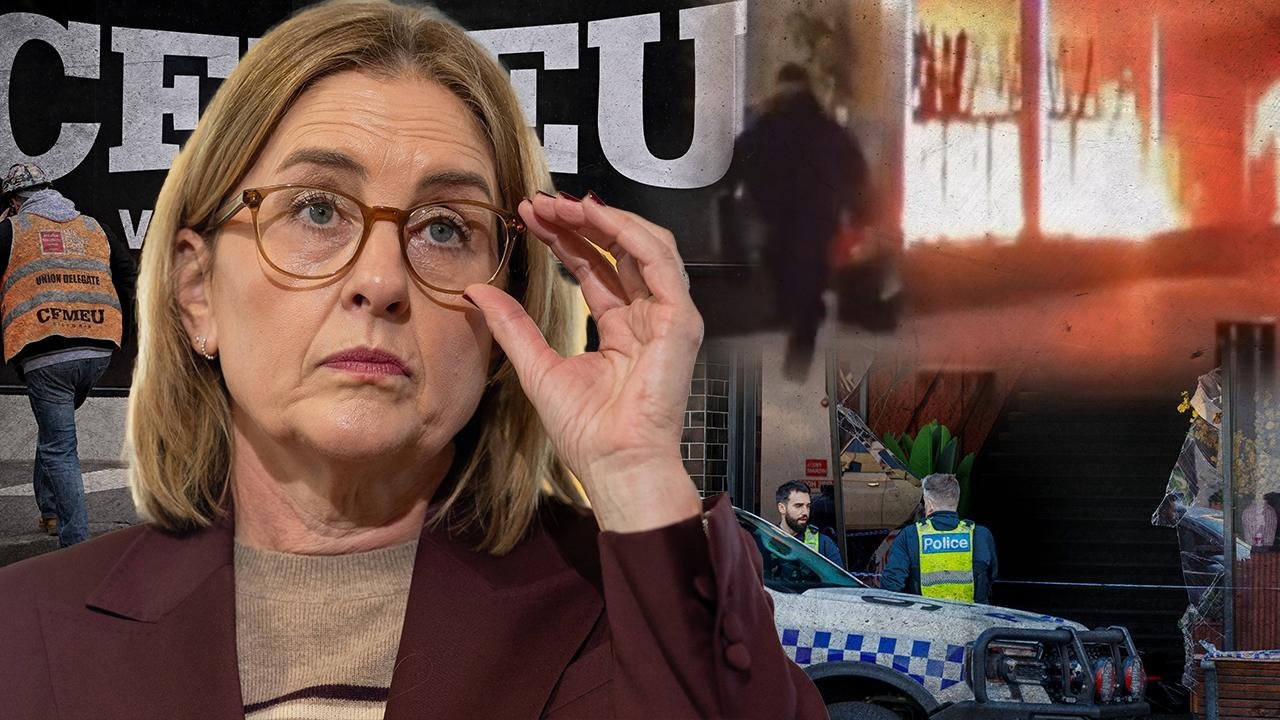
The streets of Melbourne are abuzz with the sound of gunfire and the smell of burning buildings as a mafia-like cartel tightens its grip on the city.
The tobacco and alcohol wars that have been raging for months show no signs of slowing down, and authorities are warning that almost any business could be at risk of being targeted.
But as the situation spirals out of control, a former police detective has slammed the Victorian Government’s reported plans for an organised crime agency as a “political stunt” that fails to address the real issues.
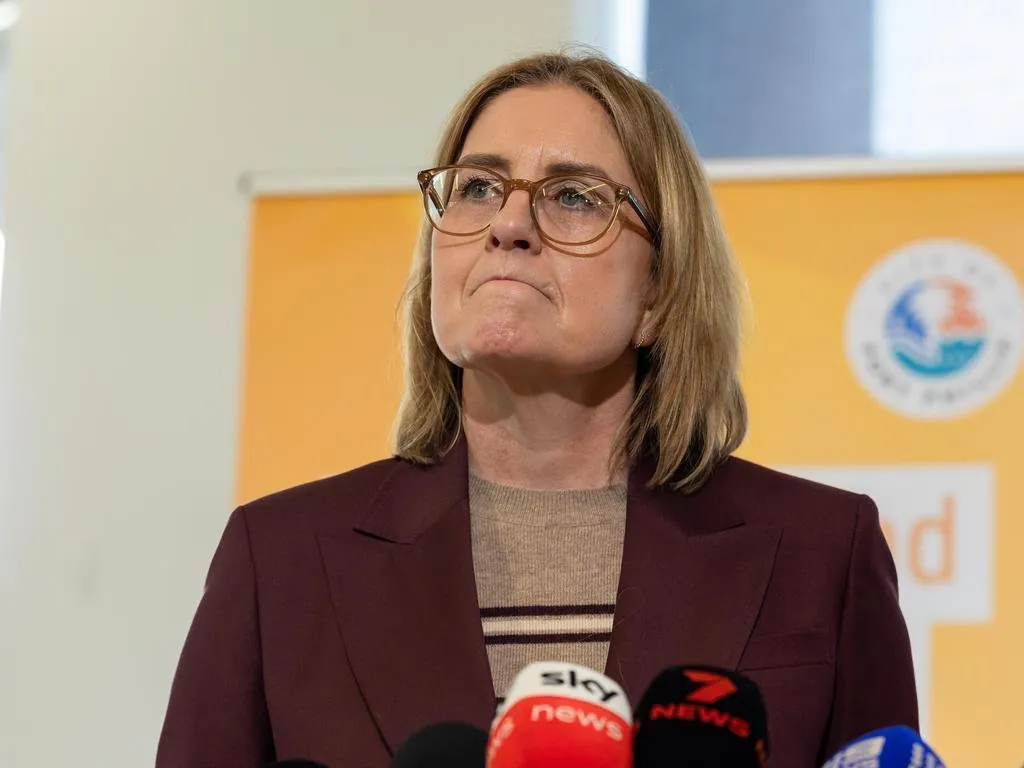
Charlie Bezzina, a former Victoria Police detective, believes that the government’s proposal to establish a dedicated organised crime agency is nothing more than a knee-jerk reaction to the crisis.
Instead, he argues that authorities should be focusing on strengthening the powers and resources already available to them. “These bodies are already there,” he said, referring to existing agencies such as the Australian Criminal Intelligence Commission and Victoria’s Office of the Chief Examiner.

“What we really need is penalties, penalties to really drive the message home.
And that’s where the police are being let down time and time again by the court system.”
Bezzina’s comments come as Victoria’s Chief Commissioner of Police, Mike Bush, calls for the government to remove restrictions that prevent officers from investigating organised crime without receiving approval after applying to a magistrate for a warrant.
“This takes a lot of planning involved in it,” Bezzina argued.
“And as Chief Commissioner Bush said, what he’s after is basically more powers.” But Bezzina believes that the government is not doing enough to support Victoria Police, arguing that Chief Commissioner Bush is trying to tackle increasingly sophisticated organised crime networks without the powers and resources he needs.
“They’ve actually stripped them of powers, of what they can and can’t do,” Bezzina said. “And poor old Mr Bush is trying to do the best he can with what little he’s got.
He is not getting the support from the government.” Bezzina’s comments are a scathing indictment of the government’s handling of the crisis, and they raise serious questions about the effectiveness of the proposed organised crime agency.
So what’s driving the rise of this mafia-like cartel in Melbourne? Experts say that it’s a complex issue, but one thing is clear: the cartel’s grip on the city is tightening.
The group allegedly issued a chilling message declaring “Nothing changes, tax continues to be paid, and the boys will continue to burn” just hours after one of its key figures was arrested.
The message is a stark warning to businesses that the cartel will not be intimidated, and that it will continue to extort money from them.
Analysis: What This Means for AustraliaThe rise of this mafia-like cartel in Melbourne has serious implications for Australia’s national security.
The fact that the group is able to operate with such impunity raises questions about the effectiveness of our law enforcement agencies and the government’s ability to tackle organised crime.
It also highlights the need for a more coordinated approach to tackling organised crime, one that involves all levels of government and law enforcement. Security analysts say that the cartel’s ability to extort money from businesses and engage in violent turf wars is a major concern.
“This is not just a Melbourne problem, it’s an Australian problem,” said one analyst.
“If we don’t take action to address this, it could spread to other cities and have serious consequences for our economy and public safety.”
The economic consequences of the cartel’s activities are already being felt, with businesses being forced to pay protection money and invest in security measures to protect themselves.
But the social consequences are just as serious, with the cartel’s activities causing fear and intimidation in the community. As the situation continues to spiral out of control, it’s clear that something needs to be done.
But what? Experts say that a more coordinated approach to tackling organised crime is needed, one that involves all levels of government and law enforcement.
This includes providing more resources and powers to law enforcement agencies, as well as implementing tougher penalties for those involved in organised crime. Until then, the people of Melbourne will continue to live in fear of the mafia-like cartel that has taken hold of their city.
It’s a situation that’s unacceptable, and one that demands action from our government and law enforcement agencies.
The streets of Melbourne are abuzz with the sound of gunfire and the smell of burning buildings as a mafia-like cartel tightens its grip on the city. The tobacco and alcohol wars that have been raging for months show no signs of slowing down, and authorities are warning that almost any business could be at risk of being targeted. But as the situation spirals out of control, a former police detective has slammed the Victorian Government’s reported plans for an organised crime agency as a “political stunt” that fails to address the real issues.
Charlie Bezzina, a former Victoria Police detective, believes that the government’s proposal to establish a dedicated organised crime agency is nothing more than a knee-jerk reaction to the crisis. Instead, he argues that authorities should be focusing on strengthening the powers and resources already available to them. “These bodies are already there,” he said, referring to existing agencies such as the Australian Criminal Intelligence Commission and Victoria’s Office of the Chief Examiner. “What we really need is penalties, penalties to really drive the message home. And that’s where the police are being let down time and time again by the court system.”
Bezzina’s comments come as Victoria’s Chief Commissioner of Police, Mike Bush, calls for the government to remove restrictions that prevent officers from investigating organised crime without receiving approval after applying to a magistrate for a warrant. “This takes a lot of planning involved in it,” Bezzina argued. “And as Chief Commissioner Bush said, what he’s after is basically more powers.” But Bezzina believes that the government is not doing enough to support Victoria Police, arguing that Chief Commissioner Bush is trying to tackle increasingly sophisticated organised crime networks without the powers and resources he needs.
“They’ve actually stripped them of powers, of what they can and can’t do,” Bezzina said. “And poor old Mr Bush is trying to do the best he can with what little he’s got. He is not getting the support from the government.” Bezzina’s comments are a scathing indictment of the government’s handling of the crisis, and they raise serious questions about the effectiveness of the proposed organised crime agency.
So what’s driving the rise of this mafia-like cartel in Melbourne? Experts say that it’s a complex issue, but one thing is clear: the cartel’s grip on the city is tightening. The group allegedly issued a chilling message declaring “Nothing changes, tax continues to be paid, and the boys will continue to burn” just hours after one of its key figures was arrested. The message is a stark warning to businesses that the cartel will not be intimidated, and that it will continue to extort money from them.
The rise of this mafia-like cartel in Melbourne has serious implications for Australia’s national security. The fact that the group is able to operate with such impunity raises questions about the effectiveness of our law enforcement agencies and the government’s ability to tackle organised crime. It also highlights the need for a more coordinated approach to tackling organised crime, one that involves all levels of government and law enforcement.
Security analysts say that the cartel’s ability to extort money from businesses and engage in violent turf wars is a major concern. “This is not just a Melbourne problem, it’s an Australian problem,” said one analyst. “If we don’t take action to address this, it could spread to other cities and have serious consequences for our economy and public safety.”
The economic consequences of the cartel’s activities are already being felt, with businesses being forced to pay protection money and invest in security measures to protect themselves. But the social consequences are just as serious, with the cartel’s activities causing fear and intimidation in the community.
As the situation continues to spiral out of control, it’s clear that something needs to be done. But what? Experts say that a more coordinated approach to tackling organised crime is needed, one that involves all levels of government and law enforcement. This includes providing more resources and powers to law enforcement agencies, as well as implementing tougher penalties for those involved in organised crime.
Until then, the people of Melbourne will continue to live in fear of the mafia-like cartel that has taken hold of their city. It’s a situation that’s unacceptable, and one that demands action from our government and law enforcement agencies.