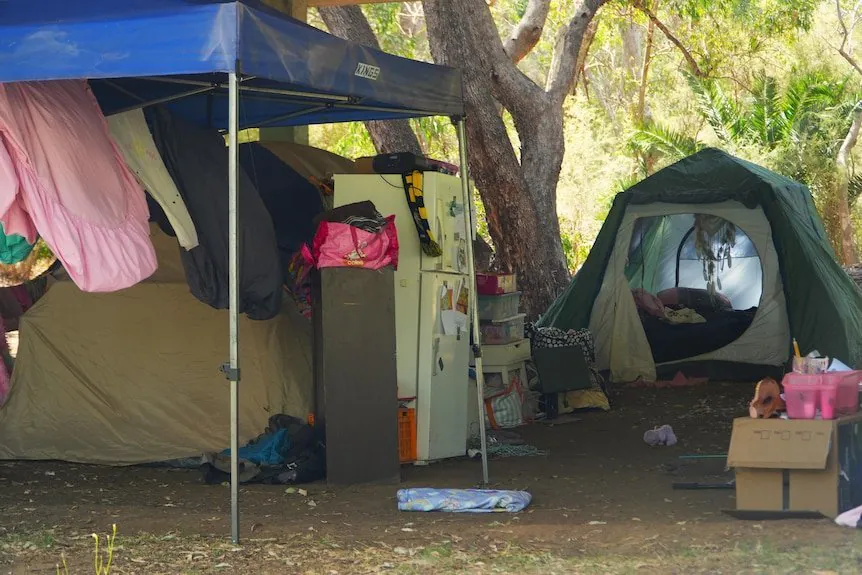
Homelessness Crisis Engulfs Perth As Desperate Australians Are Forced To Live On The Streets Due To Soaring Rents And Lack Of Affordable Housing
- Perth’s homelessness crisis is worsening, with a growing number of people, including families and elderly individuals, struggling to find stable accommodation
- Support services are overwhelmed, with some reporting a 36 per cent increase in demand over the last year, as people struggle to make ends meet due to higher rents and cost of living
- The WA government’s failure to achieve its goal of ending rough sleeping has sparked calls for urgent investment in breaking the cycle of homelessness, with social services urging the use of the budget surplus to address the issue
- Those experiencing homelessness are not just individuals, but also families, couples, and people with pets, who are finding it increasingly difficult to access suitable accommodation and support services
The streets of Perth have become a harsh reality for many Australians, who are being forced to live in desperate conditions due to the city’s worsening homelessness crisis.
For people like Libby Sweeney, who has been sleeping rough for over two years, the struggle to find stable accommodation is a daily battle. With her two dogs, Pablo and Yogi, by her side, Libby has limited options, as many accommodation services do not allow pets.
Her story is just one of many, as the city’s support services are overwhelmed by the sheer number of people in need.
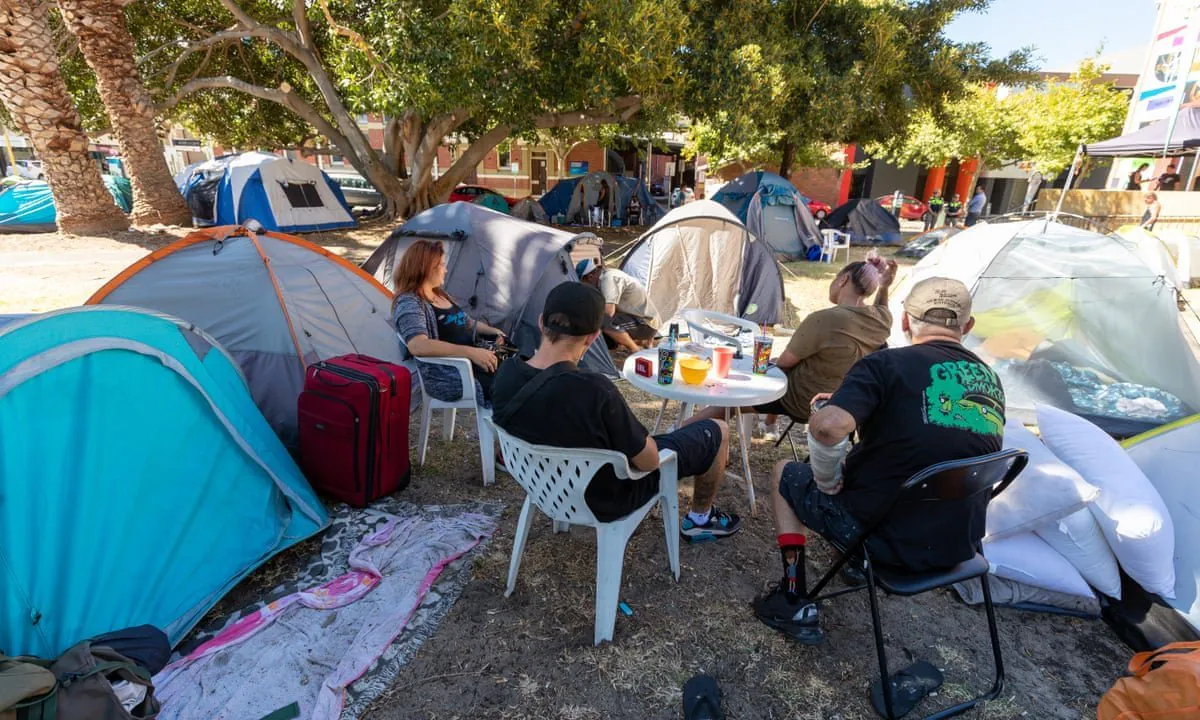
Brett McCaul, the Salvation Army’s outreach team leader in Western Australia, has been working on the frontline of the crisis for six years. He says the problem is not just the increasing number of people who need help, but the diversity in demographic groups, including dual-income families.
“We really don’t have the resources to be able to accommodate the amount of families that we’re seeing,” he said.


The situation is further complicated by the lack of suitable accommodation, with many services unable to cater to the specific needs of families, couples, and people with pets.
The root of the problem lies in the city’s housing crisis, with soaring rents and a lack of affordable accommodation driving the increase in homelessness.
According to Maija Hildebrand, Vinnies WA’s service development manager, the issue is not just about providing more accommodation, but also about addressing the underlying causes of homelessness, such as family and domestic violence, and the cost of living.
“Although it’s not as visible as we might have seen in Memorial Drive, it doesn’t mean it’s not there,” she said. The situation is dire, with many people, including the elderly, being forced to sleep in their cars or on the streets.
Analysis: What This Means for Australia is a stark reminder of the need for urgent action to address the homelessness crisis.
The situation in Perth is not unique, with many cities across the country struggling to cope with the growing number of people in need. The economic and social consequences of homelessness are far-reaching, with significant impacts on mental and physical health, as well as the economy.
As Security analysts say, the lack of affordable housing and support services is a major contributor to the crisis, and addressing these issues is critical to finding a solution.
Law enforcement insiders warn that the situation is also having a significant impact on community safety, with the presence of homeless individuals and families on the streets increasing the risk of crime and anti-social behaviour.
Expert commentary from industry observers highlights the need for a multi-faceted approach to addressing the crisis.
This includes increasing the supply of affordable housing, providing support services that cater to the specific needs of different demographic groups, and addressing the underlying causes of homelessness, such as poverty and lack of education.
As housing crisis continues to worsen, it is essential that governments, support services, and the community work together to find solutions.
The WA government’s investment of $91.1 million in homelessness services is a step in the right direction, but more needs to be done to address the root causes of the crisis.
According to Australian Bureau of Statistics, the number of people experiencing homelessness is on the rise, and urgent action is needed to reverse this trend.
The story of Neil Clifford-Mills, a 66-year-old who was forced to sleep in his car before being offered temporary accommodation, is a testament to the generosity of the community.
However, it also highlights the need for more systemic solutions to the crisis.
As Neil said, “If it wasn’t for the generosity of the people around here to help me through, I’d be in trouble.” The community’s response to the crisis is critical, but it is also essential that governments and support services provide the necessary resources and infrastructure to address the issue.
This includes investing in affordable housing and providing support services that cater to the specific needs of different demographic groups.
In conclusion, the homelessness crisis in Perth is a stark reminder of the need for urgent action to address the issue. The situation is complex, and there is no one-size-fits-all solution.
However, by working together and addressing the root causes of homelessness, we can find solutions that will make a real difference in the lives of those affected.
As social services continue to struggle to cope with the growing number of people in need, it is essential that we prioritize the provision of support services and affordable housing to address the crisis.
The WA government’s investment in homelessness services is a step in the right direction, but more needs to be done to address the root causes of the crisis and provide a safe and secure future for all Australians.