
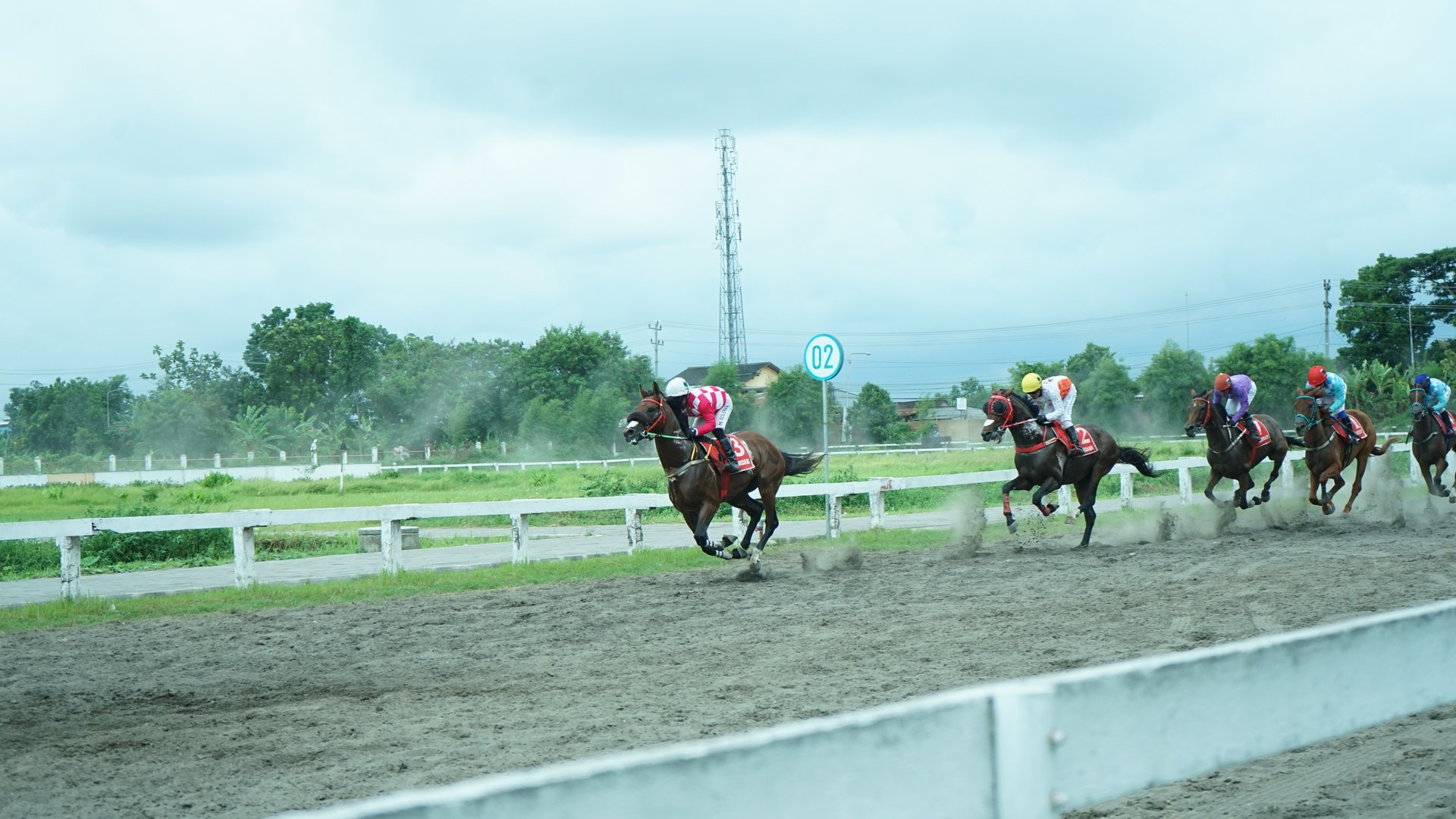
‘Heads Have Got to Roll’: Fury as Melbourne Cup Star So You Are Found Dumped in a Skip Bin at Sydney Tip Just Days After Racing in the Nation’s Biggest Race
- Melbourne Cup runner So You Are, a $1.4 million earner, was filmed lying in a skip bin at a Sydney waste facility after being put down following emergency colic surgery
- His heartbroken owner-breeder Stuart Ramsey has called the episode a “bl**dy disgrace” and wants the decision-makers responsible removed
- The veterinary hospital that cared for the gelding has apologised and sacked its disposal contractor, but admits it never checked how horses were handled after they left its doors
- Animal welfare campaigners say the shocking footage exposes how the racing industry treats horses once they stop being useful
Fifteen days ago, he was carrying the hopes of a family and thousands of punters down the Flemington straight.
This week, he was lying in a skip.
The undignified end of So You Are, a five-year-old gelding who lined up in the Melbourne Cup on November 3, has triggered a wave of outrage across Australian racing and handed the industry’s fiercest critics one of the most damaging images they could have asked for.
Footage captured by a Sydney man and shared online shows the horse’s body in a skip bin at the Cleanaway Lucas Heights Resource Recovery Centre in the city’s south.
Within hours, it was being circulated by racing insiders and anti-racing activists alike, united, for once, in disgust.
So You Are had finished eighth in the Cup for Sydney trainer Bjorn Baker before heading to a spelling farm for a well-earned break. On Monday morning, he began showing signs of colic.
Staff took him to the REC Equine Specialists clinic in Horsley Park, on Sydney’s western fringe, for urgent treatment. Vets operated, but they could not save him.
The gelding was euthanised while still under anaesthetic.
What happened next is now the subject of an inquiry by Racing NSW. The regulator says its investigations so far indicate the horse was being held temporarily while awaiting burial when the footage was filmed.
That explanation has done little to cool tempers.
Stuart Ramsey, who bred and owns So You Are through his boutique Hunter Valley operation Turangga Stud, has demanded a full investigation, telling AAP that heads have to roll.
For Ramsey, the loss is deeply personal. He has described the gelding as far more than a racing asset, a horse who drew his family together.
Around 30 relatives and friends made the journey to Melbourne to watch him run in the Cup. Now, Ramsey says, that same family is reeling from stress over how the animal was treated in death.
REC issued a late-night apology on Tuesday.
Managing partner Jonathan Lumsden said the hospital had spoken with the horse’s owners and trainers, conceded the handling was unacceptable and disrespectful, and said So You Are ought to have been buried promptly and with respect.
Crucially, Lumsden acknowledged the hospital did not perform the burial itself but chose the provider and the arrangements, and accepted full responsibility for that. He also admitted REC should have known exactly how horses were dealt with after leaving its care, and did not.
The unnamed contractor has been dropped effective immediately, and the hospital has promised a review of how disposal companies treat horses after death.
Ramsey, however, says nobody from REC has contacted him. He rejects any attempt to shift the blame to the contractor, insisting the hospital was in charge of the horse.
He says the family was never offered the chance to bring So You Are home to Turangga for burial, and wants those who made the decisions gone.
Baker, too, has spoken of his distress, saying the horse deserved dignity and respect.
The timing could hardly be worse for the sport.
Spring Carnival is still fresh in the public memory, and the industry has spent years fighting to convince a sceptical public that its animals are cared for from foal to final day.
Ramsey himself maintains racehorses are among the best-looked-after animals on earth. But images like these undercut that message in seconds.
Racing NSW has pointed out that, under NSW Department of Primary Industries guidelines, licensed landfill is the preferred disposal option for animals euthanised with drugs, because of the chemicals involved.
The regulator stressed, though, that burial should still have been carried out in a timely and respectful way, and says appropriate action will follow if wrongdoing is found.
Analysis: What This Means for Australia
This is no longer just a story about one horse. It goes to the heart of the racing industry’s social licence, the unwritten public permission that allows a multi-billion-dollar sport to keep operating.
Racing underpins jobs, tourism and wagering revenue across regional and metropolitan Australia, from Hunter Valley studs to Flemington’s grandstands. That economic engine depends on public goodwill, sponsors and government support.
Every scandal chips away at all three.
The case also exposes a regulatory blind spot. Oversight of horses while they race is intense.
Oversight of what happens after death, once remains pass through vets, contractors and waste operators, appears to be far murkier. REC’s own admission that it did not know how its contractor handled animals suggests a chain of custody nobody was properly policing.
For communities, the sight of a beloved animal in a rubbish bin strikes a raw nerve, feeding into broader debates about animal welfare and the treatment of retired and injured horses.
Critics have wasted no time.
Elio Celotto, campaign director of the Coalition for the Protection of Racehorses, told AAP that burial or cremation is always available, but dumping a horse at a tip is simply more convenient, describing it as business as usual for a profit-driven industry.
Victorian Animal Justice Party MP Georgie Purcell said the case should force the sport to confront hard questions about duty of care, arguing an industry that breeds and profits from horses is failing its most basic obligation to treat them with dignity after death.
Industry observers believe the fallout could accelerate calls for mandatory, transparent standards on equine aftercare, including end-of-life handling, as part of the wider horse racing reform debate.
Animal welfare analysts say the episode reveals how responsibility can evaporate once a horse leaves a stable or hospital, with each party assuming someone else is accountable.
Racing insiders warn the reputational hit may outlast the investigation itself, with owners likely to demand far greater say over what happens to their horses if the worst occurs.
Governance experts suggest regulators may need to extend their reach into the contractors who handle remains, ensuring that the same scrutiny applied on race day continues long after the final race is run.
For Stuart Ramsey and his family, none of that will undo the image now seared into their minds. A horse who won eight races, earned $1.4 million and brought dozens of people together deserved a far better farewell.
Cleanaway has been contacted for comment.