
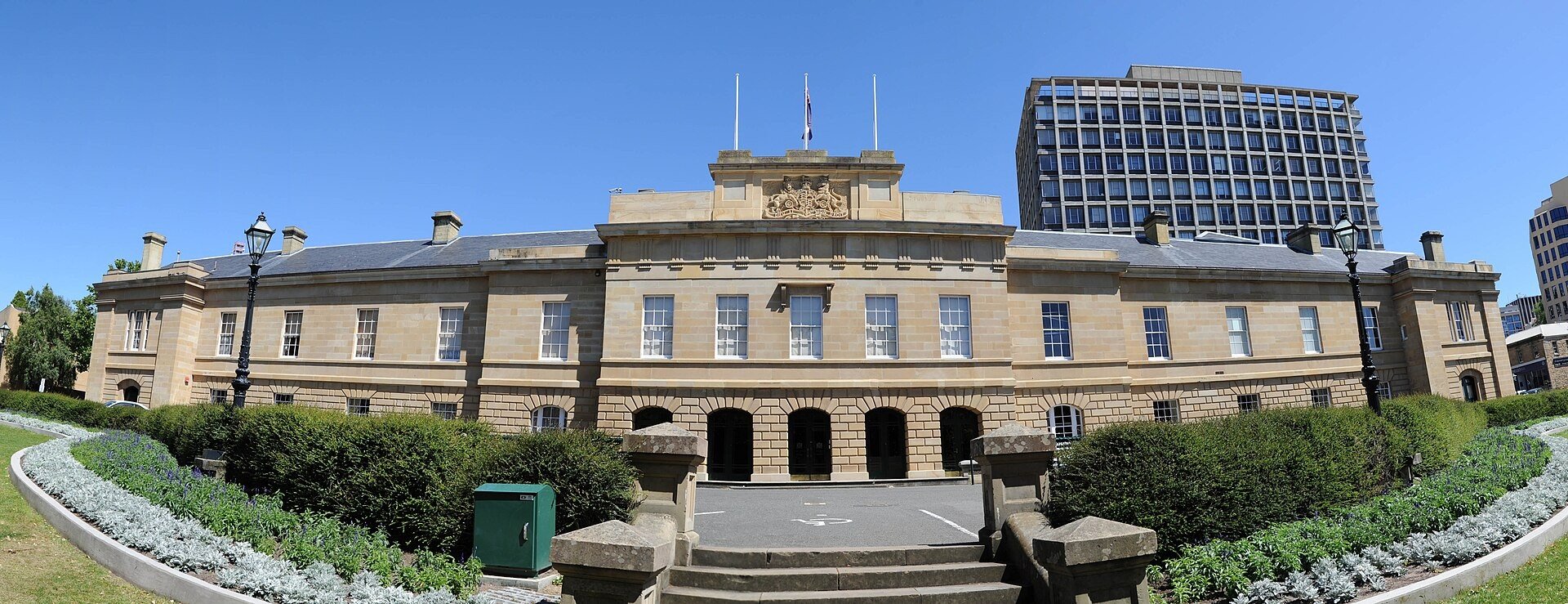
‘Red Hot Mess’: Tasmania’s Liberals Crash to Their Worst Result in 25 Years as Surging One Nation Pulls Level With Labor in Three-Way Battle for the Island State
- Just two percentage points separate Labor, the Liberals and One Nation in Tasmania’s latest EMRS poll, with all three locked inside the margin of error
- Liberal support has sunk to its lowest point in an EMRS survey since May 2001, despite Premier Jeremy Rockliff remaining the clear preferred leader
- One Nation has climbed in every quarter this year, from 14 per cent in February to 23 per cent now
- Voters say the cost of living and healthcare matter far more than the Macquarie Point Stadium, which barely registered
Tasmanians are struggling to pay their bills and get seen by a doctor. They are now sending a blunt message to the people who run their state.
A new poll shows the island’s politics have splintered into a near-perfect three-way deadlock. No single party commands even a quarter of the vote.
The long-dominant Liberals are now weaker than at any point this century.
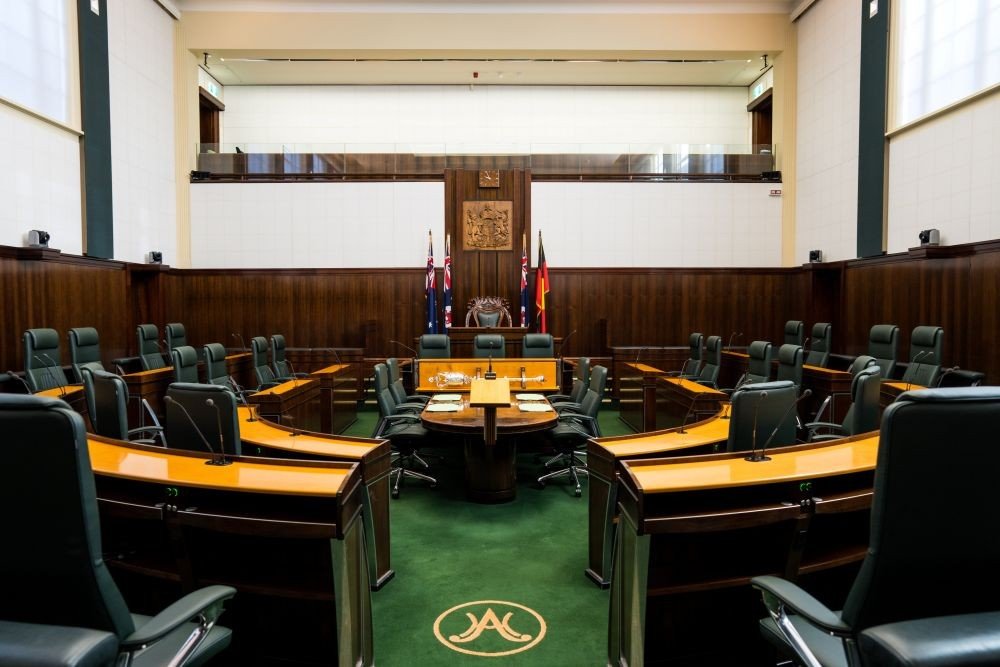
Behind the numbers is a clear complaint: many voters feel parliament is arguing about the wrong things.
The EMRS survey of 1,000 Tasmanians was conducted on November 11 and 12. It puts Labor narrowly in front on 25 per cent of first-preference support.
The governing Liberals sit on 24 per cent, and One Nation is close behind on 23 per cent.
The Greens slipped slightly to 14 per cent. Independents attracted 13 per cent.
Undecided voters were excluded from the final figures.
EMRS managing director Brad Stansfield called the state of play “a red hot mess”. He noted that every one of the top three results falls within the survey’s margin of error of roughly three points.
EMRS puts the exact figure at plus or minus 3.10 percentage points at the 95 per cent confidence level. That means the order could easily shuffle by the next quarter.
For the Liberals, the result is a grim milestone. Their vote dropped two points since August.
That leaves the party at its lowest ebb in an EMRS poll since May 2001.
When Health Minister Bridget Archer faced reporters on Wednesday morning, she declined to engage. She said she would leave any commentary on the figures to others.
There was some comfort for the government. Jeremy Rockliff’s personal standing actually improved, with his net favourability rising.
He remains preferred premier for 41 per cent of those surveyed.
But Labor leader Josh Willie is closing the gap.
His support as preferred premier rose to 33 per cent, the best result he has recorded since taking over the party leadership in August last year.
This is the first time Labor has led the Liberals in the EMRS poll since May last year. That was shortly before the opposition moved a no-confidence motion against Mr Rockliff, a move that pushed the state into a snap election.
Mr Stansfield said Labor would take heart from the result. Being in front, he observed, beats trailing.
The bigger story, however, is One Nation’s steady rise. EMRS first included the party in its state polling in February, when it recorded 14 per cent.
It has gained ground in every quarter since, adding nine points in nine months.
Mr Stansfield is a former Liberal Party adviser. He warned that this momentum should not be dismissed as a polling quirk.
He pointed to the South Australian election and the Farrer by-election as recent examples where One Nation’s poll numbers had largely carried through to the ballot box.
One Nation Tasmania celebrated online. It declared on social media that it was now “breathing down the necks” of the two major parties.
Analysis: What This Means for Australia
The poll reveals a widening gap between what politicians debate and what ordinary households are worried about.
Asked which issue would most shape their vote at a state election, 24 per cent of respondents named the cost of living. Another 22 per cent said healthcare.
After that, the numbers fell away sharply. Government spending and the budget came a distant third at 10 per cent.
The issues that have dominated parliament and the headlines barely registered. Only 6 per cent nominated the contentious Macquarie Point Stadium.
Just 3 per cent mentioned data centres.
Mr Stansfield described the gap as “starker than normal”. In his view, the matters consuming parliamentary debate may simply not be top-line concerns for voters.
The breakdown is revealing. One Nation supporters were the most likely to cite the cost of living as their main issue.
Labor voters were the most likely to point to health. Mr Stansfield said the parties seen to be talking about, and acting on, those concerns were being rewarded, at least in the polls.
The implications reach well beyond Bass Strait. Tasmania has become an early test of a national trend.
Voters under financial strain are walking away from the traditional two-party system and backing insurgent and minor parties.
A parliament split three ways makes stable government harder. Minority arrangements, fragile alliances and the constant threat of no-confidence motions can delay decisions on hospitals, housing and infrastructure.
Those are the services voters say they care about most.
The economic stakes are significant. Tasmania already faces pressure over its state budget, and its healthcare system has been under strain for years.
Further political paralysis could slow investment decisions and deepen frustration in regional communities, where many voters already feel left behind.
Political analysts say the major parties across Australia should be watching closely. Tasmania’s Hare-Clark multi-member system rewards smaller parties that can win a respectable share of the vote.
A sustained One Nation result in the low twenties could translate into a meaningful bloc of seats.
Campaign strategists warn that the stadium debate may have become a liability for whichever party is most closely tied to it. In their view, every hour spent defending a major project is an hour not spent addressing grocery bills, rents and surgery waiting lists.
Observers of state politics believe the Liberals face a difficult paradox. Their leader remains comfortably more popular than his party.
That suggests voters are not rejecting Mr Rockliff personally, but are losing faith in the brand around him.
Others caution against reading too much into a single survey. With the three leading parties so close, ordinary sampling variation could reorder the field.
The trend lines are harder to ignore: a slow Liberal decline, a gradually recovering Labor, and a One Nation surge that has not yet stalled.
Polling experts note that the Australian Electoral Commission and state electoral bodies have recorded a long-term drift away from the major parties at both state and federal level.
Tasmania’s latest numbers fit that pattern.
For now, the message from Tasmanians is simple. Fix the basics first.
Whichever party convinces voters it can ease the strain on their wallets and their hospitals may break the deadlock.