Australia’s Dark Connection To The Flydubai Hijack Attempt: How A Melbourne University Student Became A Would-Be Terrorist
- A flydubai co-pilot’s shocking attempt to hijack a plane and crash it into Tel Aviv’s Ben Gurion Airport has raised alarming questions about Australia’s role in breeding extremism
- The alleged hijacker, an Omani national, showed signs of “drift towards extremism and terrorism” while studying in Melbourne nearly a decade ago, investigators claim
- The Australian Federal Police is now investigating the co-pilot’s time in Australia, sparking fears about the country’s ability to detect and prevent home-grown terrorism
- The incident has also highlighted the need for stricter security checks on flight crews, particularly those from countries without diplomatic relations with Israel
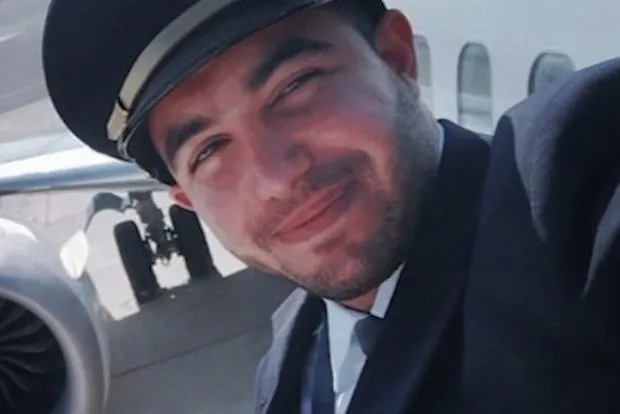
The shocking revelation that a flydubai co-pilot’s attempt to hijack a plane and crash it into Tel Aviv’s Ben Gurion Airport was inspired by his time studying in Melbourne has sent shockwaves through Australia’s national security community.
The co-pilot, identified as Al-Hammami, allegedly began to show signs of “drift towards extremism and terrorism” while studying at Melbourne’s RMIT University in 2017.
This disturbing development has raised serious questions about Australia’s ability to detect and prevent home-grown terrorism, and has sparked a thorough investigation by the Australian Federal Police into Al-Hammami’s time in the country.
According to Emirati investigators, Al-Hammami’s radicalization began while he was studying in Australia, where he was exposed to extremist literature and online content glorifying terrorist organizations and suicide attacks.
He also reportedly trained in boxing under a private coach, preparing himself physically and psychologically for the attempted hijacking.




The findings have sparked concerns about the spread of radical ideology in Australia and the need for stricter monitoring of individuals who may be vulnerable to extremist influences.
As terrorism continues to be a major concern for Australia, the country’s authorities are under pressure to strengthen their counter-terrorism measures and prevent similar incidents from occurring in the future.
The incident itself was a terrifying ordeal for the more than 170 passengers on board the flydubai plane. The co-pilot allegedly attacked his colleague with an axe, stored in the cockpit, and attempted to take control of the plane.
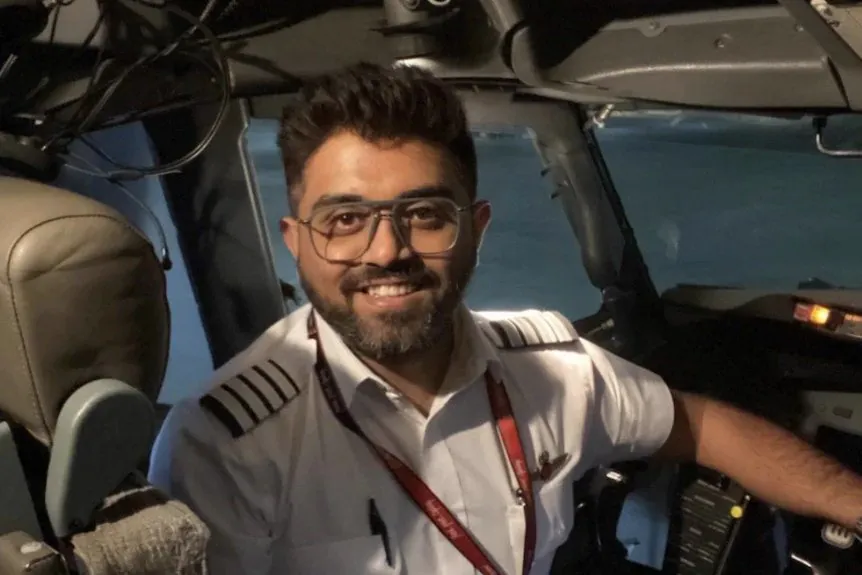
However, the Indian co-pilot, Smit Machchhar, managed to unlock the cockpit door, allowing passengers to storm in and wrest back control.
The plane plummeted nearly 14,000 feet in less than 30 seconds before a pilot, who was travelling on the flight, managed to execute an emergency landing in northern Saudi Arabia.
The heroic actions of the co-pilot and the passengers have been widely praised, but the incident has also raised serious questions about the security measures in place to prevent such attacks.
Analysis: What This Means for Australia is a complex and multifaceted issue.
The country’s national security agencies are facing intense scrutiny over their ability to detect and prevent home-grown terrorism.
The fact that Al-Hammami was able to become radicalized while studying in Australia is a major concern, and has sparked calls for stricter monitoring of individuals who may be vulnerable to extremist influences.
Security analysts say that the incident highlights the need for a more comprehensive approach to counter-terrorism, one that involves closer collaboration between law enforcement agencies, intelligence services, and community groups.
As Australian Security Intelligence Organisation (ASIO) continues to play a critical role in protecting Australia from terrorism, the country’s authorities must also address the root causes of radicalization and work to prevent the spread of extremist ideology.
Law enforcement insiders warn that the incident is a wake-up call for Australia’s aviation security measures.
The fact that Al-Hammami was able to become a pilot despite reportedly being sacked by his country’s national carrier due to his extremist views is a major concern.
Industry observers believe that the incident highlights the need for stricter security checks on flight crews, particularly those from countries without diplomatic relations with Israel.
As airport security continues to be a major concern for Australia, the country’s authorities must work to strengthen their security measures and prevent similar incidents from occurring in the future.
The incident has also sparked demands in Israel for the country’s transport minister to resign, given her department’s failure to flag the security risks associated with Al-Hammami.