Devastating 7.7-Magnitude Earthquake Strikes Off Coast Of Panama, Leaving Trail Of Destruction And Chaos In Its Wake
- A powerful earthquake has struck off the coast of Panama, causing widespread damage to homes, cutting power, and halting flights, with more than a dozen aftershocks felt across the country
- Residents are in a state of panic, with elderly citizens in tears as they survey the damage to their homes and communities, and many left fearing for their safety
- The quake has triggered a significant response from emergency services, with power outages reported across six provinces and the Tocumen International airport suspending flights
- The economic impact of the disaster is still being assessed, but estimates suggest it could amount to between one and 10 per cent of Panama’s gross domestic product
The people of Panama are reeling after a devastating 7.7-magnitude earthquake struck off the country’s southern coast, leaving a trail of destruction and chaos in its wake.
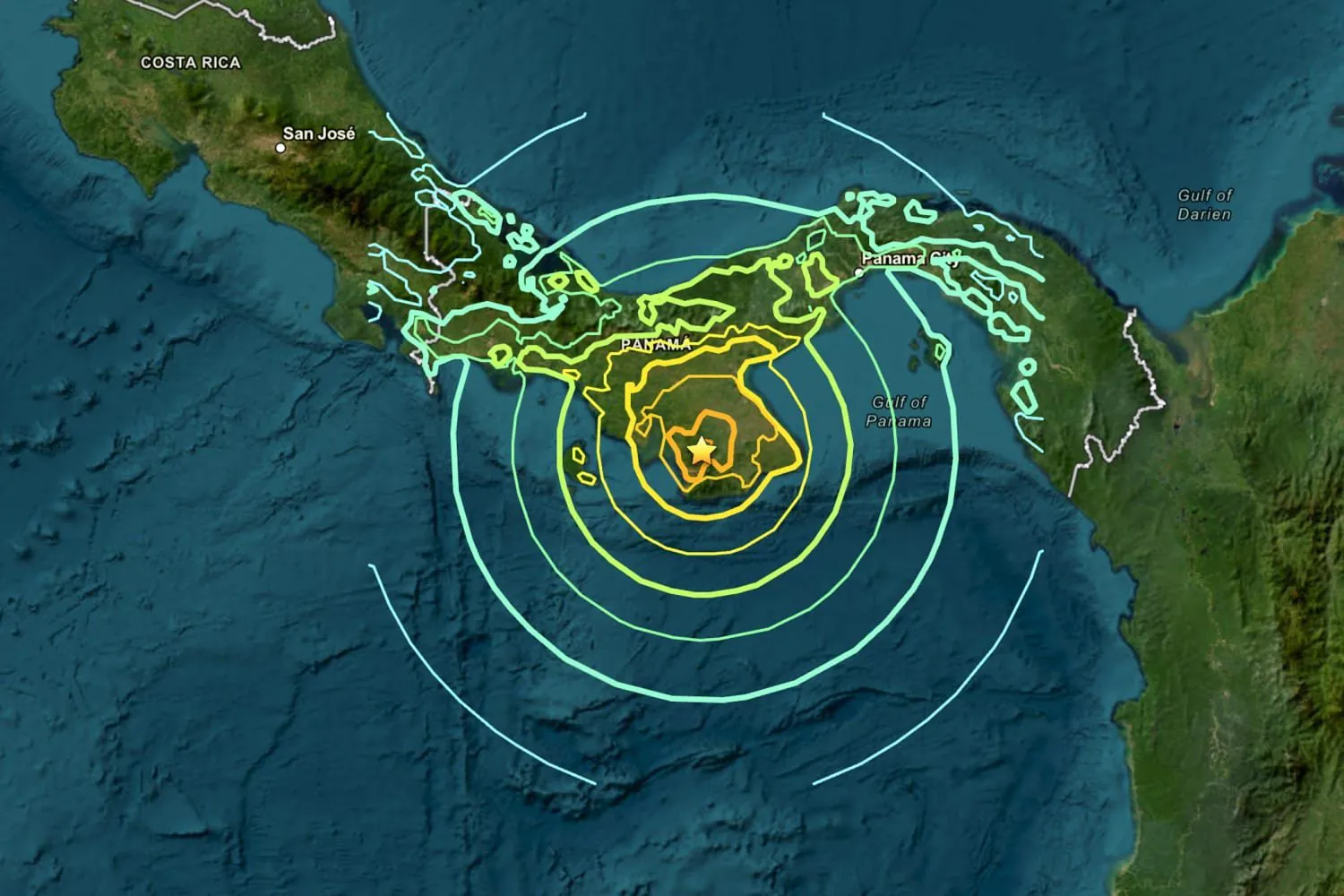
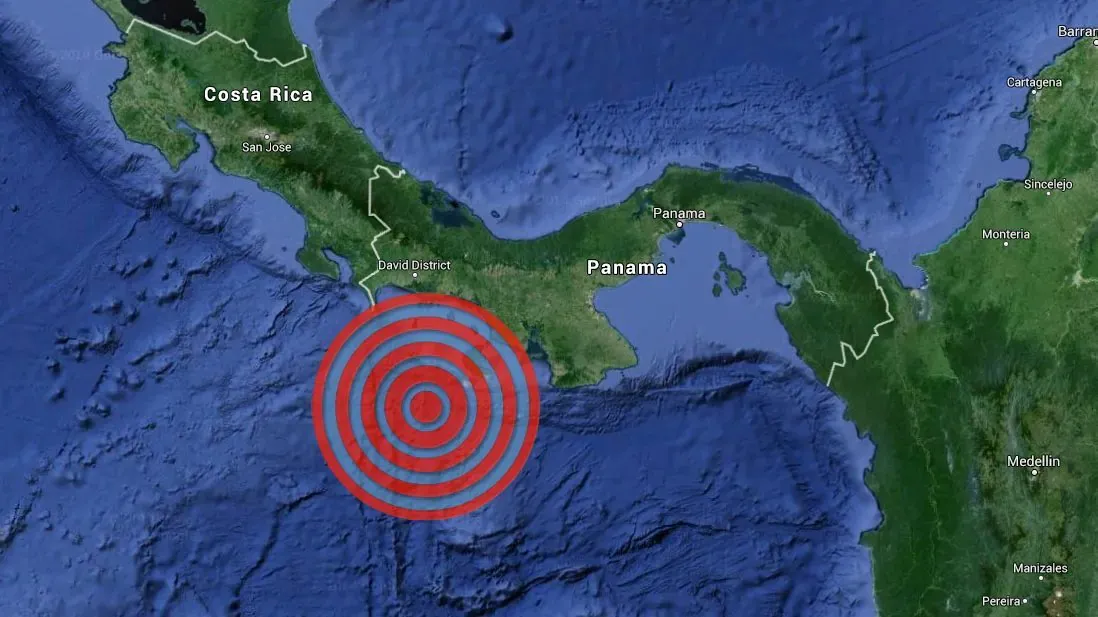
The quake, which occurred at a depth of 12.6 kilometres, has caused widespread damage to homes, cut power to thousands of residents, and halted flights at the Tocumen International airport.
As the full extent of the damage becomes clear, residents are struggling to come to terms with the scale of the disaster, with many left fearing for their safety and unsure of what the future holds.
According to eyewitnesses, the quake was felt across the country, with television images showing elderly residents in tears as they surveyed the damage to their homes and communities.
Ricardo Brown, a 74-year-old resident of Herrera province in southern Panama, described the terrifying moment the earthquake struck, saying: “We’re scared. It’s just the two of us old folks here.



The house has cracked, and we’re afraid it could fall on us.” The epicentre of the quake was located close to the rural community of La Pitaloza, in a sparsely populated area in the south of the country, where major earthquakes are rare.
Experts say the quake was triggered by the Azuero Sona Fault System, which has long contained a build-up of pressure.
Nestor Luque, director of Panama’s geosciences institute, explained: “It’s a system of active faults that occasionally, due to the accumulation of stress, release this amount of energy.
The seismic signals have travelled throughout the national territory and that is why it could be felt everywhere.” The US Geological Survey (USGS) has estimated that the economic losses could amount to between one and 10 per cent of Panama’s gross domestic product, a significant blow to the country’s economy.
As the people of Panama begin the long process of recovery and rebuilding, the international community is watching with concern.
The Panama Canal, a critical waterway that connects the Atlantic and Pacific Oceans, is located about 200 kilometres from the epicentre of the quake and is operating normally, but the disaster has highlighted the importance of disaster preparedness and response.
Security analysts say that the earthquake is a reminder of the need for countries to be prepared for natural disasters, and to have robust emergency response plans in place.
Analysis: What This Means for Australia is that we must be vigilant and proactive in our own disaster preparedness, particularly in relation to natural disasters and emergency response planning.
Law enforcement insiders warn that the earthquake has the potential to have significant implications for regional stability and security, particularly in relation to border control and national security.
The disaster has also highlighted the importance of international cooperation and assistance, with many countries offering support and aid to Panama in the aftermath of the quake.
Industry observers believe that the earthquake will have significant economic and social consequences, not just for Panama, but for the wider region.
As the situation continues to unfold, one thing is clear: the people of Panama will need all the support they can get to recover and rebuild from this devastating disaster.
Australian Bureau of Statistics data shows that natural disasters can have a significant impact on a country’s economy, and it is likely that the earthquake in Panama will be no exception.
In the aftermath of the quake, residents are struggling to come to terms with the scale of the damage, and many are left wondering what the future holds.
As the country begins the long process of recovery and rebuilding, it is clear that the road ahead will be difficult, but with the support of the international community, and a commitment to disaster preparedness and response, the people of Panama can rebuild and emerge stronger than ever.
The earthquake is a reminder of the importance of being prepared for natural disasters, and the need for countries to have robust emergency response plans in place.
As Australia looks to the future, it is clear that we must be proactive in our own disaster preparedness, and work to build a more resilient and sustainable community.