‘House of Horrors’ Animal Cruelty Case: Tasmanian Woman Faces Justice for ‘Squalid’ Treatment of 71 Animals
- Karen Maree Blake, 67, pleads guilty to 21 counts of animal cruelty and one count of animal mismanagement
- RSPCA inspectors found 71 animals living in ‘squalid’ conditions, with some already dead and others suffering from untreated medical conditions
- The case has sparked outrage, with animal welfare advocates calling for tougher penalties for animal cruelty offenders
In a shocking case that has left animal lovers reeling, a 67-year-old Tasmanian woman has pleaded guilty to 21 counts of animal cruelty and one count of animal mismanagement.
Karen Maree Blake’s guilty plea comes after RSPCA inspectors uncovered a ‘house of horrors’ at her property on Hobart’s eastern shore, where 71 animals were found living in squalid conditions.
The disturbing discovery was made in December 2024, when inspectors responded to a cruelty complaint about a large number of cats at the property.
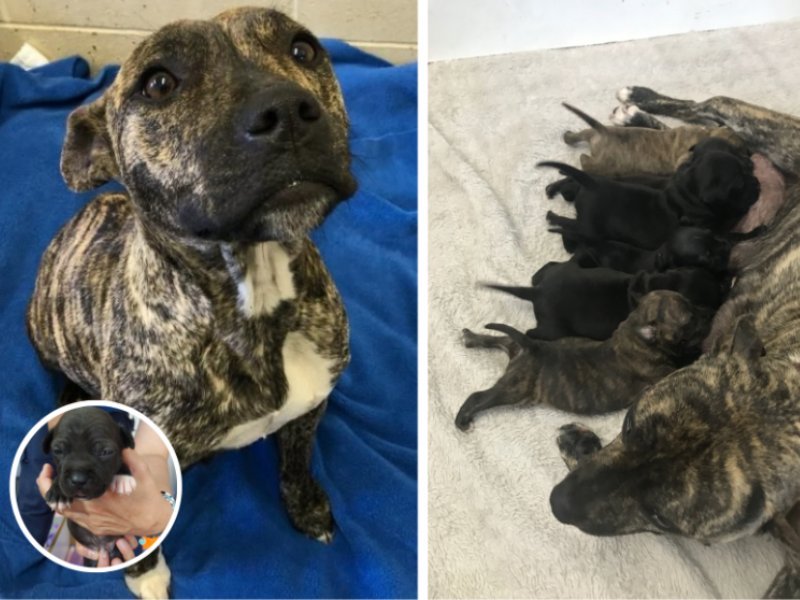
What they found was nothing short of appalling – cats and dogs living in filthy conditions, with some animals already deceased and others suffering from serious untreated medical conditions.
The RSPCA seized 69 cats and two dogs, which underwent veterinary examination and received treatment for varying levels of illness and neglect.



Tragically, some animals had to be humanely euthanased to prevent further suffering. However, many of those rescued have since been nursed back to health and successfully rehomed.
RSPCA Tasmania Chief Inspector Jayden Stirrup described Blake’s guilty plea as a ‘positive step’ in the legal process, but warned that the case highlights the need for tougher penalties for animal cruelty offenders.
Blake’s case serves as a stark reminder of the importance of animal welfare and the need for greater awareness about the consequences of animal cruelty.
As the RSPCA continues to push for stronger laws and harsher penalties for animal abusers, this case will undoubtedly spark a renewed debate about the role of animal welfare in Australian society.
Analysis: What This Means for Australia
This shocking case has serious implications for animal welfare in Australia. It highlights the need for greater awareness about the consequences of animal cruelty and the importance of holding offenders accountable.
As the RSPCA continues to push for stronger laws and harsher penalties for animal abusers, this case will undoubtedly spark a renewed debate about the role of animal welfare in Australian society.
Security analysts say that cases like Blake’s are a stark reminder of the importance of animal welfare in maintaining social cohesion and community safety. “Animal cruelty is often a precursor to other forms of violence and abuse,” says one expert.
“It’s crucial that we take a zero-tolerance approach to animal cruelty and hold offenders accountable for their actions.”
Law enforcement insiders warn that animal cruelty cases like Blake’s are often indicative of deeper psychological and social issues. “These cases often involve individuals who are struggling with mental health issues or who have a history of violence,” says one source.
“It’s crucial that we address these underlying issues and provide support to those who need it.”
Industry observers believe that cases like Blake’s will continue to spark outrage and debate about animal welfare in Australia. “This case is a wake-up call for all of us,” says one expert.
“We need to take a hard look at our laws and our attitudes towards animal welfare and make sure that we’re doing everything we can to protect animals from cruelty and abuse.”