Australia Refuses to Send Warships to Strait of Hormuz Despite US President’s Urgent Plea as Fuel Crisis Looms
- Australia rejects US President Donald Trump’s call to deploy warships to the Strait of Hormuz, a critical oil transit route
- Transport Minister Catherine King says Australia is “well prepared” for fuel disruptions, but refuses to commit to sending naval support
- Fuel shortages and panic buying continue to grip the nation, with regional areas hardest hit as the global fuel crisis deepens
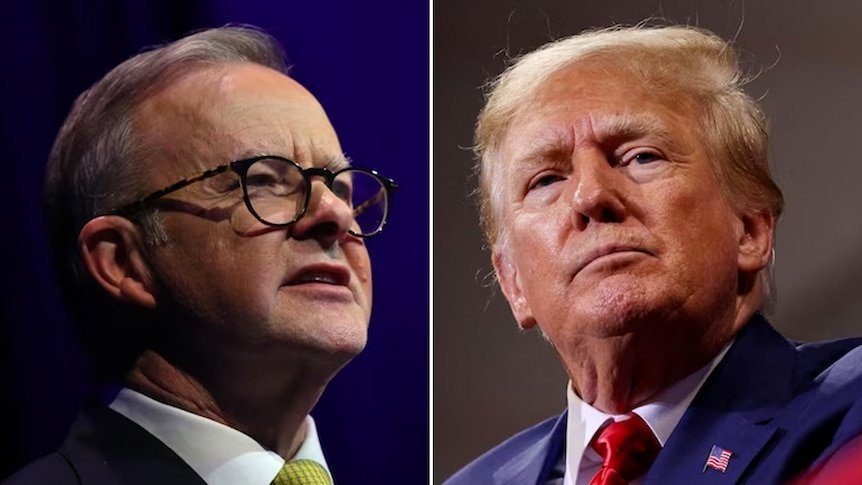
The Australian government has made a bold move by rejecting US President Donald Trump’s urgent plea to deploy warships to the Strait of Hormuz, a critical oil transit route that has become a flashpoint in the escalating global fuel crisis.
Despite the US leader’s calls for a naval coalition to safeguard the strait, Transport Minister Catherine King has categorically ruled out sending Australian warships to the region.
The Strait of Hormuz, which handles about one-fifth of the world’s oil supply, has been a hotspot of tension since Israel and the US attacked Iran on February 28.

Commercial ships traversing the strait have been targeted, sparking fears of a prolonged fuel crisis that has already led to panic buying and emergency measures. But King remains adamant that Australia will not be sending warships to the strait, citing the country’s existing commitments to the United Arab Emirates.
“We’ve been very clear about what our contribution is in relation to requests, and so far that is to the UAE, obviously providing aircraft to assist with defence, particularly given the number of Australians that are in that area,” King told ABC Radio National.


“But we won’t be sending a ship to the Strait of Hormuz. We know how incredibly important that is, but that’s not something that we’ve been asked or we’re contributing to.”
The decision has sparked concerns about Australia’s preparedness for the growing fuel crisis, which has already seen regional areas experience acute shortages. King, however, has sought to allay fears, insisting that the country is “well prepared” for fuel disruptions.
“At this stage, all of the ships that were planned to come into Australia are coming in. The fuel supply is holding.
Obviously, we are seeing localised distribution issues, and I heard from your news that it’s really good to see the states are also stepping up to try and help transport companies get that fuel to where it’s needed,” she said.
Analysis: What This Means for Australia
The Australian government’s decision not to send warships to the Strait of Hormuz has significant implications for national security, law enforcement, and the economy.
By opting out of the US-led naval coalition, Australia may be seen as vulnerable to fuel supply disruptions, which could have far-reaching consequences for the nation’s economic stability.
Moreover, the decision may also be perceived as a failure to take a proactive role in maintaining regional security, potentially emboldening rogue states and terrorist groups.
Security analysts say Australia’s reluctance to engage in the Strait of Hormuz may also have implications for the country’s relationships with key allies, including the US.
“The decision not to send warships to the Strait of Hormuz sends a mixed signal about Australia’s commitment to regional security and its willingness to work with allies to address global crises,” said one expert.
“It’s a missed opportunity for Australia to demonstrate its leadership and influence in the region.”
Law enforcement insiders warn that the fuel crisis could have serious implications for public safety, particularly in regional areas where shortages are most acute. “The situation is volatile, and we need to be prepared for all eventualities,” said one source.
“The government needs to take a proactive approach to addressing the fuel crisis, including working with industry stakeholders to ensure that supplies are maintained and distributed efficiently.”
Industry observers believe the fuel crisis could have long-term economic consequences for Australia, including higher prices, job losses, and reduced economic growth.
“The government needs to take a holistic approach to addressing the fuel crisis, including investing in alternative energy sources and promoting fuel efficiency,” said one expert.
“The longer the crisis continues, the greater the impact will be on the economy and the Australian people.”
In the meantime, the government has announced the release of six days’ worth of petrol and five days’ worth of diesel from its emergency stockpile to assist with supply issues.
The sulphur standard has also been temporarily lowered. But as the fuel crisis deepens, Australians are bracing for the worst.