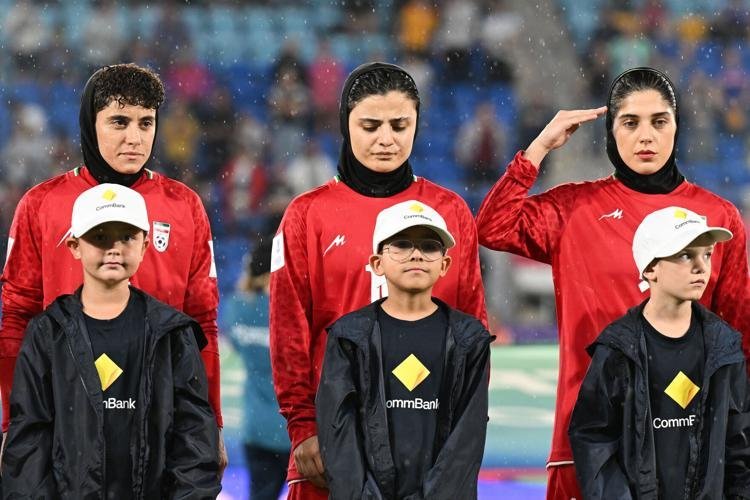
Iran’s Football Fiasco: The Secret Threats that Forced Asylum Seekers to Flee Back to Tehran
- Five members of the Iranian women’s football team have withdrawn their asylum claims and returned to Iran, citing threats to their families from the regime.
- The Australian government had granted them humanitarian visas, but the players claim they were intimidated into returning home.
- Human rights activists say the Iranian regime’s threats to the players’ families, including detention and disappearance, were very real.
The dramatic about-face of the Iranian women’s football team has left many questions unanswered.
Just last week, seven team members, including a player handler, were granted humanitarian visas by the Australian government after seeking asylum during the Asian Cup tournament.
But in a shocking turn of events, five of them have now withdrawn their claims and returned to Iran, citing threats to their families from the regime.

The Iranian Football Association has confirmed that the players will return to Tehran in the coming days, rejoining the rest of the team in Malaysia. But what led to this sudden change of heart?
According to local Iranian diaspora members, the staff member granted asylum was passing on threats from the Iranian regime to the players. These threats allegedly included harm to their families, who are still in Iran.



The Australian government has denied these claims, saying they have no reason to believe them.
However, human rights activists from the Iranian community in Australia have responded with sadness to the news, saying the intimidation from the regime was clearly very real.
“Their families are detained, some are even missing,” said Iranian-born Sydney councillor Tina Kordrostami.
Analysis: What This Means for Australia
The implications of this incident are far-reaching.
It raises questions about the Australian government’s ability to protect asylum seekers from persecution, particularly when dealing with countries like Iran, which has a history of human rights abuses.
It also highlights the challenges of balancing national security concerns with humanitarian obligations.
Security analysts say that the Iranian regime’s ability to exert pressure on its citizens, even when they are abroad, is a significant concern for Australia’s national security.
“This incident shows that the Iranian regime will stop at nothing to silence its critics, even if it means threatening their families,” said one analyst.
Furthermore, this incident has sparked debate about the government’s handling of the asylum claims.
Abul Rizvi, a former deputy secretary of the Department of Immigration, said that the government’s decision to offer the players asylum publicly was “unique” and may have put their families back home at even greater risk.
As the Australian government grapples with the fallout of this incident, one thing is clear: the fate of the Iranian women’s football team is a stark reminder of the complexities and challenges of dealing with asylum seekers in the modern era.