Tragedy in the Outback: Indigenous Elder Dies on Priority Housing Waitlist After Years of Couch Surfing
- A 61-year-old Indigenous man died while waiting for public housing in Kalgoorlie-Boulder, despite being on the “priority” list for nearly three years.
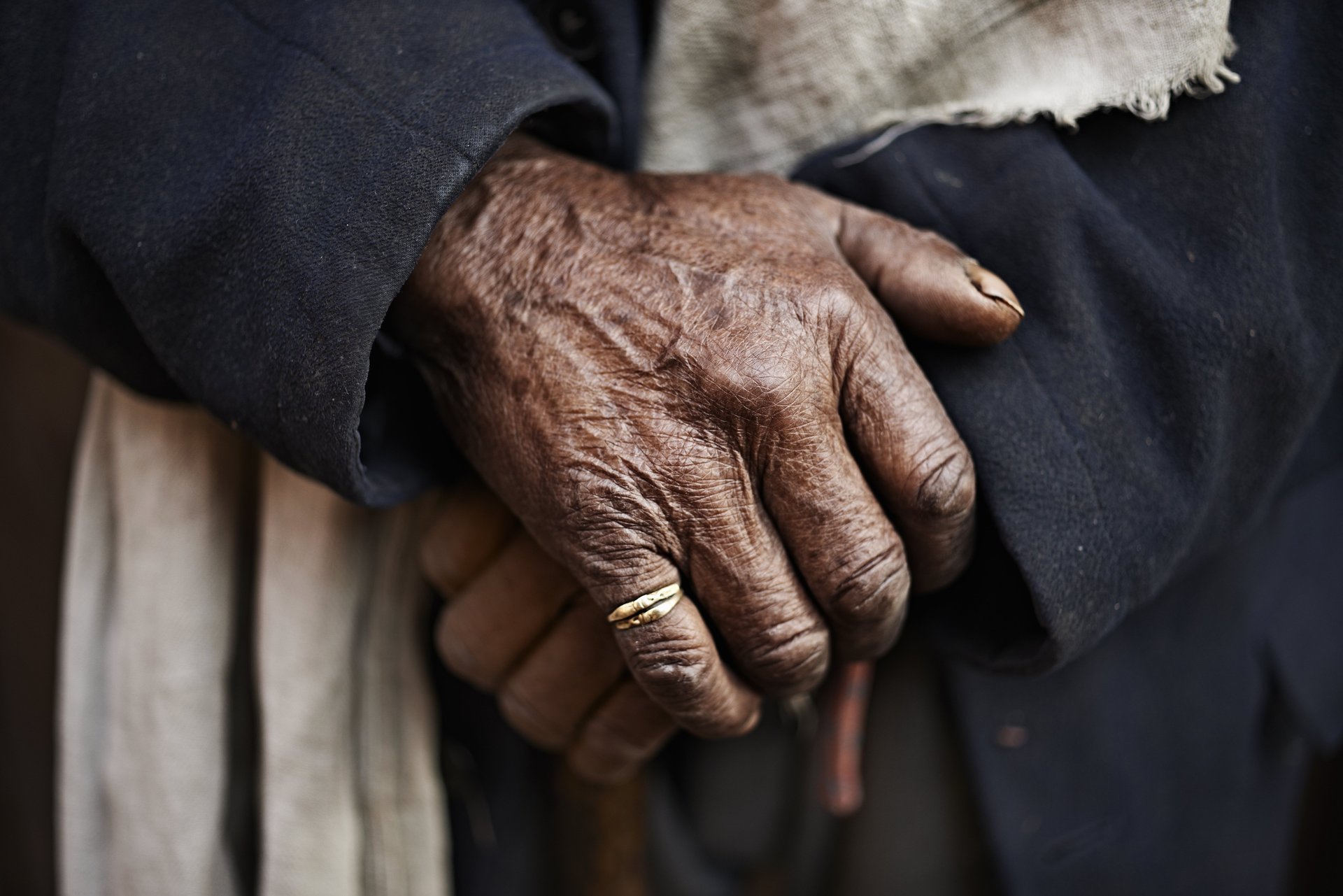
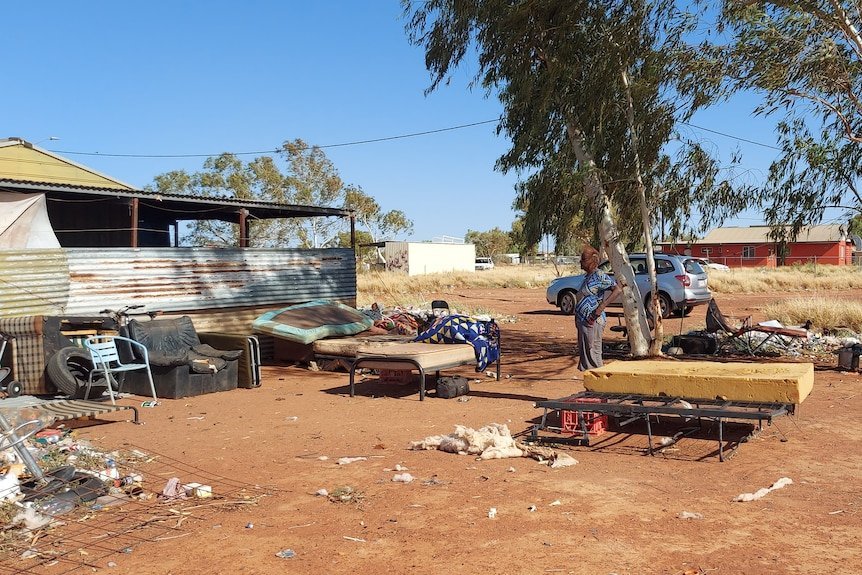
- He spent his final days sleeping on a mattress in his niece’s lounge room, breathing with the aid of oxygen tanks, after years of couch surfing and sleeping in cars.
- Advocates say the tragedy highlights the urgent need to refurbish dozens of boarded-up houses in the area, with over 400 people on the waiting list and 15% of public houses remaining vacant.
The story of Mr. McIntyre, a Wongatha man from Western Australia’s Goldfields, is a heartbreaking one.
Despite being on the “priority” list for public housing in Kalgoorlie-Boulder, he spent nearly three years sleeping in cars and on sofas, eventually succumbing to emphysema and lung cancer on February 6.
His family says the stress of his living arrangements took a significant toll on his health.
Mr.
McIntyre’s daughter, Patricia Blowes, described the difficult circumstances her family faced, including nights spent sleeping in their car with her daughter lying across her in the back seat.

“When we didn’t have anywhere to stay, we slept in the car with my father in the front seat and my daughter lying across me in the back seat,” she said.
The situation is not unique to Mr. McIntyre’s family.
According to the Department of Housing and Works, 235 applicants are “priority listed” for public housing across WA’s Goldfields, with many more waiting in limbo. The Goldfields Indigenous Housing Organisation (GIHO) has nearly 400 people on its waiting list, with overcrowding and couch surfing major problems in the area.
Housing advocates say the solution lies in refurbishing the dozens of boarded-up houses in Kalgoorlie-Boulder. “Just round the corner from where he suffered and died were boarded-up public houses, owned by the government,” said housing advocate Betsy Buchanan.
“Almost one in six public houses in the Goldfields is empty … the highest in the state.”
Analysis: What This Means for Australia
The tragic death of Mr. McIntyre highlights a broader issue of inadequate public housing and the devastating consequences it can have on individuals and families.
The fact that Mr.
McIntyre was on the “priority” list for nearly three years, yet still had to resort to couch surfing, raises serious questions about the efficiency and effectiveness of the public housing system in Western Australia.
Security analysts say the lack of affordable housing can have significant implications for community safety, with overcrowding and transience contributing to higher crime rates and social unrest.
Furthermore, the economic burden of maintaining a large public housing waiting list can be substantial, with the cost of providing temporary accommodation and supporting services piling up.
Law enforcement insiders warn that the situation can also have broader implications for public health, with the stress and uncertainty of living arrangements taking a toll on mental and physical wellbeing.
Industry observers believe that a more proactive approach to public housing, including investing in refurbishment and maintenance, could help alleviate the pressure on the system and provide a safer, more stable environment for vulnerable individuals and families.
As Patricia Blowes so poignantly put it, “I want the government not to turn its back, to take notice.
There are houses in Kalgoorlie that have been boarded up for little reason.” It’s time for policymakers to take a closer look at the public housing crisis in Western Australia and work towards providing a safer, more secure future for all Australians.