Monster Cyclone Narelle Set to Unleash Hell on Far North Queensland: What You Need to Know
- Cyclone Narelle is predicted to reach category five strength before making landfall in Far North Queensland, bringing destructive winds, heavy rain, and storm surges.
- This is the third severe weather system to threaten Queensland in less than two months, and residents are urged to prepare for the worst.
- The Bureau of Meteorology warns that tropical cyclones can be deadly, with storm surges capable of swamping low-lying areas and causing widespread destruction.
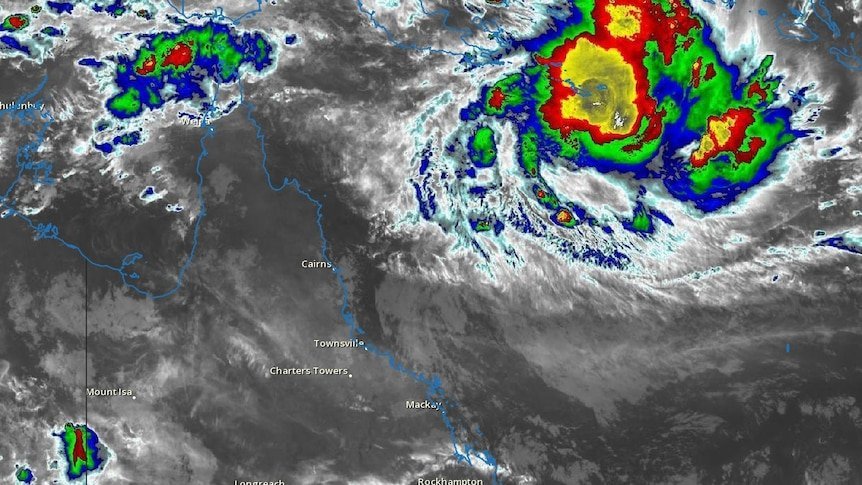
Cyclone Narelle has formed in the Coral Sea and is expected to intensify into a category five cyclone before making landfall over the Far North Queensland coast later this week.
As the system strengthens, residents are bracing for the worst, with the Queensland government issuing severe weather warnings and evacuation orders.
The severity of tropical cyclones is ranked in categories from 1 (the weakest) to 5 (the strongest), with category five cyclones being the most destructive. These monsters bring gale-force winds, heavy rainfall, and storm surges that can cause widespread destruction and loss of life.
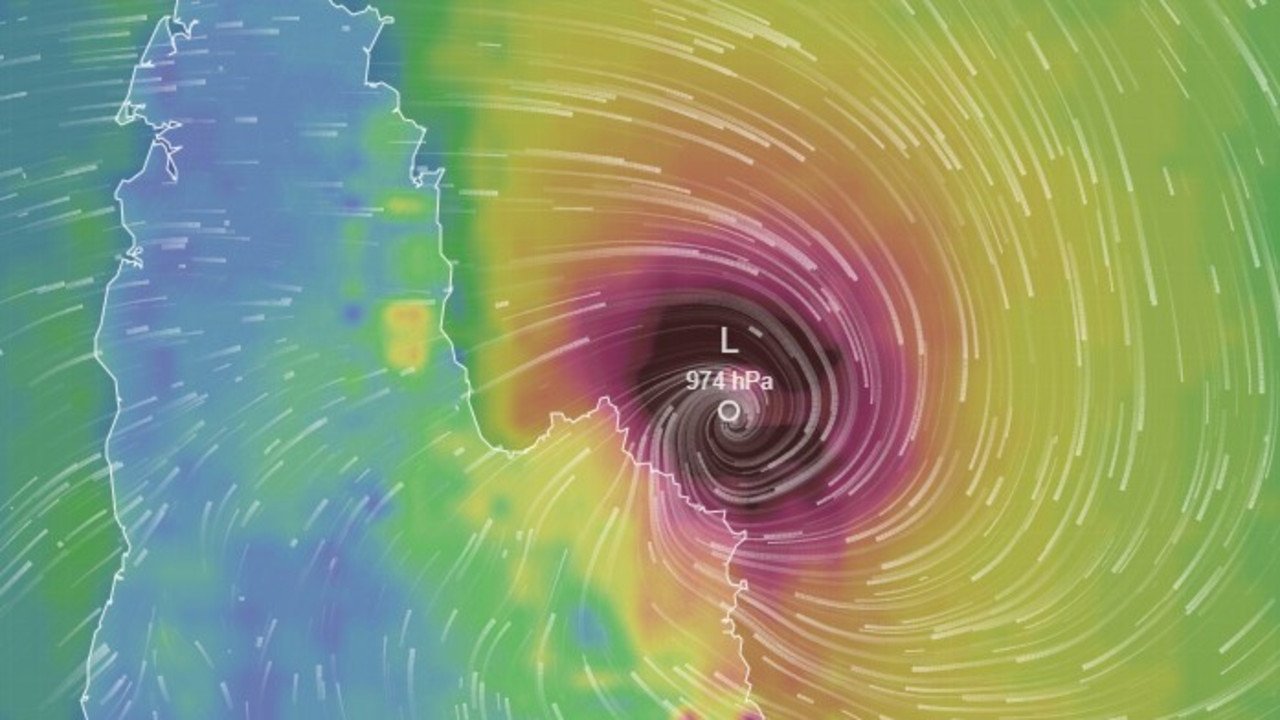
But what exactly defines a category five cyclone, and how rare are they? The Bureau of Meteorology defines a Category 5 cyclone as one that has maximum mean wind speeds of over 252 km/h.
These systems are extremely rare, with the last category five cyclone to make landfall in Queensland being Tropical Cyclone Marcia in 2015.




Analysis: What This Means for Australia
The impact of Cyclone Narelle on Australia cannot be overstated.
With the system expected to make landfall in Far North Queensland, residents are facing the very real threat of destructive winds, heavy rainfall, and storm surges.
The economic and social consequences of such an event are significant, with the potential for widespread destruction, loss of life, and displacement of communities.
Security analysts warn that the storm surge associated with Cyclone Narelle poses a significant threat to coastal communities, with the potential to swamp low-lying areas and cause widespread destruction.
The unpredictability of the cyclone’s path and intensity only adds to the uncertainty, making it essential for residents to be prepared for the worst.
Industry observers believe that the impact of Cyclone Narelle will be felt far beyond the immediate area, with the potential for disruptions to supply chains, infrastructure, and essential services.
The economic cost of such an event is likely to be significant, with the potential for widespread damage to property, infrastructure, and the environment.
In the face of such uncertainty, it’s essential for residents to prepare for the worst. This includes filling up cars, stocking up on supplies, and having a plan in place in case of evacuation.
By taking these steps, residents can minimize the risk to themselves and their families, and ensure that they are prepared for the aftermath of the cyclone.
As Cyclone Narelle bears down on Far North Queensland, one thing is clear: this is a storm that demands attention. With its predicted category five strength, the potential for destruction is very real.
It’s essential that residents take this storm seriously, and take all necessary precautions to ensure their safety.