Fuel Price Scandal: ACCC Launches Urgent Probe into Alleged Anti-Competitive Conduct by Big Oil Suppliers
- Major fuel suppliers Ampol, BP, Mobil, and Viva Energy under investigation for alleged anti-competitive behaviour in regional and rural Australia
- ACCC Chair Gina Cass-Gottlieb warns of “widespread concerns” over fuel pricing and supply issues during Middle Eastern conflict
- Drivers warned not to expect wave of prosecutions over price gouging allegations, but ACCC vows to act swiftly to enforce competition and consumer laws
The Australian Competition and Consumer Commission (ACCC) has launched an urgent investigation into allegations of anti-competitive conduct by major fuel suppliers in regional and rural Australia.
The watchdog is scrutinizing the conduct of Ampol, BP, Mobil, and Viva Energy, following reports of alleged anti-competitive behaviour in the diesel market.
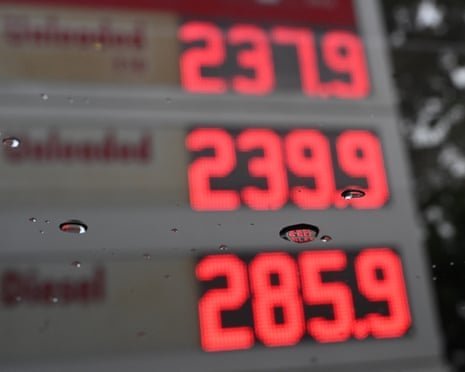
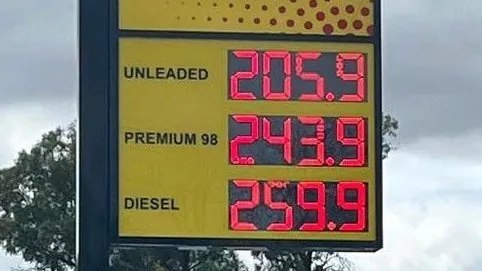
The ACCC’s move comes as drivers are reeling from massive price spikes at the bowser, with many accusing fuel companies of price gouging.
While the ACCC is yet to form a view on the allegations, its chair, Gina Cass-Gottlieb, has warned that the watchdog is “closely watching market conduct” and will not hesitate to act swiftly to enforce Australia’s competition and consumer laws.
The ACCC’s investigation is unusual in that it has publicly announced its probe, a move that underscores the significance of the issue.

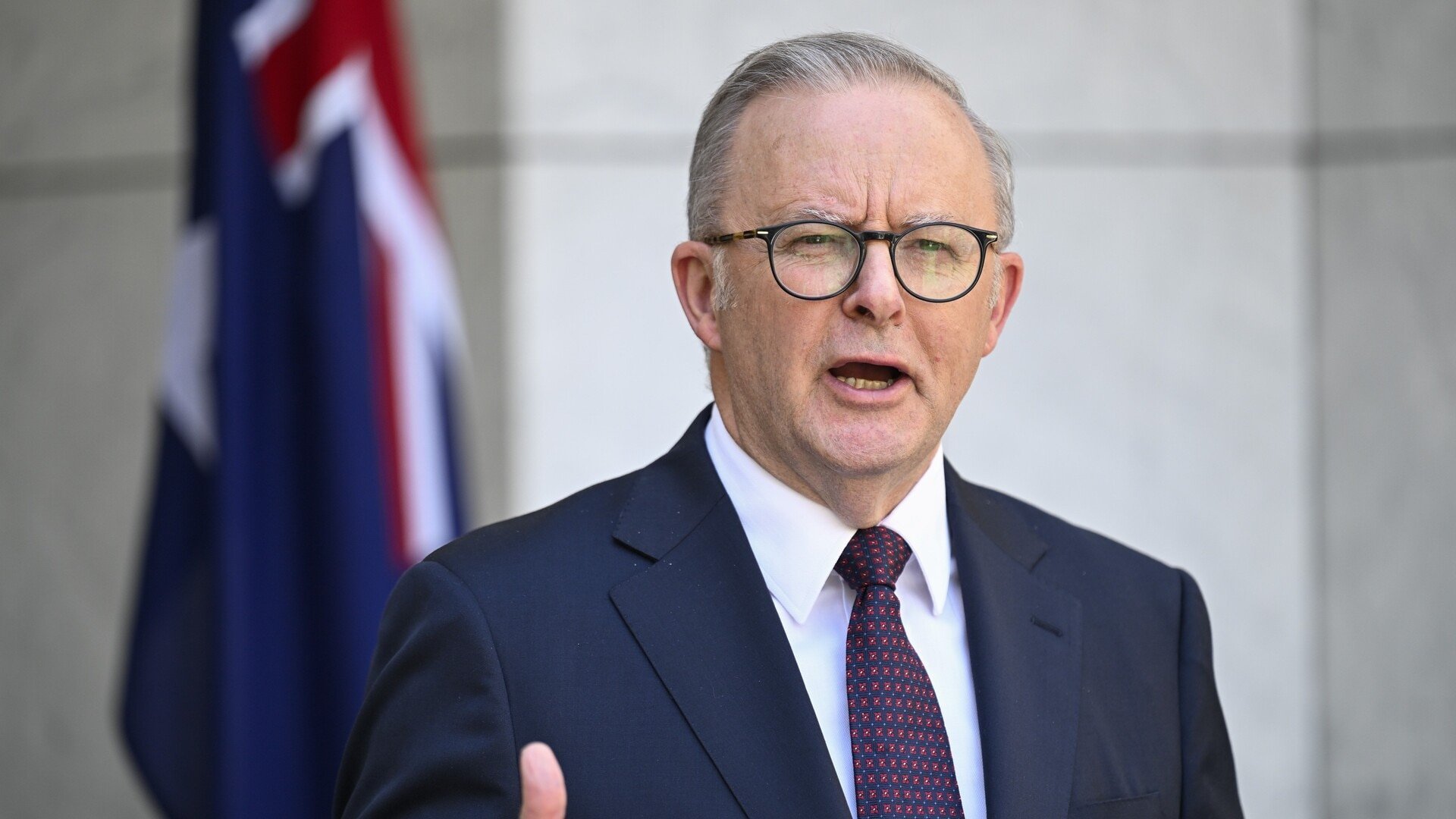

The watchdog has received reports of alleged anti-competitive behaviour, and its chair has acknowledged the “widespread concerns” held by consumers, businesses, and farmers about fuel pricing and supply issues arising during the Middle Eastern conflict.
The ACCC’s investigation is at a preliminary stage, and the watchdog has called an emergency meeting with the industry to justify its pricing. BP has confirmed that it is engaging with the ACCC, while Ampol, Mobil, and Viva Energy have been contacted for comment.
The development comes as Prime Minister Anthony Albanese announces the appointment of Anthea Harris as the federal government’s fuel supply task force coordinator.
Harris, the former head of the Australia Energy Regulator and former chief of the Energy Security Board, will oversee the government’s response to the fuel crisis.
According to a report released by the ACCC in November 2025, imports of petrol have increased over time as domestic fuel refining has reduced.
The report found that wholesale petrol sales in Australia are dominated by four major suppliers – Ampol, BP, ExxonMobil, and Viva Energy – which accounted for the majority of wholesale petrol sales in Australia and around 85 per cent of total national wholesale sales volumes between 2023 and 2024.
The ACCC’s investigation has significant implications for national security, law enforcement, and the economy.
Security analysts warn that the fuel crisis could exacerbate existing supply chain vulnerabilities, while law enforcement insiders express concerns about the potential for price gouging to fund criminal activity.
Analysis: What This Means for Australia
The ACCC’s investigation is a critical step in addressing the fuel crisis, but it also highlights deeper issues with Australia’s fuel market. The concentration of market power in the hands of a few major suppliers has created a system that is vulnerable to anti-competitive behaviour.
This has significant implications for national security, as it can exacerbate existing supply chain vulnerabilities and create opportunities for price gouging.
Industry observers believe that the ACCC’s investigation will have far-reaching consequences for the fuel industry, and could lead to greater transparency and accountability.
However, the probe also raises questions about the government’s role in regulating the fuel market, and whether it has done enough to prevent anti-competitive behaviour.
As the ACCC continues its investigation, one thing is clear: the fuel crisis is a complex issue that requires a comprehensive response.
The government must work with the industry and regulators to address the root causes of the crisis, and ensure that Australians are protected from price gouging and anti-competitive behaviour.