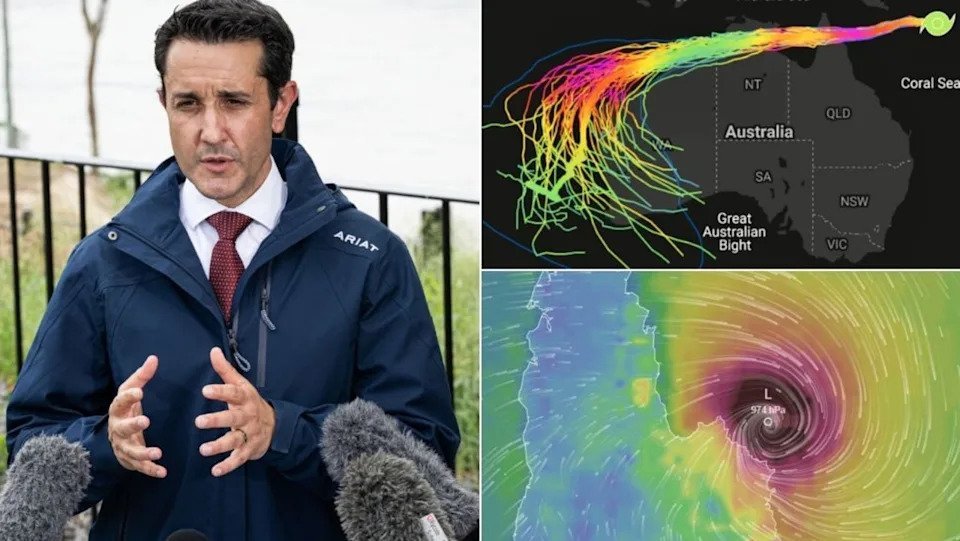
Cyclone Narelle: Australia Braces for Category 5 Storm as Far North Queensland Residents Urged to Prepare for ‘Fatal’ Consequences
- Category 5 Cyclone Narelle bears down on Far North Queensland, with winds of over 250km/h expected to cause widespread destruction
- Residents warned to prepare for “fatal” consequences, with authorities saying the storm’s impact could be catastrophic
- Evacuations underway in some areas, with authorities urging others to make a plan and take necessary precautions
The warnings are dire, and the clock is ticking.
Cyclone Narelle, a Category 5 storm, is hurtling towards the Far North Queensland coast, bringing with it winds of over 250km/h and the potential for catastrophic destruction.
Authorities are urging residents to prepare for the worst, with the Queensland Police Service state disaster co-ordinator, Chris Stream, warning that a lack of preparation could result in “fatal” consequences.
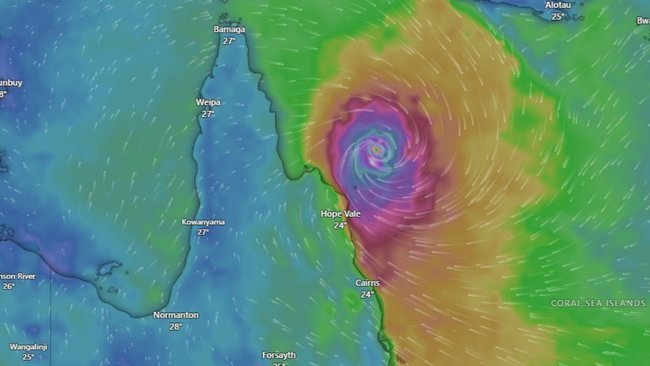
The destructive storm is expected to make landfall on Friday morning, bringing with it wind gusts that will blow apart sheds, caravans, and create airborne debris.
Stream stressed that the actions of individuals, families, and the wider community would have a significant impact on safety, and that it was crucial to take necessary precautions now.




Queensland Premier David Crisafulli said the window to prepare was closing quickly, and that residents needed to take the threat seriously. “If a category 5 system crosses the coast in this location, it’ll be the first time that’s happened in over 100 years,” he said.
“I know these communities are resilient, they’ve been here before, and they know what wind and a lot of rain looks like.
This is a serious system though and I’m asking people to take it seriously, because it is the kind of event that doesn’t happen all that often.”
The cyclone is expected to bring four major challenges: strong winds, heavy rainfall, flash flooding, and the potential for a storm surge. Authorities are warning of the potential for flash flooding, with rain expected to be significant and heavy falls in an already-saturated catchment providing challenges.
Evacuations have been carried out in some areas, including Port Stewart and Lizard Island, with only 10 people remaining on the latter.
Residents are being urged to decide on the safest place for them, whether that’s their own home, staying with friends and family, or the council’s community centre.
Additional police, paramedics, and other emergency crews have been moved into the state’s Far North, with recovery teams and Ergon workers also on the ground ahead of the widespread damage expected in the cyclone’s wake.
Eight schools have been closed, with those remaining in the warning zone expected to be closed on Friday.
Analysis: What This Means for Australia
As Cyclone Narelle bears down on Far North Queensland, the entire country is holding its breath. The storm’s impact will be felt far beyond the immediate area, with the potential for widespread destruction and disruption to critical infrastructure.
The economic impact will be significant, with the region’s tourism and agricultural industries likely to be hit hard.
But it’s not just the economic impact that’s at stake. The storm also raises serious questions about Australia’s preparedness for natural disasters.
As the climate continues to change, storms like Cyclone Narelle are likely to become more frequent and more intense.
It’s crucial that we take a long, hard look at our disaster response and preparedness measures to ensure that we’re doing everything we can to protect our communities.
Security analysts say that the storm also raises concerns about national security, with the potential for widespread disruption to critical infrastructure and the potential for looting and civil unrest.
Law enforcement insiders warn that the storm also presents a significant challenge for emergency services, with the potential for responders to be put in harm’s way.
Industry observers believe that the storm will have a major impact on the region’s economy, with the potential for widespread disruption to critical infrastructure and the potential for long-term damage to the region’s reputation as a tourist destination.