Fuel Crisis Taskforce Launched as Australia Braces for Economic Shockwaves from Middle East War
- Australia’s fuel supply hangs in the balance as global uncertainty sparks national taskforce
- Former energy regulator chief Anthea Harris to lead efforts to secure fuel supply and national resilience
- Inflation fears soar as treasurer warns of 5% jump if conflict drags on
- Regional and rural towns feel the pinch as fuel prices skyrocket
Australia is bracing for economic shockwaves from the Middle East war, with the federal government launching a national taskforce to secure the country’s fuel supply and national resilience.
The taskforce, led by former energy regulator chief Anthea Harris, comes as global uncertainty sparks fears of widespread fuel shortages and price hikes.
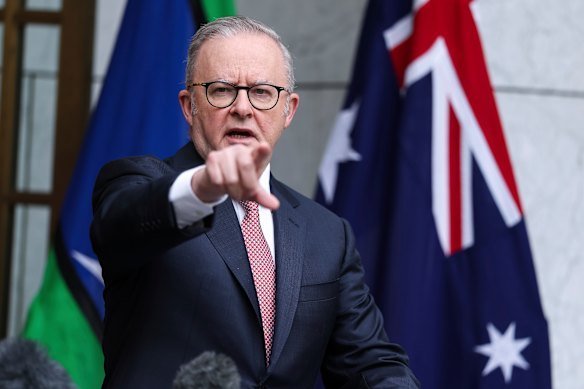
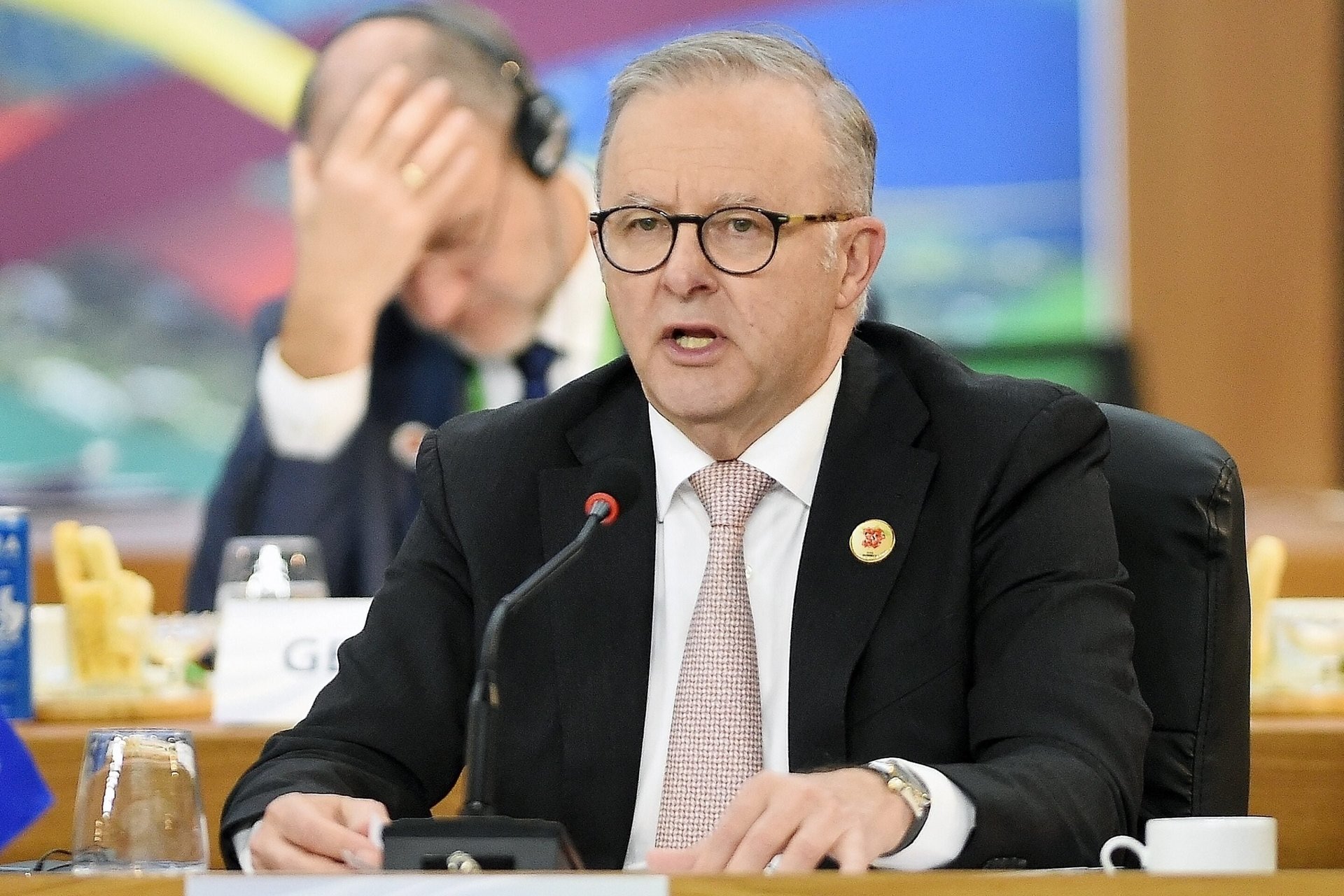
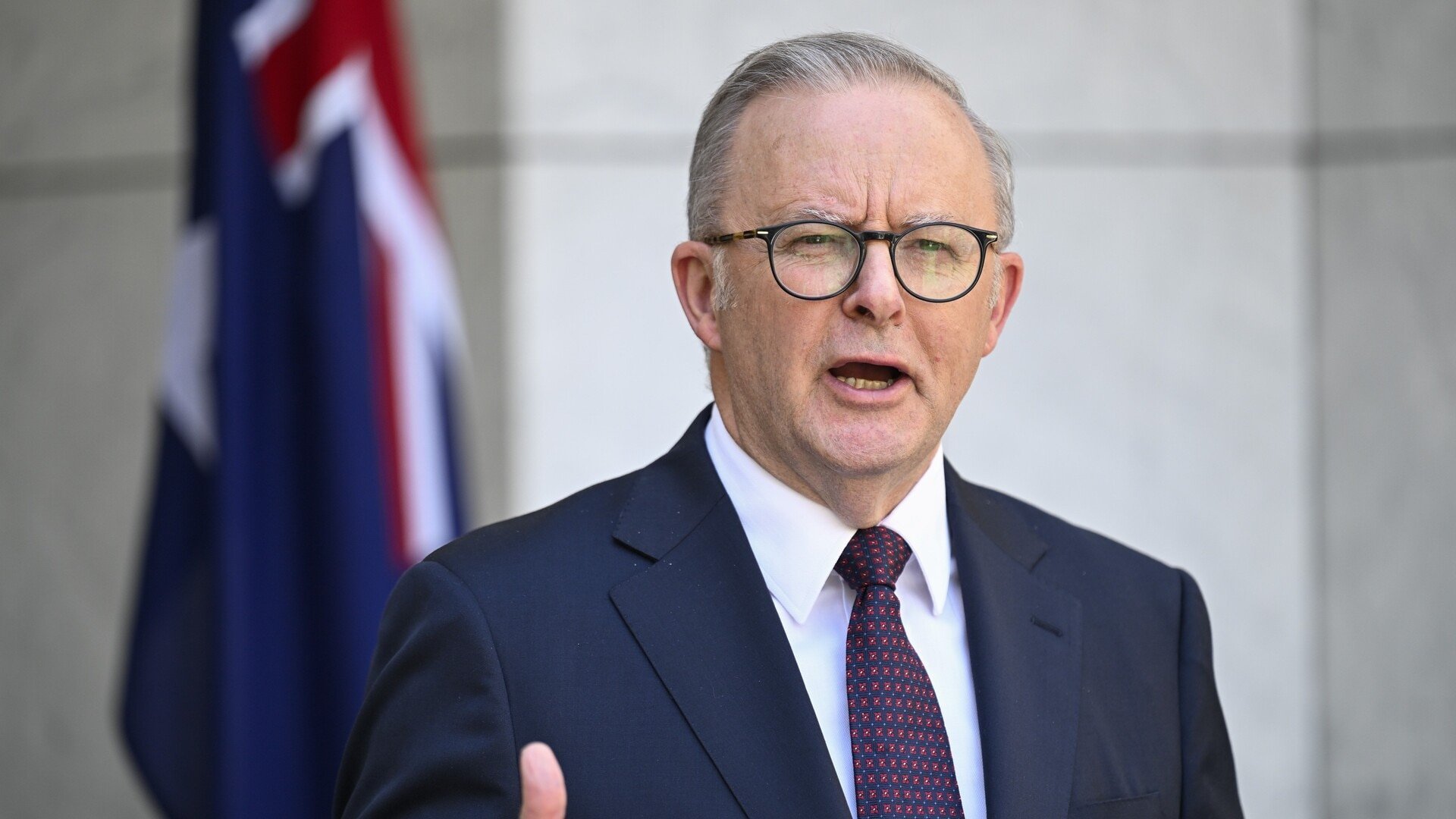
Prime Minister Anthony Albanese announced the taskforce, describing it as a “sensible measure” to ensure Australia is prepared for the worst. The move comes as the treasurer warns that a prolonged conflict could see inflation jump above 5%, sparking widespread economic uncertainty.
The taskforce will drive coordination between the federal and state and territory governments on matters of fuel supply and national resilience.
Harris, who was also previously chief executive of the Climate Change Authority, will provide regular updates on the outlook of supply and how fuel is being distributed domestically.
States and territory leaders will also appoint a representative each to work with Harris, with the taskforce coming under the Department of Prime Minister and Cabinet.
The move is seen as crucial in ensuring that Australia is “over-prepared” for the potential fallout from the conflict.
The war in the Middle East has already sparked a fuel crisis globally, with oil prices surging and fuel shortages reported in regional and rural towns across Australia.
The government has released about six days’ worth of petrol and five days of diesel from its emergency stockpile, and temporarily lowered fuel standards to allow onshore refineries to redirect supplies into the local market.
But the opposition has accused the government of not acting soon enough, with Labor leader Angus Taylor saying that the taskforce should be led by the minister and his team.
The ACCC has also launched an investigation into allegations of anti-competitive conduct in regional and rural Australia by major fuel suppliers Ampol, BP, Mobil, and Viva Energy.
Analysis: What This Means for Australia
The launch of the national taskforce is a clear indication that the government is taking the fuel crisis seriously. But as the conflict in the Middle East continues to escalate, the question on everyone’s mind is: what does this mean for Australia?
Security analysts say that a prolonged conflict could have far-reaching implications for national security, with the potential for widespread fuel shortages and price hikes sparking social unrest and economic instability.
Law enforcement insiders warn that the crisis could also lead to an increase in fuel-related crime, such as theft and hoarding.
Industry observers believe that the taskforce is a step in the right direction, but more needs to be done to address the root causes of the crisis.
With fuel prices already skyrocketing, the government must take decisive action to ensure that Australians are protected from the worst of the economic fallout.
As the situation continues to unfold, one thing is clear: the fuel crisis is a critical issue that requires a coordinated and decisive response from the government.
With the national taskforce now in place, the focus turns to the government’s ability to deliver on its promise to secure Australia’s fuel supply and national resilience.