‘Game-Changing’ Suggestion: Aussie Journalist Stuns World Leader with Daring Plan to Stop War and Tame Trump
- Finnish President Alexander Stubb left speechless by Australian reporter Latika Bourke’s bold proposal to deal with US President Donald Trump
- Bourke suggests Europe offer support in Iran in exchange for help in Ukraine, leaving Stubb impressed and considering the idea
- The daring plan comes as Trump pushes for a naval coalition to re-open the Strait of Hormuz, amid soaring oil prices and global fuel costs
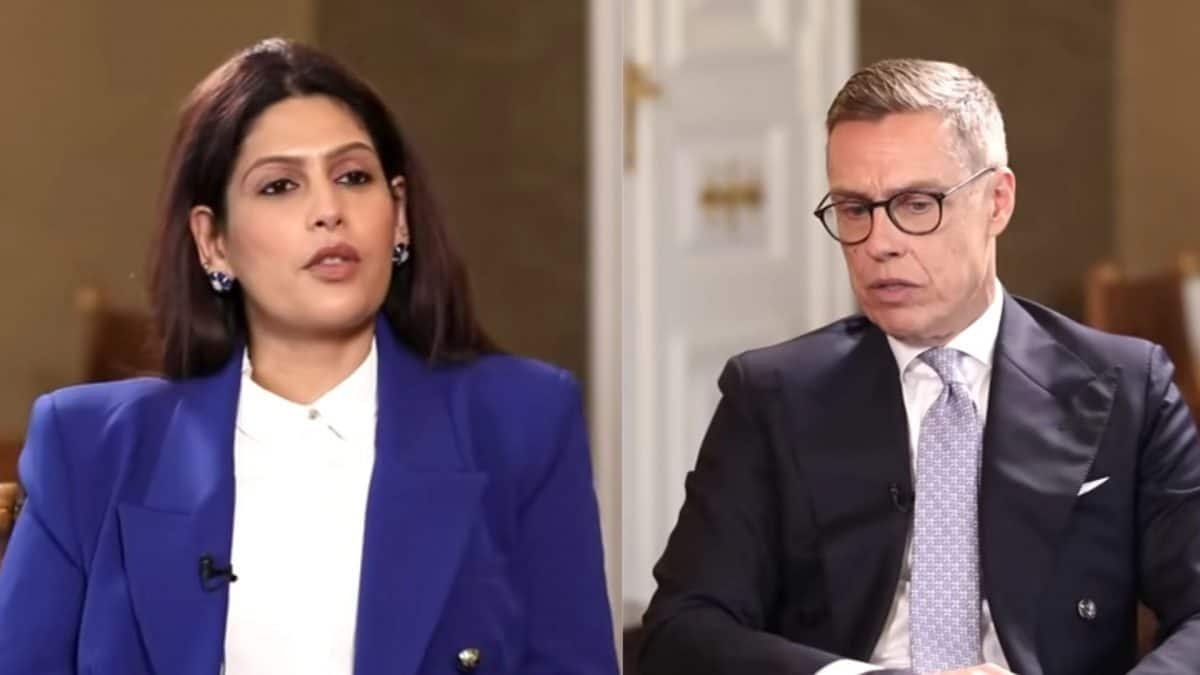
In a stunning moment of journalistic bravado, Australian reporter Latika Bourke left Finnish President Alexander Stubb visibly stunned with a daring plan to deal with US President Donald Trump and potentially stop war in its tracks.
The exchange has sent shockwaves through the global political community, with many hailing it as a “game-changing” suggestion.
The dramatic scene unfolded during a question-and-answer session at London’s Chatham House think tank, where Bourke posed a bold question to Stubb: “Why doesn’t Europe go to Trump and say, if you want assistance in the Gulf, here’s what we want you to do on Ukraine?” The Finnish leader was taken aback, pausing silently for a moment before responding, “I think that’s a really good idea, I might pick you up on that.”
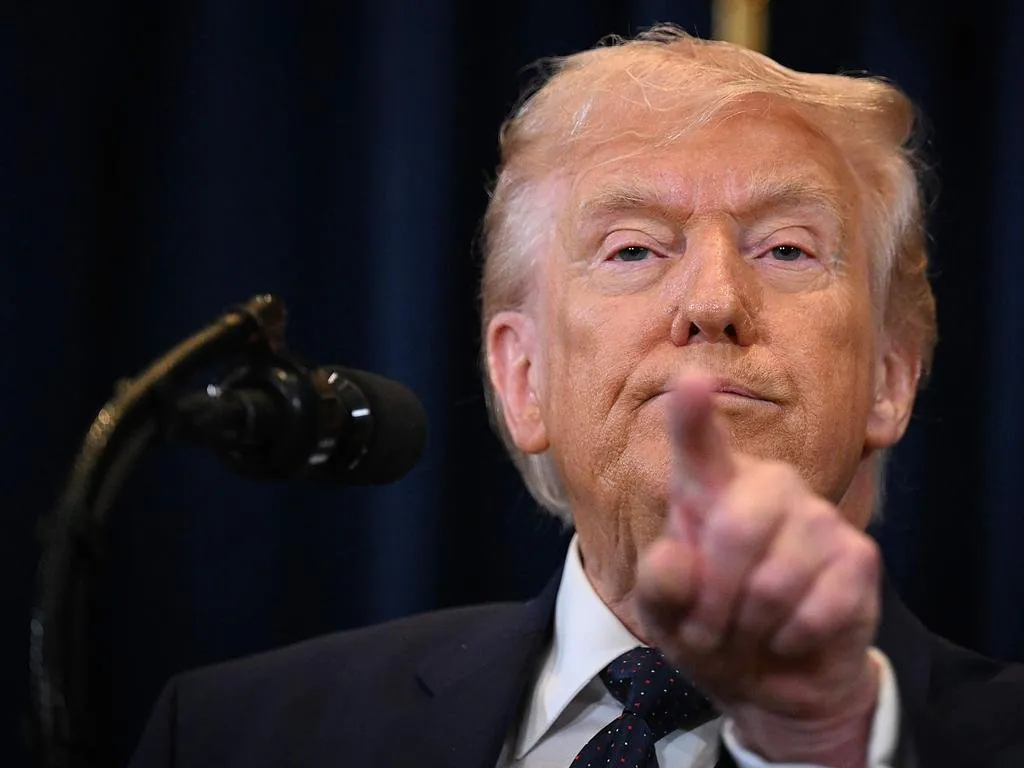
The suggestion is a daring one, given the current state of global politics.
With the war between US-Israeli forces and Iran entering its third week, Brent crude prices have soared above $US100 a barrel, spiking fuel costs globally and prompting emergency measures.
Trump has pushed for a naval coalition to re-open the crucial Strait of Hormuz, but so far, no country has committed to sending ships. Australia has explicitly ruled out participating, and other nations are wary of getting involved.
Stubb’s response to Bourke’s suggestion is significant, given his close relationship with Trump.
The two leaders golfed and lunched together at Mar-a-Lago in March 2025, and Stubb has since acted as a point of contact for the White House in Europe.
However, on Tuesday, he downplayed his ability to influence the US President, saying, “I have no illusions about who can convince President Trump on anything… If I get one idea out of 10 in on Ukraine, I think it’s good.”
The stakes are high, with the war in Iran distracting from and diminishing support for Ukraine’s defence against Russia.
The Russo-Ukraine war, now in its fourth year, has become a grinding conflict of attrition since Moscow launched a full-scale invasion in February 2022.
Russia controls roughly 20 per cent of Ukrainian territory, while Kyiv continues to rely heavily on Western military aid to sustain its defence.
Analysis: What This Means for Australia
The implications of Bourke’s suggestion are far-reaching, and could have significant consequences for Australia’s national security and economic interests.
If Europe were to offer support in Iran in exchange for help in Ukraine, it could potentially divert attention and resources away from the Middle East and towards Eastern Europe.
This could lead to a shift in the global balance of power, with Australia potentially finding itself caught in the middle.
Security analysts say that Australia’s decision to rule out participating in Trump’s naval coalition may have been a wise move, given the country’s limited military resources and the potential risks involved.
However, if Europe were to take a more active role in supporting Ukraine, it could put pressure on Australia to re-evaluate its stance and consider providing more substantial support to its allies.
Industry observers believe that the surging energy prices and loosened sanctions on Russian oil could also boost Russia’s war effort, adding to export revenue and potentially prolonging the conflict.
This could have significant economic consequences for Australia, which is heavily reliant on trade with Europe and the US.
As the situation continues to unfold, one thing is clear: Latika Bourke’s bold suggestion has sent a shockwave through the global political community, and its implications will be felt for months to come.