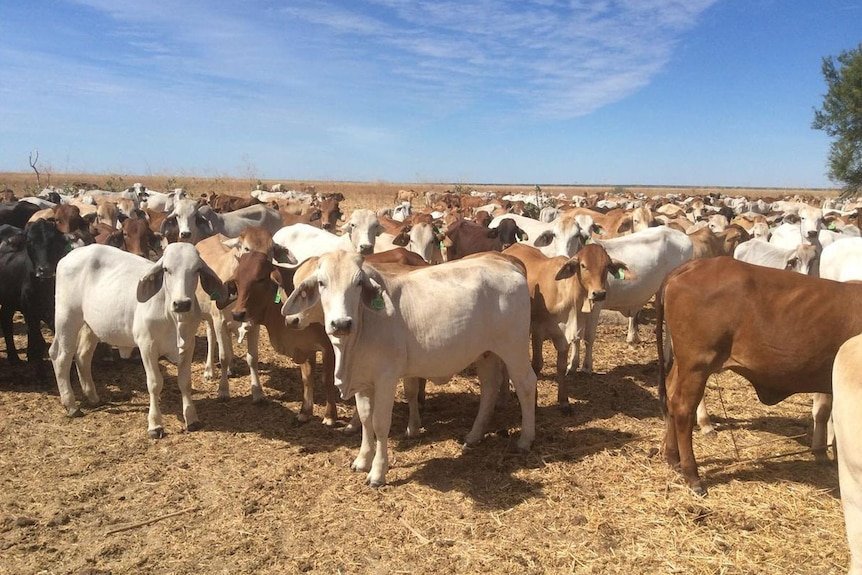
Argentinian Tycoons Snap Up Fabled Aroona Station for $44 Million, Strengthening Grip on Northern Territory’s Cattle Industry
- Argentinian family’s Cross Pacific Investments buys 147,510-hectare Aroona Station for $44 million, including 15,000 head of cattle and equipment.
- The Buratovich family now controls over 756,000 hectares of NT land, making them a dominant player in the region’s cattle industry.
- The sale marks a significant shift in the NT’s agricultural landscape, with the family’s focus on broadacre cropping set to transform the region’s economy.
- Aroona Station, once owned by Gina Rinehart, has changed hands multiple times in recent years, with the latest sale sparking concerns about foreign ownership and land use.
The Northern Territory’s cattle industry has just received a massive boost with the sale of Aroona Station to Argentinian-backed Cross Pacific Investments for a whopping $44 million.
The deal, finalized on March 10, marks a significant milestone in the region’s agricultural landscape, with the Buratovich family’s investment set to transform the local economy.
The 147,510-hectare property, located on the Victoria Highway about 90 kilometres south-west of Katherine, was sold with 15,000 head of cattle and equipment, making it one of the largest cattle stations in the NT.
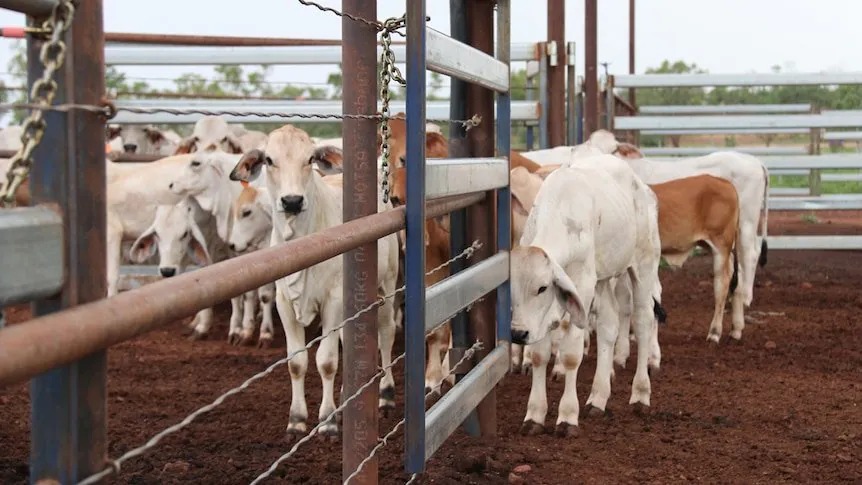
The Buratovich family, which runs major broadacre cropping operations across South America and the US, has been steadily expanding its presence in the NT, with this latest purchase bringing its total portfolio to around 756,000 hectares.
Aroona Station, once owned by mining magnate Gina Rinehart, has had a chequered past, changing hands multiple times in recent years. In 2017, Rinehart’s company Hancock Prospecting acquired the property for $13.5 million, investing over $3 million in improvements, including a digital mobile radio system.




However, Rinehart sold the station to the South Australian DiGiorgio family in 2021 for $22.75 million, who held it until the latest sale.
The Buratovich family’s entry into the NT cattle industry is significant, given their extensive experience in broadacre cropping. When they acquired their other NT stations in 2019, the family indicated that cropping would be the priority, rather than cattle.
This shift in focus could have far-reaching implications for the region’s economy, with the potential to create new jobs and stimulate local growth.
Security analysts say the sale highlights the growing trend of foreign investment in Australian agriculture, with concerns about land use and ownership increasingly coming to the fore.
“The sale of Aroona Station to an Argentinian-backed company raises important questions about the long-term implications for the NT’s cattle industry and the broader Australian economy,” said one analyst.
“As foreign investment in our agricultural sector continues to grow, it’s essential that we have robust regulations in place to ensure the interests of local communities and the environment are protected.”
Analysis: What This Means for Australia
The sale of Aroona Station to Cross Pacific Investments has significant implications for national security, law enforcement, and the NT’s cattle industry.
The growing presence of foreign investors in Australian agriculture raises concerns about the potential for external influence over our food supply chain and the long-term impact on local communities.
As the NT’s cattle industry continues to evolve, it’s essential that policymakers and industry stakeholders work together to ensure that the interests of Australian farmers, workers, and the environment are protected.
Industry observers believe that the Buratovich family’s investment in Aroona Station will lead to increased efficiency and productivity in the NT’s cattle industry, with the potential to create new jobs and stimulate local growth.
However, they also warn that the shift towards broadacre cropping could have unintended consequences for the region’s biodiversity and water resources.
“The NT’s cattle industry is at a critical juncture, and it’s essential that we get the balance right between economic growth and environmental sustainability,” said one expert.