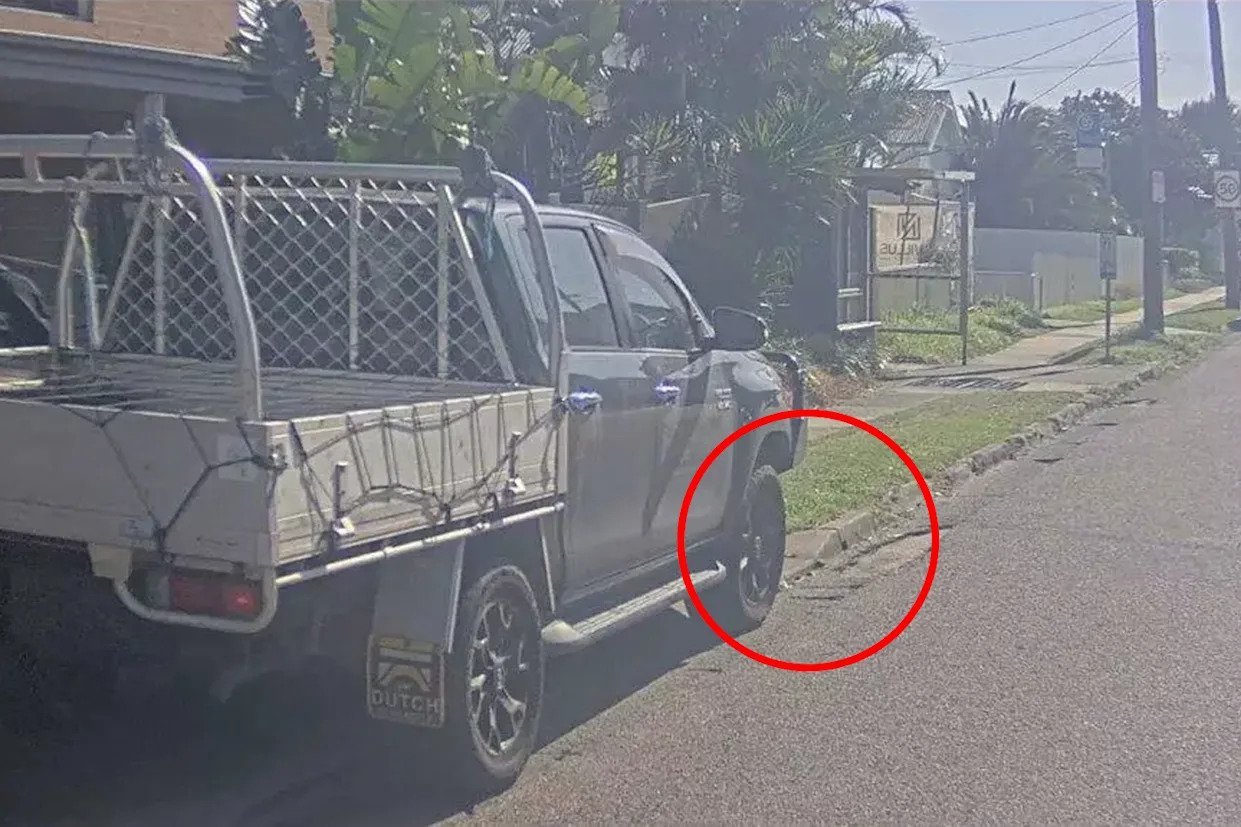
‘Parking Vigilantes’ Take Matters into Their Own Hands: Aussies Using App to Report Neighbours’ Dodgy Parking, Sparking Heated Debate
- Fed-up Aussies are using an app to dob in neighbours for parking in disabled zones, on footpaths, and across driveways, with reports surging by up to 849% in some areas.
- The app, Snap Send Solve, has been downloaded over 1 million times, with over 120,000 people in NSW and Victoria reporting poor parking last year alone.
- The trend has sparked a heated debate, with some calling for tougher action against parking offenders, while others blame a lack of parking spaces and larger vehicle sizes.
- Experts warn that illegal parking is not only a frustration, but also a safety risk, particularly for people with disabilities and pram-pushing parents.
In a phenomenon that’s being dubbed ‘parking vigilantism’, frustrated Aussies are taking matters into their own hands by using a popular app to report their neighbours’ dodgy parking.
The trend has sparked a heated debate, with some calling for tougher action against parking offenders, while others blame a lack of parking spaces and larger vehicle sizes.
The app, Snap Send Solve, was designed to help identify and fix minor issues in the community, but users are increasingly using it to report people for poor parking.
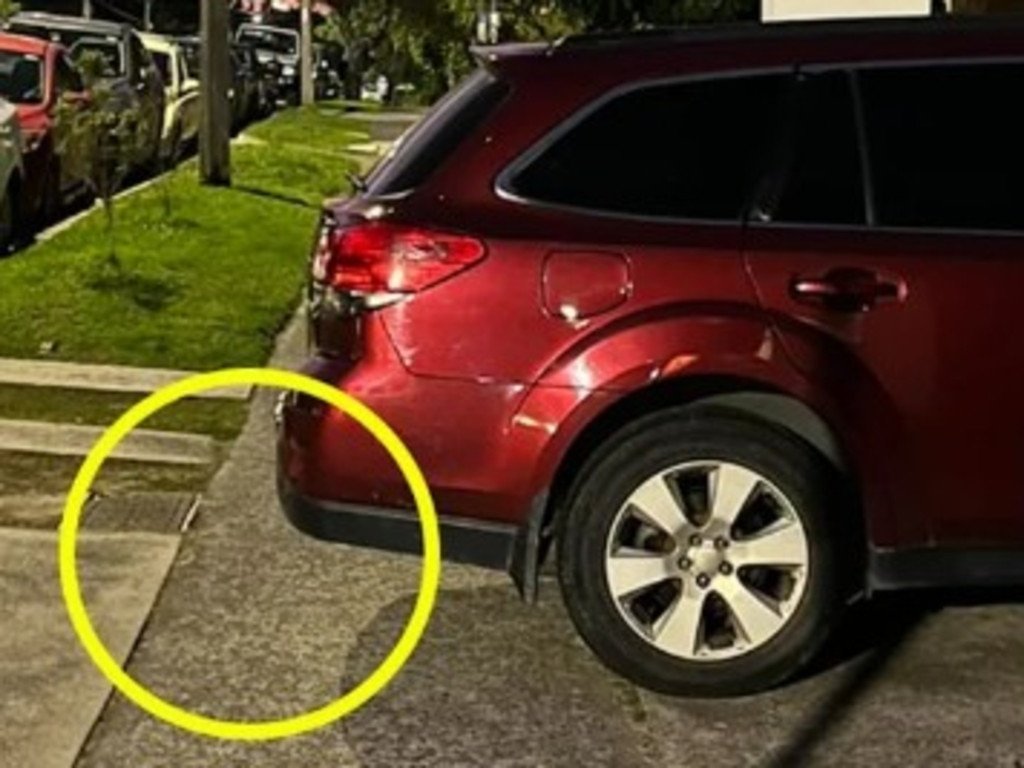
The app works by alerting relevant authorities, such as local councils, about problems such as blocked paths, but it does not issue fines.
According to Snap Send Solve’s CEO, Danny Gorog, more than 120,000 people in NSW and Victoria used the app to report poor parking last year, with reports surging by up to 849% in some areas.




“Illegal parking continues to be a growing frustration across Australia, with issues like blocked driveways, cars parked in no-standing zones, and vehicles overstaying time limits creating daily challenges,” he said.
The app’s Facebook page is loaded with comments from people frustrated by parking infringements, with large vehicles being a regular source of annoyance.
Some users are quick to deride “ride” drivers who don’t have “the right to block the footpath”, while others are more understanding, citing smaller house blocks, narrower streets, and bigger cars as contributing factors.
Security analysts say that illegal parking is not only a frustration, but also a safety risk, particularly for people with disabilities and pram-pushing parents.
“Many of us might be able to sidestep rubbish on the footpath, but that’s not so easy if you’re in a wheelchair or walking with a pram,” Gorog said.
Analysis: What This Means for Australia
The rise of ‘parking vigilantism’ highlights a broader issue with Australia’s urban planning and infrastructure. As our cities become increasingly congested, parking spaces are becoming scarce, leading to frustration and anger among drivers.
However, it also raises questions about community responsibility and the role of technology in addressing social issues.
Law enforcement insiders warn that the trend could lead to a surge in fines and penalties for drivers, but it also presents an opportunity for councils and governments to rethink their approach to urban planning and parking infrastructure.
“This is a wake-up call for our cities to get their act together and provide better parking options for residents,” said one insider.
Industry observers believe that the trend is also a reflection of changing community values, with people becoming more willing to take action and hold others accountable for their actions.
“This is about more than just parking – it’s about community standards and respect for others,” said one expert.
As the debate continues, one thing is clear: the rise of ‘parking vigilantism’ is a symptom of a larger issue that requires a comprehensive solution. It’s time for our cities to take a closer look at their parking infrastructure and for drivers to take responsibility for their actions.