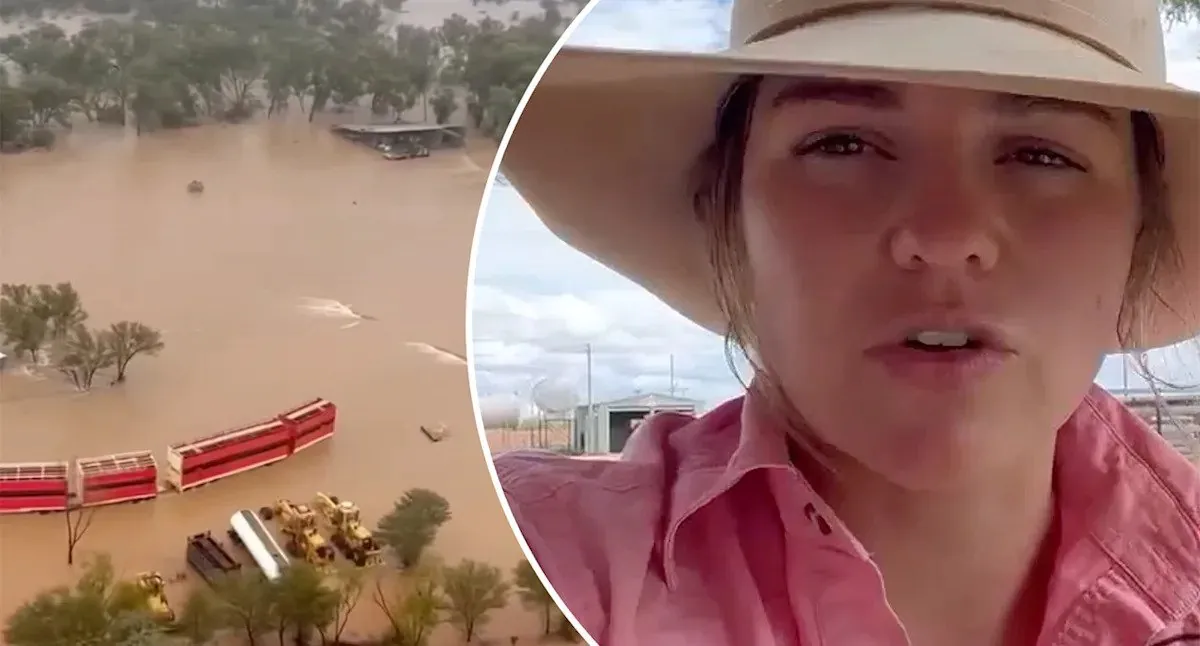
Flood-Ravaged Northern Territory Communities Demand Answers as Warning Systems Fail to Protect
- Flood-hit communities in Katherine, Daly River, and Darwin River slam government agencies for inadequate warning systems, leaving them vulnerable to devastating floods.
- The Bureau of Meteorology’s weather radar was down in the lead up to the flood, leaving residents without crucial information on the impending disaster.
- Residents and business owners are calling for improved flood warning infrastructure, including reviving old methods like sirens along riverbanks.
The recent floods in the Northern Territory have left a trail of destruction, and the communities of Katherine, Daly River, and Darwin River are demanding answers.
The lack of adequate warning systems has been cited as a major contributor to the devastation, with many residents and business owners left to fend for themselves in the face of disaster.
Warren de With, owner of a local fishing and tackle shop in Katherine, was one of the few who managed to prepare for the flood. He had been monitoring the river and rain gauges, which indicated major flooding was imminent.
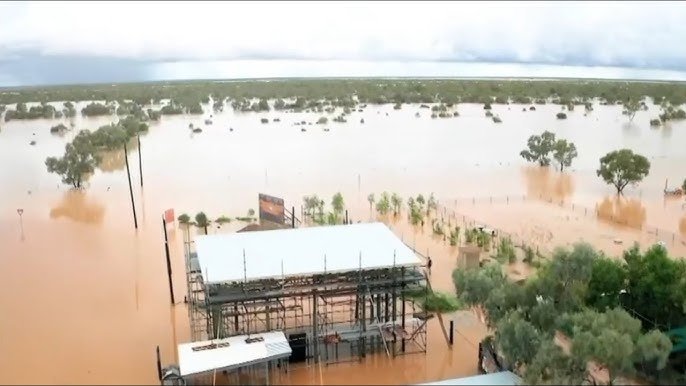
However, he believes that many others were not as fortunate, and that the Bureau of Meteorology’s weather radar being down in the lead up to the flood was a major hindrance.
The floods have brought to light the inadequacies of the current warning systems, with many residents complaining that they received little to no warning before the floods hit.




The Nauiyu/Daly River and Palumpa communities were airlifted out by helicopter and plane, while residents in Darwin River had to swim their children to safety through crocodile-inhabited waters.
NT Cattlemen’s Association chief executive Romy Carey has received similar reports from across the region, with many producers waking up to find themselves in the midst of a flood.
She believes that the lack of adequate warning systems is a major issue, and that the Bureau of Meteorology’s radar being down was a critical failure.
In response to the criticism, the Bureau of Meteorology has promised to upgrade 25 of the NT’s measuring gauges by the second half of 2026. The government has also announced plans to implement a new federal government AusAlert mobile phone emergency alert system later this year.
Analysis: What This Means for Australia
The floods in the Northern Territory have highlighted the need for improved warning systems and infrastructure to protect communities from natural disasters.
As the country faces more frequent and intense weather events, it is essential that governments and agencies take proactive steps to ensure the safety of citizens.
The lack of adequate warning systems not only puts lives at risk but also has significant economic and social consequences.
Security analysts say that the failure of the warning systems in the Northern Territory has exposed vulnerabilities in the country’s disaster response infrastructure. The government’s response to the floods will be closely watched, and any further failures could have significant implications for national security and public trust.
Industry observers believe that the upgrades promised by the Bureau of Meteorology are a step in the right direction, but more needs to be done to address the gaps in the current system.
The implementation of the AusAlert system is also a positive development, but its effectiveness will depend on its ability to provide timely and accurate warnings to those in need.
As the country faces more frequent and intense weather events, it is essential that governments and agencies prioritize the safety and well-being of citizens.
The floods in the Northern Territory are a wake-up call, and it is crucial that we learn from this disaster to build a more resilient and prepared nation.