Australia Joins Global Allies in Pledge to Protect Strait of Hormuz Amid Rising Tensions with Iran
- Australia joins US allies in committing to ensure safe passage of ships through Strait of Hormuz
- Iran’s attacks on commercial ships and “de facto closure” of the strait sparks international concern
- Global energy supply chains at risk as one-fifth of the world’s oil transits through the strait
- Australia’s commitment comes after US President Donald Trump’s criticism of allies for not contributing to defensive efforts
Australia has joined a coalition of international allies in pledging to contribute to efforts ensuring safe passage of ships through the Strait of Hormuz, a critical waterway that sees one-fifth of the world’s oil transit through it.
The move comes amid rising tensions with Iran, which has been accused of attacking commercial ships and effectively closing the strait.
The joint statement, issued on March 19, condemned Iran’s actions and called for a moratorium on attacks on civilian infrastructure, including oil and gas installations.

The statement was updated on Sunday to include commitments from Australia, as well as New Zealand, Estonia, Romania, Sweden, Norway, Bahrain, and the United Arab Emirates.
The Strait of Hormuz is a vital waterway that connects the Persian Gulf to the Gulf of Oman, providing a critical passage for oil tankers and cargo ships.

The strait’s closure would have significant implications for global energy supply chains and international trade. The International Energy Agency has authorised a coordinated release of strategic petroleum reserves to mitigate the impact of disruptions to the strait.
Australia’s commitment to contribute to efforts ensuring safe passage through the strait comes after Defence Minister Richard Marles and Transport Minister Catherine King stated that Australia had not received a request from the United States to send warships to the region.
However, Marles and King noted that Australia was providing aircraft to assist with defence in the United Arab Emirates, given the number of Australians in the area.
US President Donald Trump has been critical of US allies, including Australia, South Korea, and Japan, for not contributing more to defensive efforts in the region.
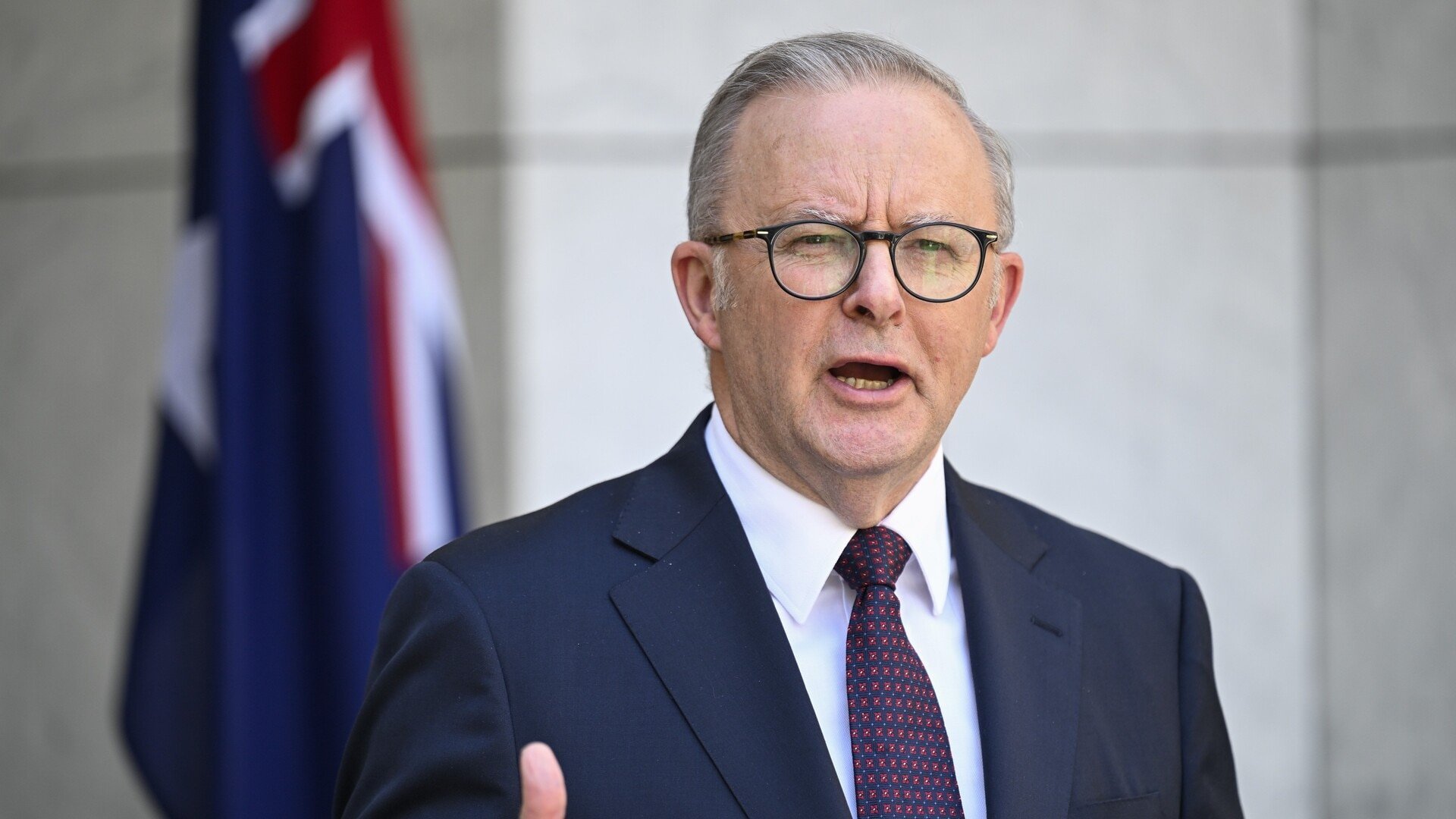
Trump told Sky News that he was “very surprised” that Australian Prime Minister Anthony Albanese did not send troops to the Middle East, adding that he would like allies to “get involved”.
Analysis: What This Means for Australia
Australia’s decision to join the international coalition sends a strong message to Iran that the country will not tolerate disruptions to global trade and energy supply chains.
However, the move also raises questions about Australia’s military commitments in the region and the potential risks involved in getting embroiled in a conflict with Iran.
Security analysts say that Australia’s contribution to the coalition is a necessary step to ensure the country’s national security and economic interests.
Law enforcement insiders warn that the Strait of Hormuz’s closure would have significant implications for Australia’s energy security, given the country’s reliance on imported oil. Industry observers believe that the joint statement is a critical step towards de-escalating tensions in the region and ensuring the free flow of trade.