‘Work from Home or Face Fuel Chaos’: Government Urges Australians to Take Action as Petrol Stocks Plummet
- Australians warned to work from home to ease demand for fuel as petrol stocks dwindle to 38 days
- Energy Minister Chris Bowen says working from home is a “sensible thing to do” to offset severe oil shortage
- Fuel rationing not ruled out, but only as a last resort in extreme circumstances
Australians are being told to work from home where possible to avoid fuel chaos, as the government struggles to cope with a severe oil shortage sparked by the Middle East conflict.
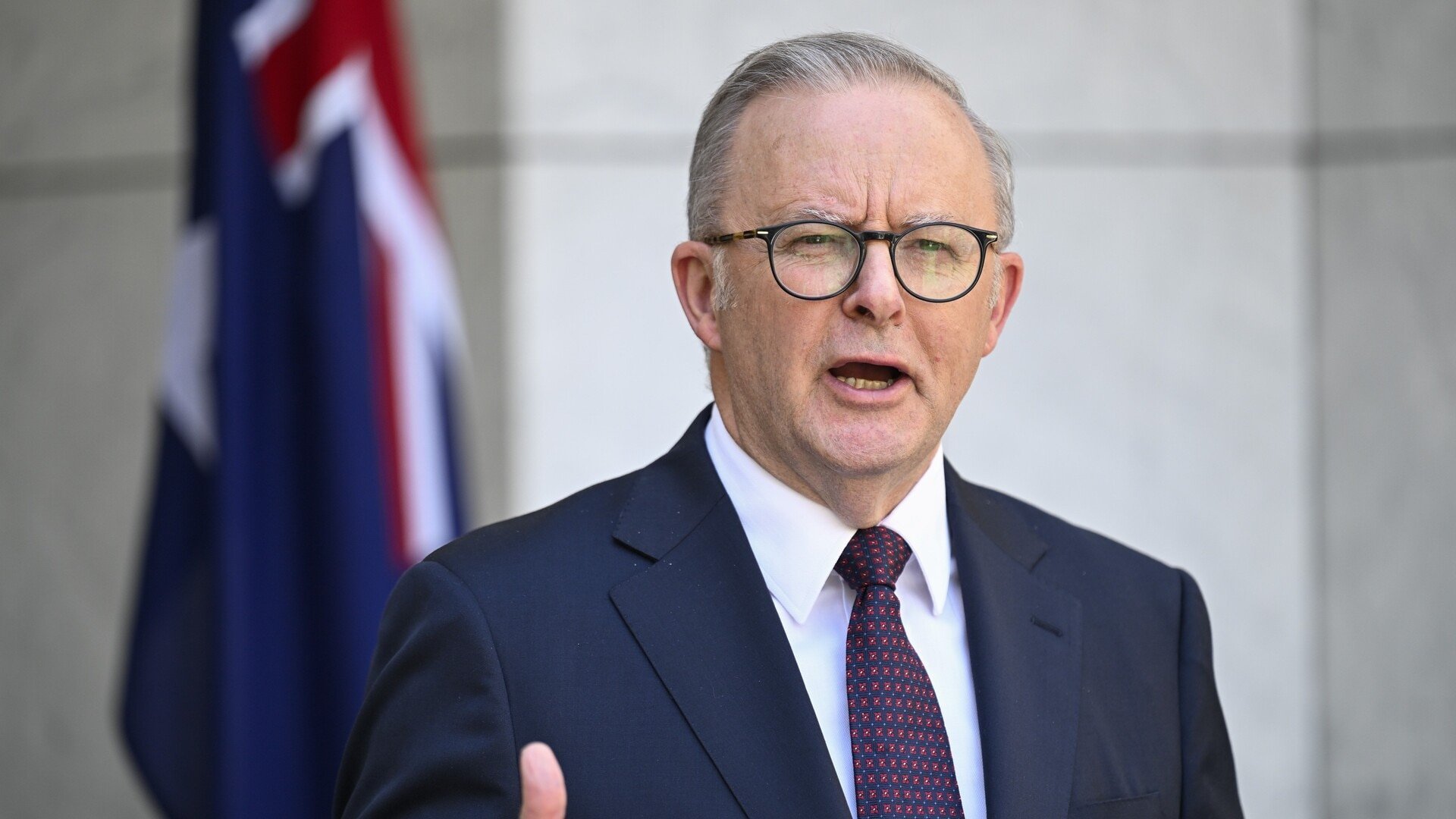
Energy Minister Chris Bowen has urged Australians to take action, saying that working from home is a “sensible thing to do” to ease demand for fuel.
The world’s energy sector watchdog has also suggested that Australians consider working from home, avoiding travel, and driving 10 km/h slower to offset the shortage.

The Albanese Government has repeatedly stressed that Australia has a demand problem, not a supply problem, with panic buying fuelling shortages.
According to Mr Bowen, petrol stocks have “gone up a little bit” to 38 days’ worth, while diesel and jet fuel supplies are both steady at 30 days.


However, he acknowledged that distribution challenges, especially in regional areas, remain a major concern.
The regional areas are where the supply chain is the hardest to manage. It takes longer to get from Geelong and Brisbane to the various regional areas,” Mr Bowen said.
Fuel rationing is not expected in the short term, but Mr Bowen did not rule it out entirely. “The National Fuel Emergency Act of 1984 has never been invoked — not through the first two Gulf Wars or Covid,” he said.
“It’s not designed to be invoked lightly.
It primarily has powers related to defence and health, in the first instance, to ensure that those key areas are getting the diesel that they need, but also other forms of fuel.”
Mr Bowen explained that any decision to trigger the act would require strong advice. “I wouldn’t exercise those quite remarkable powers unless I had pretty strong advice that it was necessary in the circumstances,” he said.
Analysis: What This Means for Australia
The fuel shortage has significant implications for national security, with the government forced to consider drastic measures to ensure that key sectors such as defence and health receive the fuel they need.
The economic consequences are also severe, with the shortage already affecting businesses and households across the country.
Security analysts say that the shortage highlights the need for Australia to diversify its energy sources and reduce its reliance on imported fuel. “This shortage is a wake-up call for Australia to invest in renewable energy and reduce its dependence on foreign oil,” said one expert.
Law enforcement insiders warn that the shortage could lead to an increase in fuel theft and other crimes, as desperate motorists turn to illegal means to get their hands on fuel.
“We’re already seeing reports of fuel theft and hijackings, and it’s only going to get worse unless we take action,” said one senior police officer.
Industry observers believe that the shortage will lead to higher prices at the pump, which could have a devastating impact on low-income households and small businesses.
“This shortage is going to hurt the most vulnerable members of our society, and the government needs to take urgent action to mitigate the effects,” said one industry expert.