
Australia’s Fuel Crisis: Six Tankers Cancelled as War in Iran Threatens to Cripple Our Petrol Supply
- Fuel shipments to Australia in jeopardy as six tankers cancelled or deferred amid Iran war
- Energy Minister Chris Bowen warns of “bumps” in supply, but says fuel rationing is a last resort
- Australia’s fuel reserves contain just 38 days’ worth of petrol, leaving the country vulnerable to supply chain disruptions
The ongoing war in Iran has sent shockwaves through Australia’s fuel supply chain, with six tankers scheduled to deliver oil to our shores next month cancelled or deferred.
Energy Minister Chris Bowen has warned that while the government is confident that fuel supplies will arrive largely as scheduled until mid-April, there may be “bumps” in supply beyond that.
Out of about 81 ships expected to arrive between mid-April and mid-May, six have been cancelled or deferred, sparking concerns about the country’s fuel security.
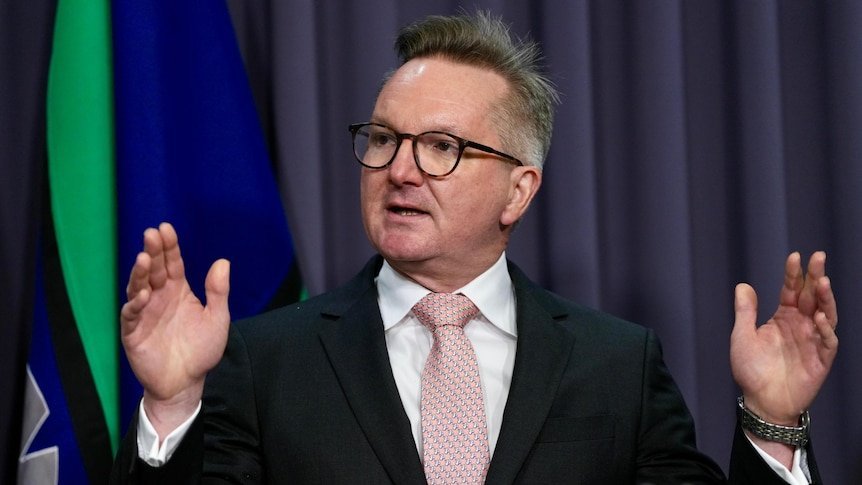
However, Mr Bowen said that about 74 others are still expected to arrive, and that the government has contingencies in place to deal with any supply shortages.
The Middle East conflict has disrupted the global oil supply, with Iran’s blockade of the Strait of Hormuz cutting off about a fifth of the world’s oil supply.


This has had a ripple effect on Asian refineries that ship to Australia, with China and Thailand banning fuel exports to prioritise their own supplies.
Despite the challenges, Mr Bowen said that fuel rationing is a last resort and that the government is “a long way” from implementing such measures.
He urged Australians to buy only the fuel they need, saying supply issues in isolated spots in the regions had been driven purely by a spike in demand from customers.
Analysis: What This Means for Australia
The cancellation of six fuel tankers is a worrying sign for Australia’s fuel security.
With the country’s fuel reserves containing just 38 days’ worth of petrol, 30 days’ worth of diesel, and 30 days’ worth of jet fuel, we are vulnerable to supply chain disruptions.
The government’s contingency plans may not be enough to mitigate the impact of a prolonged conflict in the Middle East.
Security analysts say that Australia’s reliance on imported fuel makes us susceptible to global supply chain disruptions.
The country’s fuel reserves are not sufficient to meet demand in the event of a prolonged supply shortage, leaving us at the mercy of international events.
Law enforcement insiders warn that the shortage of fuel could lead to a black market for petrol, with criminal organisations taking advantage of the situation to profit from illegal fuel sales.
This could have serious implications for public safety and national security.
Industry observers believe that the government’s decision to urge Australians to buy only the fuel they need is a sign of the gravity of the situation.
With fuel prices already soaring, the economic impact of a prolonged supply shortage could be devastating.
As the situation continues to unfold, one thing is clear: Australia’s fuel security is under threat, and the government must take urgent action to mitigate the risks and ensure that our fuel supply chain is secure.