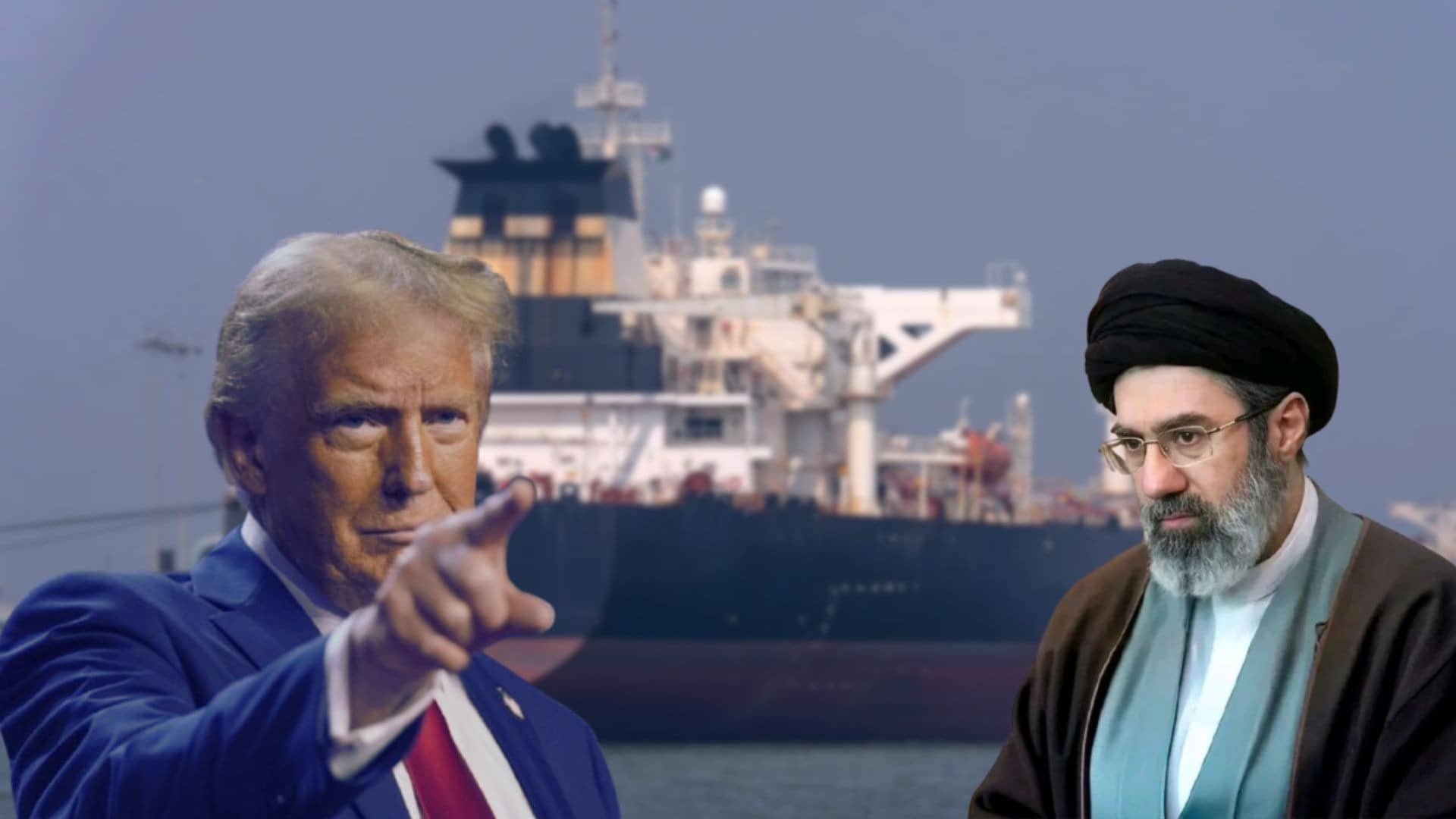
Trump’s 48-Hour Ultimatum: US Threatens to “Obliterate” Iran’s Power Plants as Strait of Hormuz Crisis Escalates
- US President Donald Trump demands Iran reopen the Strait of Hormuz within 48 hours, or face devastating consequences
- Iran retaliates with ballistic missile strikes on Israeli cities, injuring dozens of civilians, including children
- Global markets reel as China’s strategic foresight in renewable energy may turn crisis into an advantage
The world teeters on the brink of chaos as the US and Iran engage in a high-stakes game of brinksmanship over the Strait of Hormuz.
In a dramatic escalation, US President Donald Trump has given Iran a 48-hour deadline to reopen the vital waterway, warning that failure to comply will result in the “obliteration” of Iran’s power plants.
The threat comes as Iran launches ballistic missile strikes on Israeli cities, injuring dozens of civilians, including children.
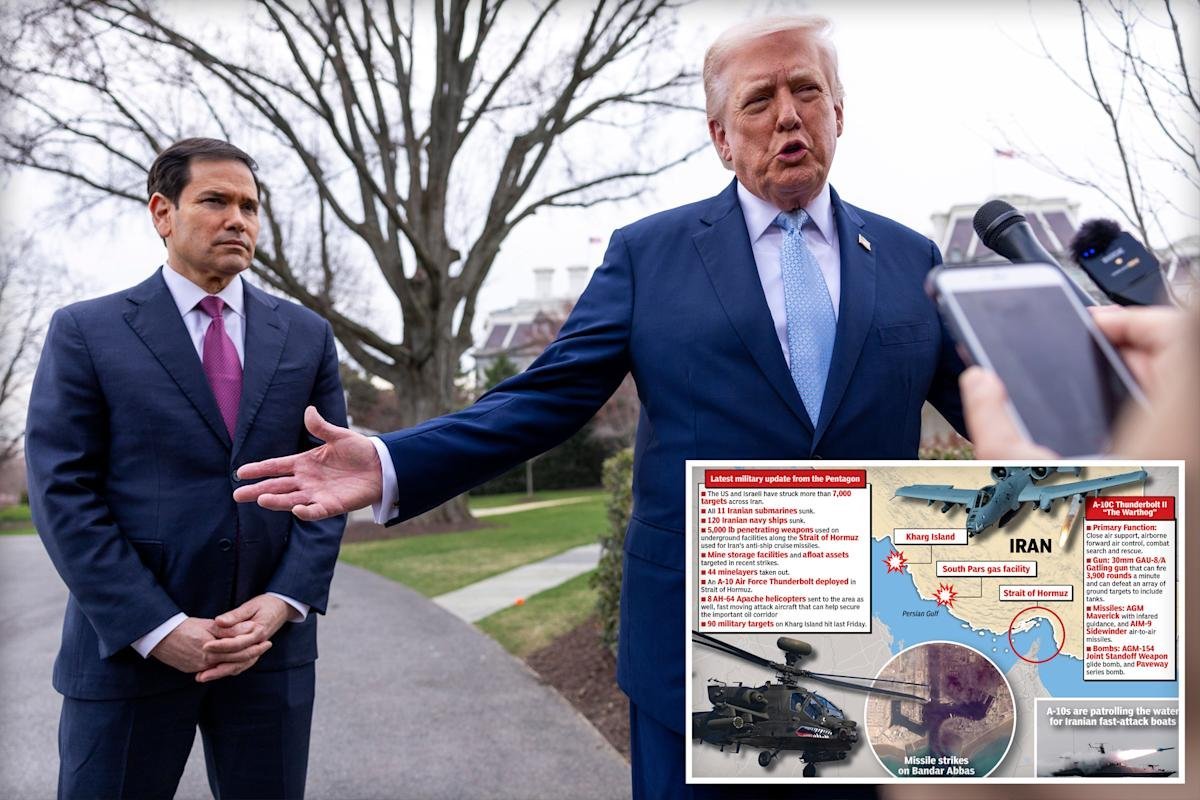
The crisis has sent global markets into a tailspin, with oil prices surging and economies around the world bracing for the impact.
However, China’s early investment in renewable energy and electrification may prove a silver lining, as the country is less reliant on oil imports and better positioned to weather the storm.


In the midst of the chaos, civilians have captured harrowing footage of the Iranian missile strikes on the Israeli city of Dimona, which injured dozens of people, including children.
The strikes have been condemned by the Israeli government as a clear act of terrorism and a war crime.
As the situation continues to deteriorate, the US and Israel have launched joint strikes on Iran, targeting sites used to produce critical components for ballistic missiles and a complex belonging to the Ministry of Defence responsible for producing rocket fuel.
The IDF has also reported a wave of attacks in Tehran, with buildings damaged and rubble lining the streets.
Analysis: What This Means for Australia
The crisis in the Strait of Hormuz has far-reaching implications for Australia’s national security and economy. As a major importer of oil, Australia is heavily reliant on the stability of global energy markets.
The closure of the Strait of Hormuz would have a devastating impact on our economy, with fuel prices skyrocketing and supply chains disrupted.
Security analysts warn that the crisis also poses a significant threat to Australia’s national security, as the country’s reliance on imported oil makes it vulnerable to supply chain disruptions and price shocks.
Furthermore, the escalating tensions between the US and Iran increase the risk of a wider conflict, which could draw in Australia and other regional powers.
Experts believe that Australia’s strategic interest lies in maintaining a stable and secure energy supply, and that the country must diversify its energy sources to reduce its reliance on imported oil.
This crisis serves as a stark reminder of the need for Australia to invest in renewable energy and reduce its dependence on fossil fuels.
Industry observers note that the crisis has already had an impact on Australia’s energy market, with six fuel tankers scheduled to deliver oil to Australia next month cancelled or deferred.
While Energy Minister Chris Bowen has assured that supply is secure, there are concerns about the long-term implications of the crisis for Australia’s energy security.
As the situation continues to unfold, one thing is clear: the crisis in the Strait of Hormuz poses a significant threat to global stability and Australia’s national interests.
It is imperative that Australia takes a proactive role in promoting regional security and stability, while also investing in a sustainable and secure energy future.