
Tragedy at Sea: Body of Missing Fisherman Found Off Tasmania’s Coast After Boat Capsizes, Leaving Three Survivors
- A 35-year-old man’s body was found on Monday after a boating accident off Tasmania’s far north-west coast on Saturday evening
- Three survivors, including a six-year-old child, were rescued on Sunday after spending 16 hours in the water
- The tragedy has sparked a warning about the importance of wearing life jackets, as the deceased was not wearing one when he was thrown overboard
The small coastal community of Tasmania’s far north-west is reeling after a devastating boating accident claimed the life of a 35-year-old man. The tragedy occurred on Saturday evening when a boat carrying four people, including a young family, capsized in rough seas.
While three survivors were rescued on Sunday, the body of the fourth person was found on Monday, sparking an outpouring of grief and a stark reminder of the importance of maritime safety.
The ill-fated fishing trip began on Saturday evening when the 35-year-old man, along with a 33-year-old man, a 27-year-old woman, and a six-year-old child, set off from the Montagu boat ramp west of Smithton.
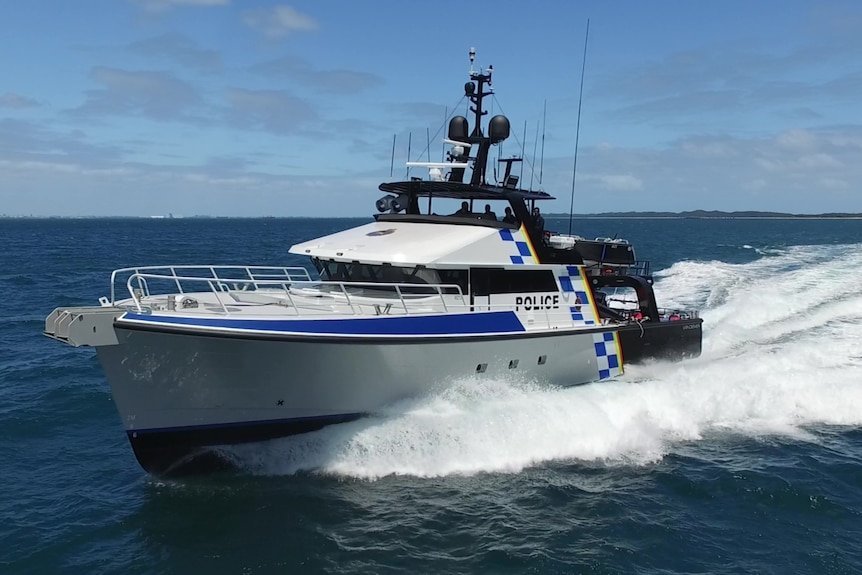
However, by around 9 pm, disaster struck when their boat capsized, throwing all four into the water.
The three survivors, who were wearing life jackets, were washed ashore on Big Stony Island, north of Robbins Island, and were rescued some 16 hours later on Sunday.




Tragically, the 35-year-old man, who was friends with the family, was not so lucky.
Despite initial reports suggesting he was wearing a life jacket, it is believed he had removed it at some point, leaving him vulnerable to the unforgiving sea.
An extensive air and water search was conducted to try and find him, but his body was only discovered on Monday morning on the eastern side of Robbins Island.
Analysis: What This Means for Australia
This tragic event serves as a stark reminder of the importance of maritime safety and the devastating consequences of not taking necessary precautions. The fact that the three survivors were wearing life jackets undoubtedly saved their lives, highlighting the crucial role they play in preventing fatalities at sea.
As authorities continue to investigate the incident, questions will be raised about the preparedness of recreational fishermen and the need for greater awareness campaigns to educate the public about the dangers of the sea.
Security analysts say that incidents like this also underscore the need for improved emergency response systems, particularly in remote coastal areas where access to medical assistance may be limited.
Furthermore, the incident raises concerns about the preparedness of Australia’s coastal communities to respond to maritime emergencies, and the need for more resources and funding to support search and rescue operations.
Industry observers believe that this tragedy will spark a renewed focus on maritime safety, with calls for more stringent safety regulations and greater investment in safety education programs.
As the investigation into this incident continues, it is clear that the lessons learned will have far-reaching implications for Australia’s maritime industry and the safety of those who venture out to sea.