Fuel Fears: Panic Buying Worsens as Australia Grapples with Supply Chain Crisis
- Federal Minister for Climate Change and Energy Chris Bowen says domestic fuel shortages are largely driven by panic buying
- Australia’s fuel supply remains strong, with 38 days’ worth of petrol and 30 days’ worth of diesel and jet fuel
- Government urges Australians to stop panic buying, warning it’s causing distribution challenges, particularly in regional areas
The federal government is urging Australians to stop panic buying fuel, warning that it’s exacerbating distribution challenges and worsening the country’s supply chain crisis.
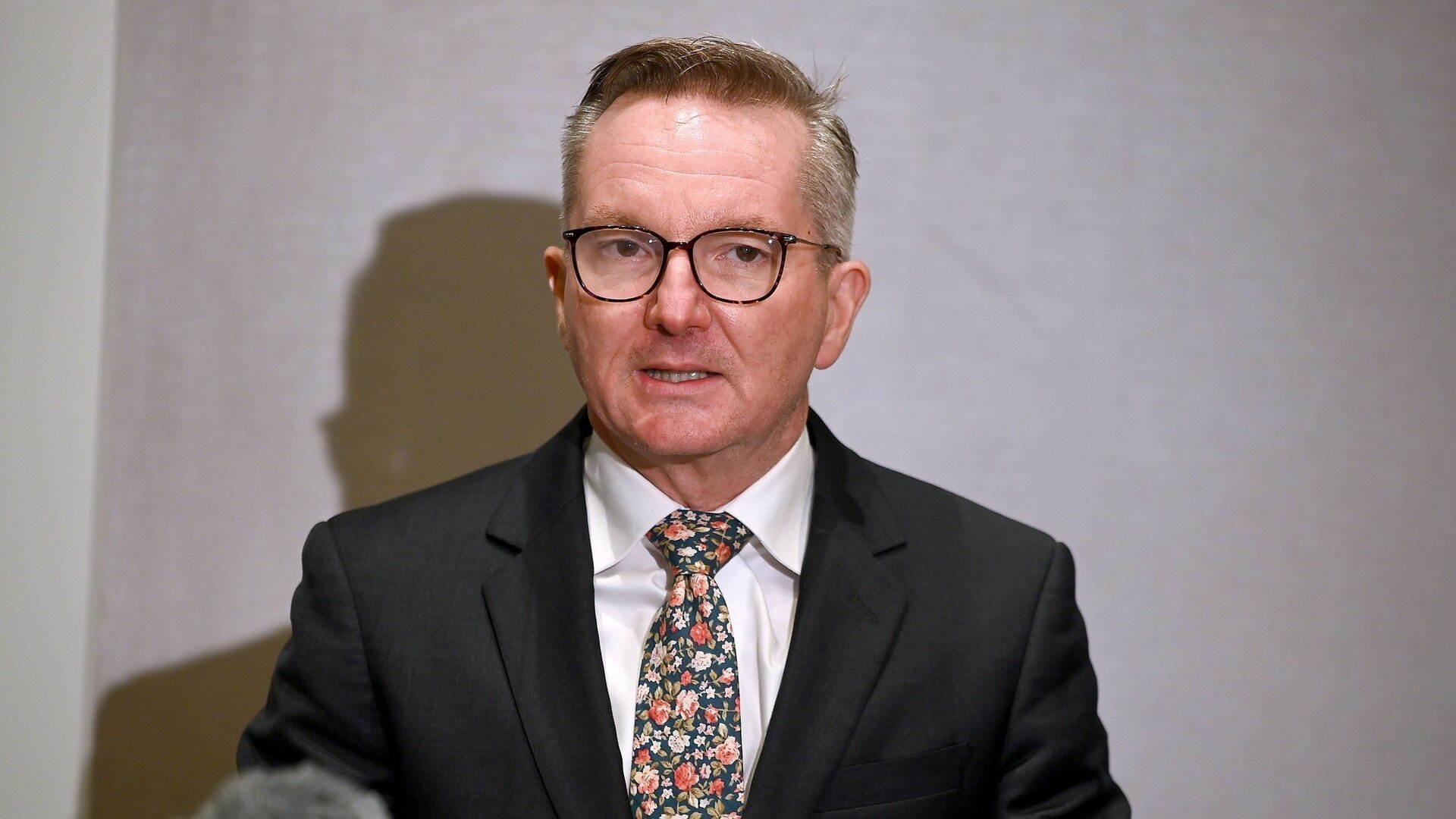
Federal Minister for Climate Change and Energy Chris Bowen said that while Australia’s fuel supply remains strong, with 38 days’ worth of petrol and 30 days’ worth of diesel and jet fuel, panic buying is driving domestic shortages.
According to Bowen, the country’s refineries are working at full capacity, and ships continue to arrive in good numbers, with only six out of 81 average monthly deliveries cancelled.
However, he cautioned that further ship cancellations are possible in the coming weeks.
Despite this, Bowen emphasized that the government is working closely with refiners and importers to replace these shipments and minimize the impact on the supply chain.



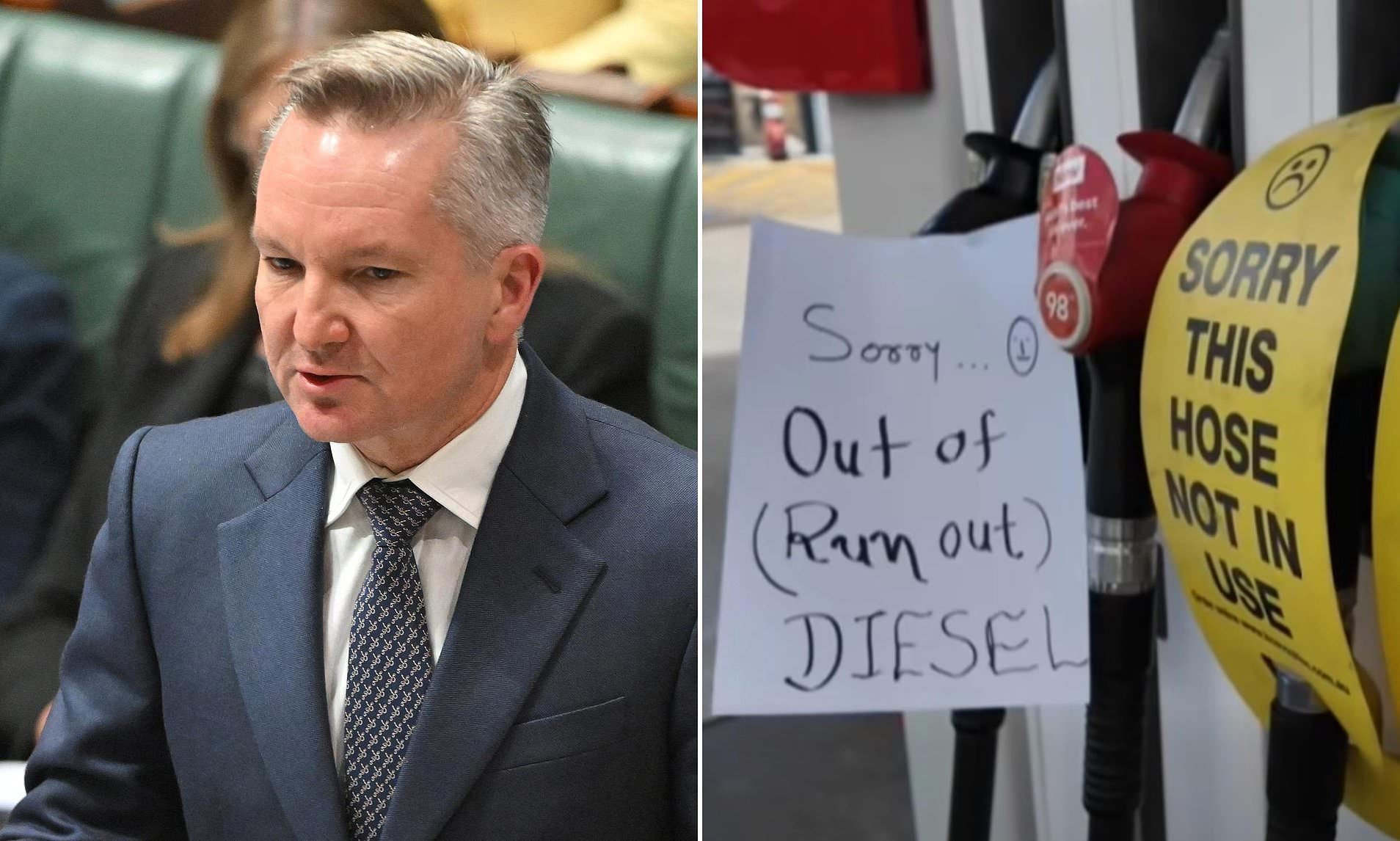
The minister’s comments come as fuel prices have spiked across the country, with some service stations already running out of fuel. Bowen attributed the price surge to panic buying, which has seen demand double in some areas.
“I think you should always expect Australians to be concerned when they see oil ships being bombed on their televisions at night, so yes, this was understandable and expected,” he said.
The situation is particularly challenging in regional areas, where the supply chain is harder to manage. Bowen explained that refineries have had to prioritize contractual obligations, leaving rural suppliers and service stations working on tight margins and struggling to access fuel.
The spot market, which typically operates in these areas, has also been impacted.
In response to recommendations from the International Energy Agency for people to work from home and drive less, Bowen said that while it’s a sensible approach, it’s not a one-size-fits-all solution.
He encouraged Australians to minimize their fuel use, but acknowledged that this may not be possible for everyone.
Despite the challenges, Bowen ruled out the use of the National Liquid Fuel Emergency Act (1984), which would allow the government to direct the supply of fuel domestically and impose measures like rationing.
He emphasized that the Act is designed to be used in extreme circumstances and would only be invoked if absolutely necessary.
Analysis: What This Means for Australia
The fuel supply crisis has significant implications for Australia’s national security, economy, and communities. The government’s response will be critical in mitigating the impact of the crisis and ensuring the country’s fuel needs are met.
Security analysts say that the situation highlights the need for a more diversified fuel supply chain and greater investment in alternative energy sources.
Law enforcement insiders warn that the crisis also poses a risk to public safety, particularly in regional areas where fuel shortages could lead to social unrest.
Industry observers believe that the government’s handling of the crisis will have long-term consequences for the economy, with potential flow-on effects for inflation and employment.
As the situation continues to unfold, Australians are being urged to remain calm and avoid panic buying.
By working together, the government, industry, and individuals can help mitigate the impact of the fuel supply crisis and ensure a stable future for the country.