
World Teeters on Brink of Chaos as Iran Refuses to Back Down on Strait of Hormuz, Defying Trump’s Ultimatum
- Iran vows to target US-linked energy, technology, and infrastructure if strikes proceed, sparking fears of global chaos
- Former Navy SEAL warns Iran will not comply with Trump’s 48-hour ultimatum, predicting a response within 24 hours
- Global energy markets on edge as tensions escalate, with Iran threatening to close Strait of Hormuz indefinitely
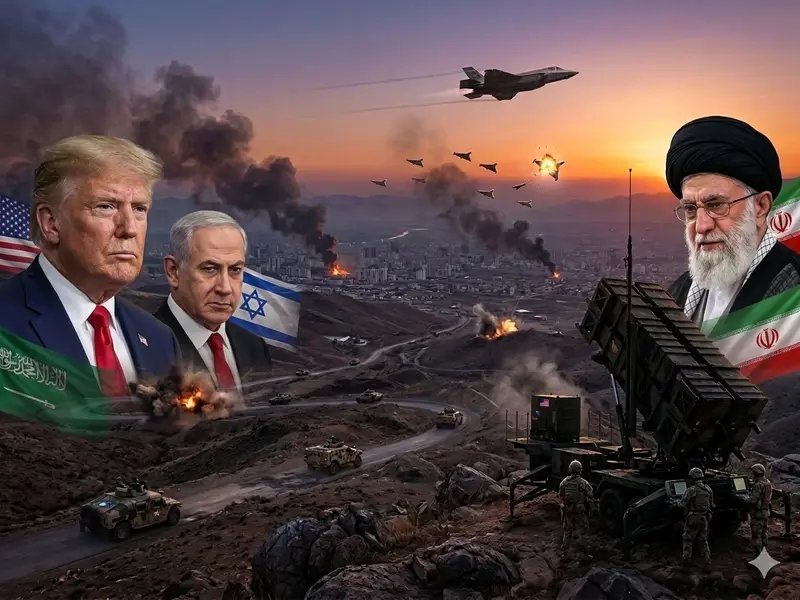
The world is holding its breath as Iran refuses to back down on the Strait of Hormuz, defying US President Donald Trump’s 48-hour ultimatum to reopen the critical waterway.
With less than 24 hours remaining on the deadline, tensions are reaching a boiling point, with Iran vowing to target US-linked energy, technology, and infrastructure if strikes proceed.
Former US Navy SEAL and Recon Marine Michael Sarraille has warned that Iran will not comply with Trump’s ultimatum, predicting a response within 24 hours.
“Given the two intermediary ballistic missiles they just launched at Diego Garcia, there is very likely a response that will come from Iran within 24 hours,” Sarraille said.
Despite the US reportedly degrading up to 90 per cent of Iran’s military infrastructure, Sarraille warned that the threat is far from over.



“This systematic attrition, the air power overhead continuing to identify those targets is pivotal over the next few weeks to ensure that they have no strike capabilities,” he said.
Concerns are also mounting over the potential for Iran to target its own critical infrastructure, including Kharg Island, which handles about 90 per cent of the country’s oil exports.
While this is possible, Sarraille said it is unlikely as the island is Iran’s “financial jugular”. “Could they destroy their own oil infrastructure to prevent the US from seizing Kharg Island?
They absolutely could. But that will hit their cash register,” Sarraille said.
The warning comes as new questions emerge over Iran’s missile capabilities, following an attempted strike on the remote US-UK military base of Diego Garcia in the Indian Ocean.
Reports indicate two ballistic missiles were launched toward the base, around 4,000km from Iran. One reportedly malfunctioned mid-flight, while the other was intercepted or failed to reach its target.
Despite the failed strike, analysts said the distance alone was significant, potentially signalling efforts by Iran to extend the range of its missile systems beyond its previously stated limits.
The attempted attack comes alongside increasingly aggressive rhetoric, with Iran warning that “parks, recreational areas and tourist destinations” could be targeted globally.
Sarraille said the situation should act as a wake-up call for NATO nations, particularly as global energy markets remain on edge. He urged allies to begin contingency planning and prepare to support efforts to reopen the Strait of Hormuz, a critical chokepoint for global oil supply.
Analysis: What This Means for Australia
The escalating tensions between the US and Iran have significant implications for Australia’s national security and economy. As a major oil importer, Australia is heavily reliant on the Strait of Hormuz for its energy needs.
If Iran follows through on its threat to close the strait, it could lead to a surge in oil prices, sparking inflation and economic instability.
Furthermore, the situation highlights the need for Australia to strengthen its relationships with regional allies and invest in its own military capabilities to ensure the country’s security in the face of growing global uncertainty.
Security analysts say the situation is a stark reminder of the importance of a strong and coordinated international response to regional conflicts.
“This is a wake-up call for Australia and its allies to take a more proactive role in maintaining regional stability and security,” said one expert.
As the world waits with bated breath to see how the situation unfolds, one thing is clear: the stakes are high, and the consequences of inaction could be devastating.