Fuel Crisis: Albanese Government Unleashes Emergency Plan to Secure Supply as Panic Buying Wreaks Havoc Across Australia
- Hundreds of service stations across Australia hit by fuel shortages, with New South Wales and Queensland worst affected
- Panic buying blamed for exacerbating crisis, with motorists urged to stop hoarding fuel
- Government to underwrite delivery of additional fuel cargoes to stabilise supply amid Middle East tensions
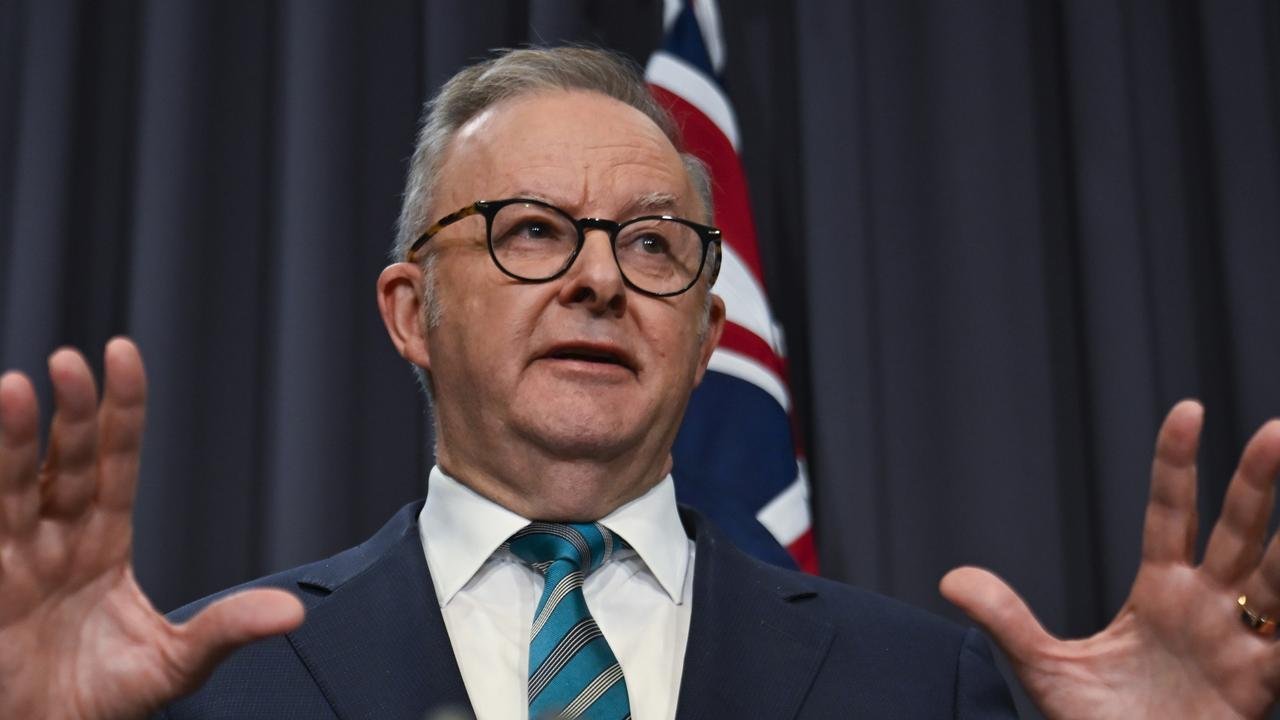
The Albanese government has announced drastic measures to combat the worsening fuel crisis, as panic buying and supply shortages continue to wreak havoc across Australia.
With hundreds of service stations struggling to keep up with demand, particularly in New South Wales and Queensland, the government is taking bold action to shore up supply.
At the heart of the plan is a commitment to underwrite the delivery of additional fuel cargoes from the international market.
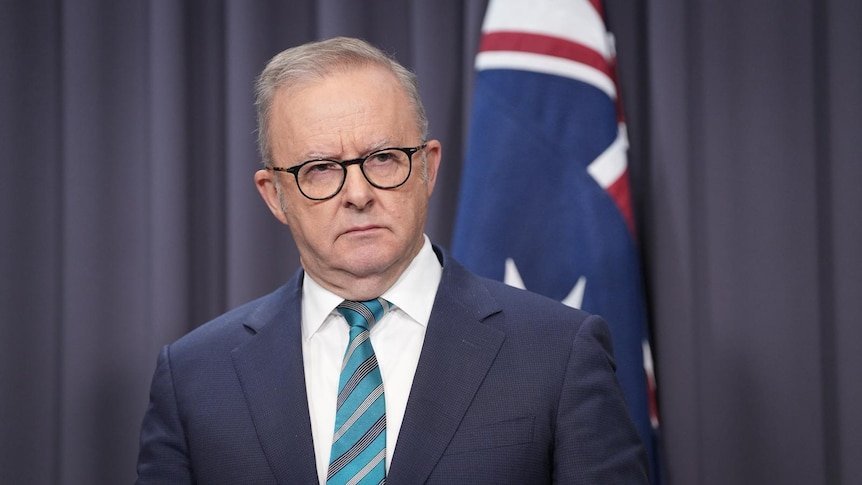
This move aims to provide an insurance policy against supply disruptions, giving suppliers the confidence to secure additional shipments and meet uncontracted demand, including for regional and independent fuel suppliers.
The government’s intervention comes as the country teeters on the brink of a fuel-affordability crisis.



Footage circulating on social media shows motorists filling up multiple jerry cans with fuel at service stations, sparking concerns about hoarding and further exacerbating the shortage.
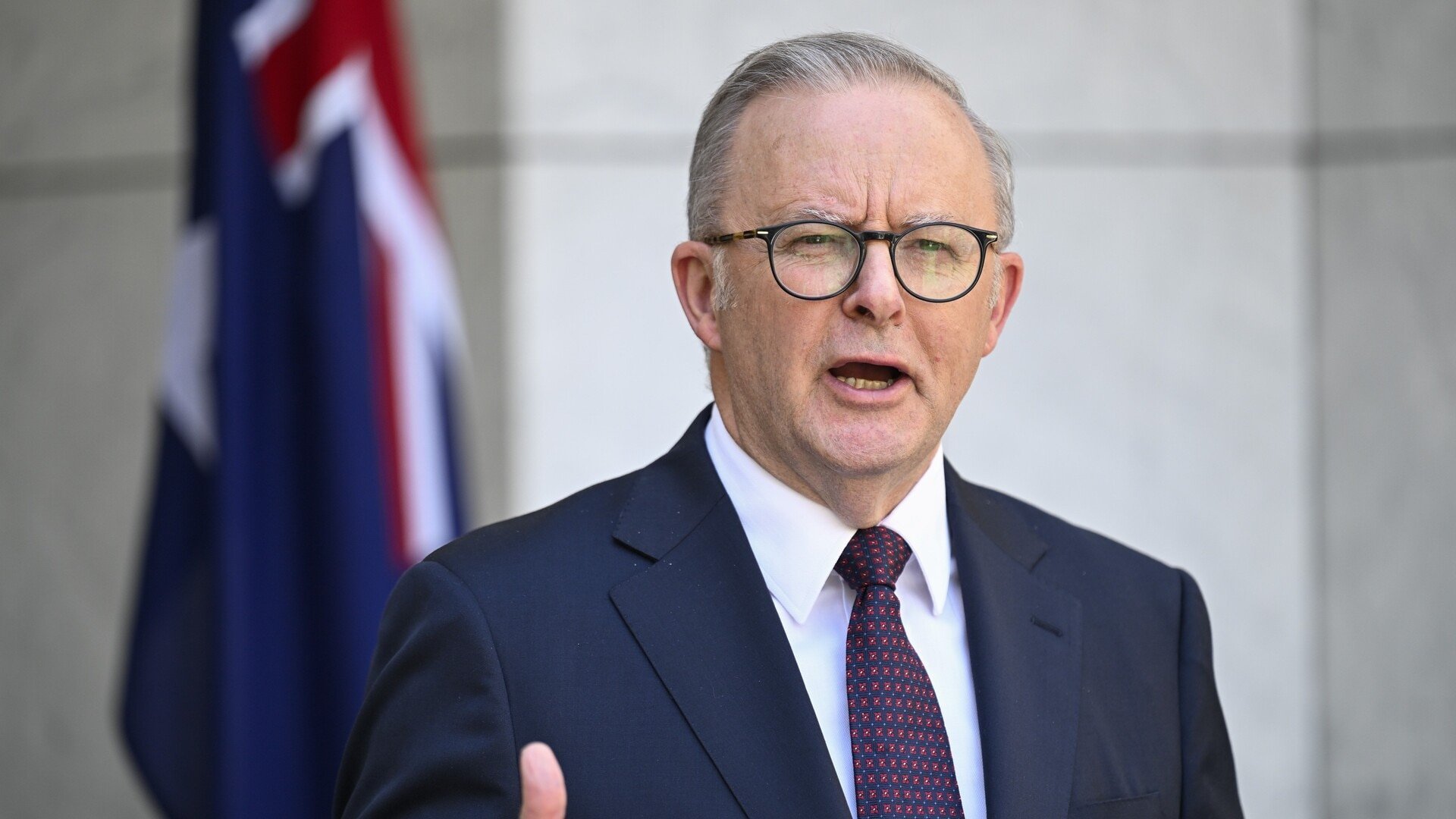
Prime Minister Anthony Albanese has stressed that the shortage is primarily caused by panic buying, rather than supply constraints.
“This isn’t toilet paper that’s being piled up in some garages,” he said, urging motorists to stop hoarding fuel and trust that the government is working to stabilise supply.
Energy Minister Chris Bowen has revealed that Australia has more than a month’s worth of fuel in reserve, including petrol and jet fuel.
However, the opposition remains focused on the cost, with Leader Angus Taylor repeating his call for the government to halve the fuel excise – a 53 per cent flat tax per litre applied at the petrol pump.
Analysis: What This Means for Australia
The government’s decision to underwrite fuel deliveries is a significant step towards addressing the current crisis, but it also raises questions about the long-term sustainability of Australia’s fuel security.
As tensions in the Middle East continue to simmer, the country’s reliance on imported fuel leaves it vulnerable to supply disruptions.
Security analysts say that the government’s move is a necessary response to the current crisis, but it also highlights the need for a more comprehensive approach to fuel security.
“This is a short-term fix, but we need to think about the bigger picture,” said one expert. “We need to invest in alternative energy sources and diversify our fuel supply to reduce our reliance on imported fuel.”
Law enforcement insiders warn that the current crisis also has implications for public safety. “When people are desperate, they do desperate things,” said one officer.
“We’re seeing an increase in fuel-related crime, from theft to vandalism, and it’s putting a huge strain on our resources.”
Industry observers believe that the government’s decision will have significant economic implications, particularly for regional and independent fuel suppliers. “This move will give them the confidence to invest in their businesses and create jobs,” said one industry insider.
“It’s a shot in the arm for the economy.”