Australia’s Faith in US Alliance Shaken as Iran War Enters Second Month, Warns Coalition Frontbencher
- Credibility of the United States is being damaged, says Andrew Hastie, as the Iran war enters its second month.
- Australians may be losing faith in the alliance, with the country’s economy heavily dependent on Middle East fuel exports.
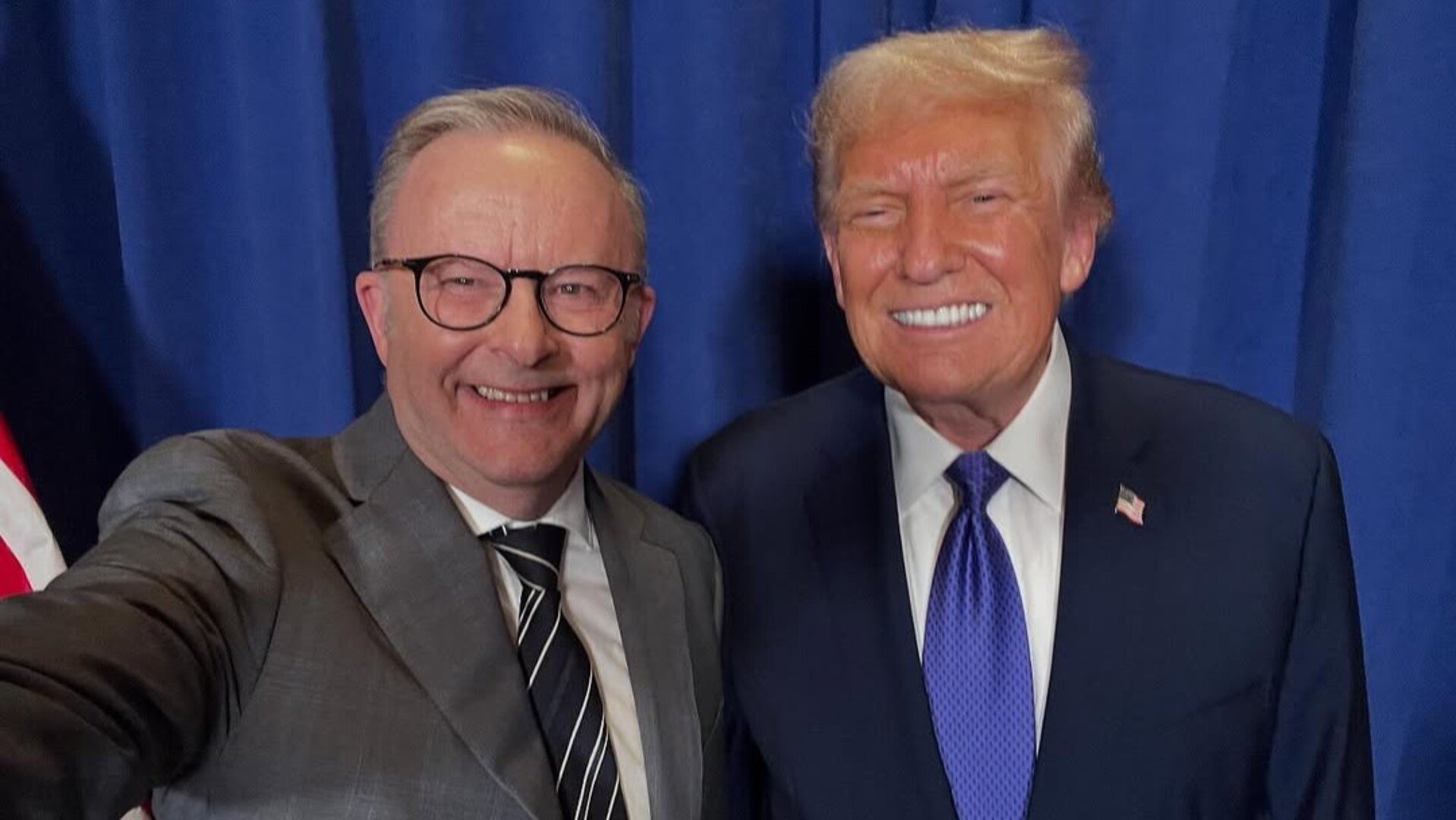
- Hastie criticises US President Donald Trump’s failure to consult allies, including Australia, on the war in Iran.
- The coalition frontbencher suggests a new tax on gas exports could be considered to shield Australians from economic fallout.
The Iran war has entered its second month, and the credibility of the United States is taking a hit, warns Coalition frontbencher Andrew Hastie.
The shadow minister for industry and sovereign capability believes Australians may be losing faith in the alliance, as the country’s economy remains heavily dependent on Middle East fuel exports.
The war in Iran has been a “huge miscalculation”, according to Hastie, who criticises US President Donald Trump’s failure to consult its allies, including Australia.
Many countries, including Australia, are dependent on the export of fuel in and out of the Middle East, and the economic pain is expected to be acute.
“Iran has been able to pretty much hold the whole world economy to ransom,” Hastie told Insiders.
Hastie’s comments come as state and territory leaders prepare to meet ahead of the national cabinet meeting tomorrow. The government has sought modelling from the Treasury for new levy options on gas exporters profiting from the global energy crisis.
Unions, the Greens, crossbenchers, and One Nation are among those who want gas profits levied, with pressure mounting on Labor to respond to growing calls to reform the current tax system.
However, some members of the Coalition have joined the gas industry to argue that the current energy crisis is the worst time to act. But Hastie signalled that he may be open to the levy, saying the Iran war had changed Australia’s position.
“I think multinationals and big business in this country have lost their social licence. They’ve made no effort to recover it,” he said.
Analysis: What This Means for Australia
The Iran war has significant implications for Australia’s national security and economy. As a close ally of the United States, Australia is heavily dependent on the Middle East for fuel exports.
The war has already led to a surge in fuel prices, and the economic pain is expected to be acute.
Hastie’s comments suggest that the government may need to consider new measures to shield Australians from the economic fallout, including a new tax on gas exports.
Security analysts say that the Iran war has exposed the vulnerability of Australia’s economy to global events. “The war has highlighted the need for Australia to diversify its energy sources and reduce its dependence on the Middle East,” said one analyst.
“The government needs to take a long-term view and invest in renewable energy sources to reduce our reliance on fossil fuels.”
Law enforcement insiders warn that the war in Iran has also raised concerns about the potential for terrorist attacks on Australian soil. “The war has created a power vacuum in the region, and terrorist groups may seek to exploit this,” said one insider.
“The government needs to remain vigilant and take steps to protect Australians from the threat of terrorism.”
Industry observers believe that the war in Iran has changed the game for Australia’s energy sector.
“The war has created a new era of uncertainty, and the government needs to respond with a comprehensive energy policy that addresses our energy security,” said one observer.
“This includes investing in renewable energy sources, increasing energy efficiency, and reducing our dependence on fossil fuels.”