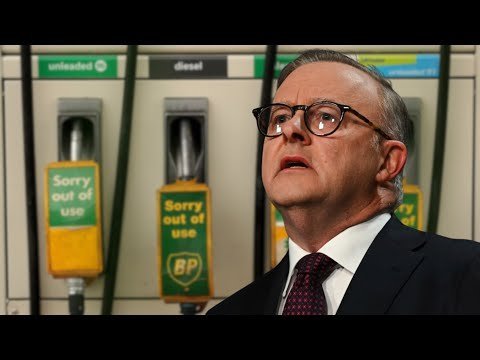
Fuel Crisis: PM Steps In to Secure Shipments as Petrol Stations Run Dry Across Australia
- Prime Minister Anthony Albanese announces government intervention to underwrite fuel shipments to secure supply and ease shortages
- Fuel security powers to allow government to work with suppliers to keep fuel flowing, but at a cost of millions to taxpayers
- Government considers temporary cut in fuel excise, national dashboard to track shortages, and other measures to address crisis
The Australian government has taken drastic measures to address the fuel crisis that has left hundreds of petrol stations dry across the country.
Prime Minister Anthony Albanese announced that the government will underwrite the delivery of additional cargoes of fuel to Australia, in a move that will cost taxpayers millions of dollars.
The intervention is the biggest to date to boost supply and ease shortages, and comes as the country faces a fuel security crisis.
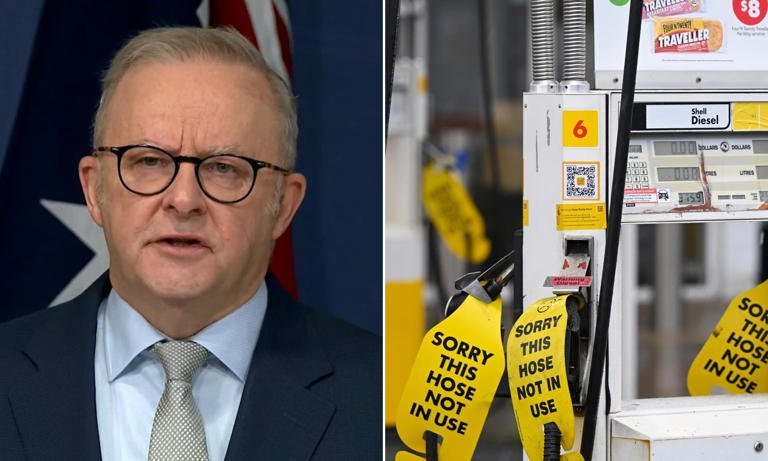
The Prime Minister made the announcement at a press conference in Sydney, where he warned against people hoarding petrol and emphasized the need for personal responsibility in the face of the crisis.
He expressed concern over pictures of Australians filling up multiple jerry cans at a time, saying it was “not the Australian way” and that people need to take only what they need.


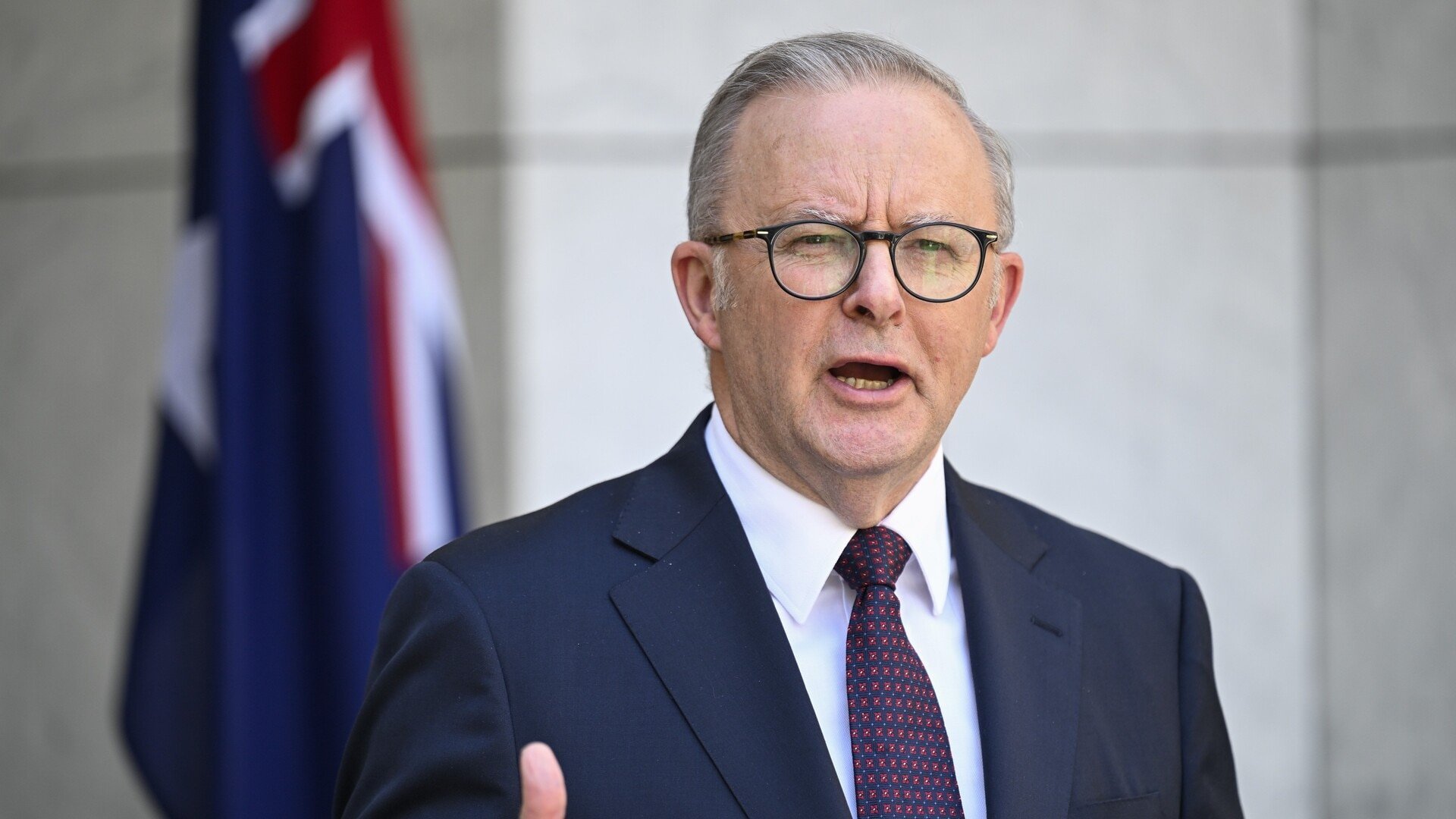

Energy Minister Chris Bowen revealed that the latest figures suggest Australia has 39 days of fuel in stockpiles and 30 days of diesel, despite regional shortages.
The government’s new fuel security powers are designed to allow it to work with fuel suppliers to keep fuel flowing to Australia, but are expected to come at a significant cost.
The legislation to support the new powers will involve changes to the Export Finance and Insurance Corporation Act, formalizing the Commonwealth’s ability to underwrite additional cargoes and other vital strategic reserves as needed.
The government is also considering other measures to address the crisis, including a temporary cut in fuel excise and the development of a national dashboard to track shortages.
However, concerns remain that cutting fuel excise would be expensive and could increase fuel demand, which is the last thing the government wants right now. The government is examining multiple scenarios, with “everything on the table” amid fears the crisis could worsen.
Analysis: What This Means for Australia
The fuel crisis has significant implications for national security, law enforcement, and the economy.
The government’s intervention is a critical step in securing fuel supply and preventing further shortages, but it also raises questions about the long-term sustainability of the country’s fuel security.
The crisis has also highlighted the need for greater investment in fuel infrastructure and diversification of energy sources.
Security analysts say that the crisis has exposed weaknesses in Australia’s fuel supply chain, which is heavily dependent on imports. The government’s move to underwrite fuel shipments is a short-term solution, but it does not address the underlying issues that led to the crisis.
The country needs a more comprehensive approach to fuel security, including investment in domestic refineries and diversification of energy sources.
Law enforcement insiders warn that the crisis has also created opportunities for criminal activity, including fuel theft and price gouging. The government needs to take a tough stance on these activities and ensure that those responsible are held accountable.
The fuel crisis also has significant economic implications, particularly for industries that rely heavily on fuel, such as construction and transportation.
The Master Builders association has written to the ACCC requesting that the agency monitor the construction supply chain for price gouging, as building costs are likely to be pushed up further making it more difficult to achieve federal government housing targets.
Industry observers believe that the crisis has also highlighted the need for greater investment in renewable energy sources and reducing the country’s reliance on fossil fuels.
The government needs to take a long-term view and invest in sustainable energy solutions to ensure that Australia is not vulnerable to future fuel crises.