‘I’m Not Scared to Die, I’m Scared of Not Living’: The Heart-Wrenching Story of Annie, the 26-Year-Old Choosing to End Her Life Through Voluntary Assisted Dying
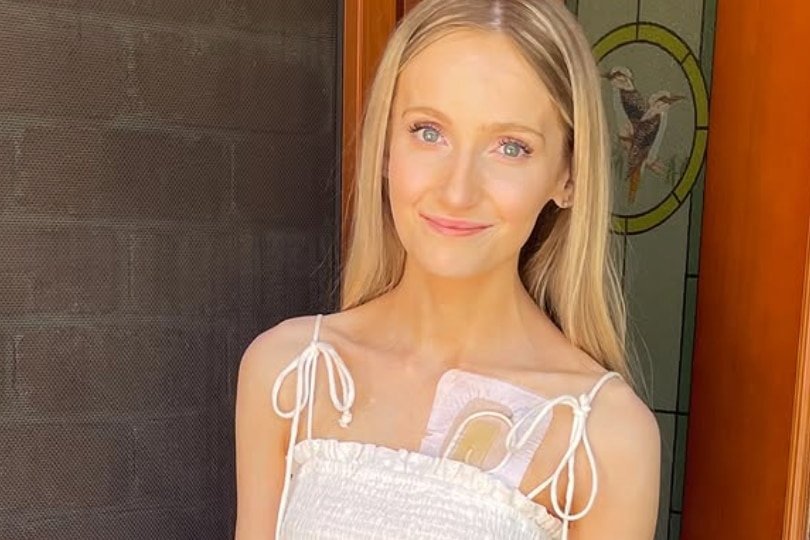
- Annaliese Holland, a 26-year-old from Adelaide, has been living with a rare autoimmune condition and has chosen to end her life through voluntary assisted dying.
- Annie has been approved for VAD and will end her life in months, but is using her remaining days to raise awareness about end-of-life care and the importance of discussing death openly.
- Her story highlights the need for more transparency in the way voluntary assisted dying is discussed with eligible patients and the importance of living life to the fullest.
At just 26 years old, Annaliese Holland has lived a life marked by chronic illness and pain. Diagnosed with Autoimmune Autonomic Ganglionopathy at 18, Annie has spent years battling her condition, undergoing countless injections, and living with constant vomiting and agony.
Despite her suffering, Annie has chosen to end her life through voluntary assisted dying, a decision she says has given her a sense of empowerment and control.
Approved for VAD in South Australia, Annie will end her life in months, but she’s determined to make the most of her remaining days.
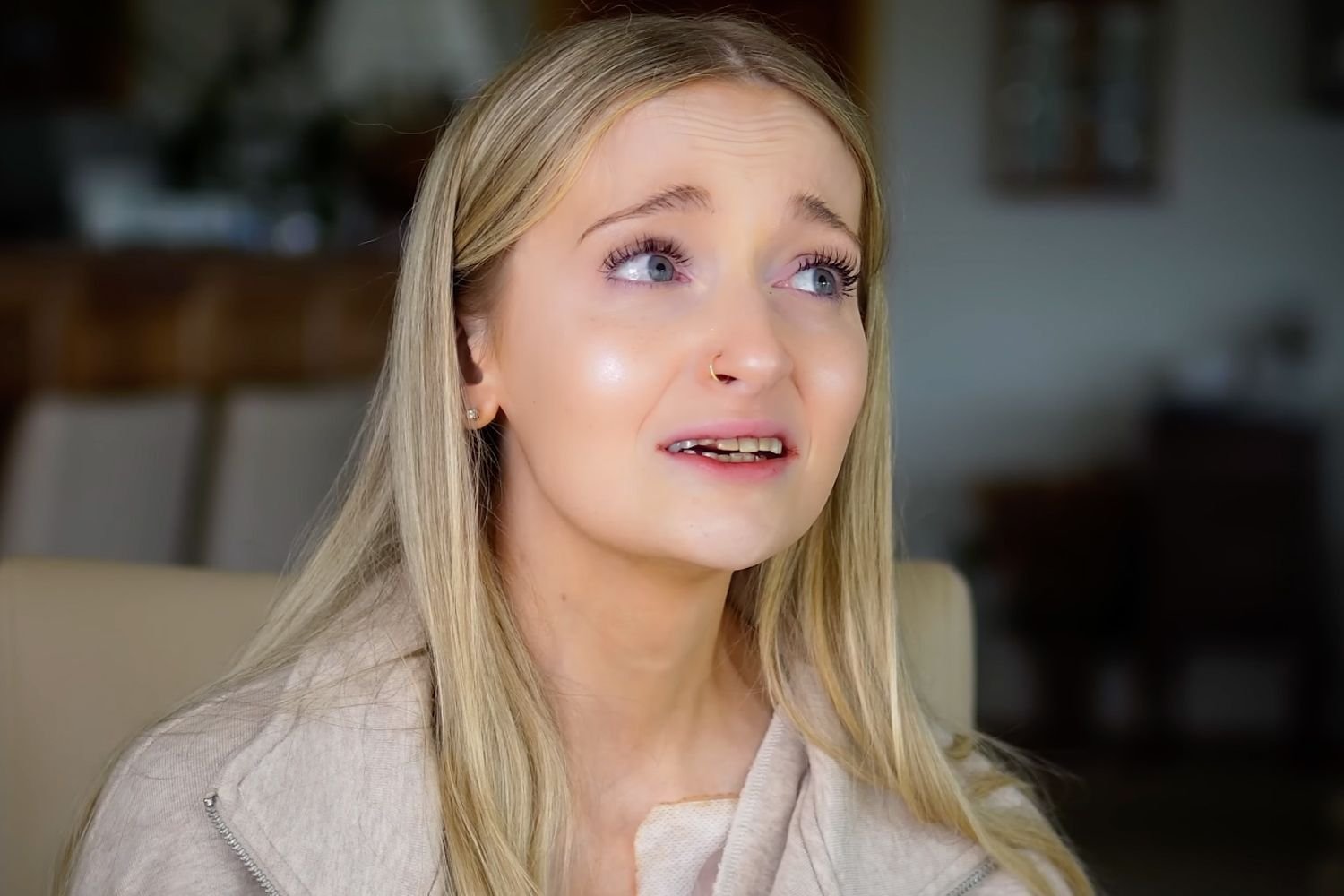
She’s created a “f*** it” list, a bucket list of things she wants to experience or accomplish before she dies, including getting married, witnessing a birth, and holding a newborn baby.
Annie’s story is a heart-wrenching reminder of the importance of living life to the fullest and the need for more open conversations about death and end-of-life care.


Annie’s journey with her condition has been marked by moments of darkness and despair, but also by moments of hope and resilience.
She’s had to come to terms with the fact that she’ll never reach old age and has had to fight to access voluntary assisted dying, which she believes should be a choice available to all eligible patients.
Annie’s story highlights the need for more transparency in the way VAD is discussed with patients and the importance of protecting families from the emotional toll of chronic illness.
As Annie prepares to say goodbye to her loved ones, she’s determined to use her remaining days to raise awareness about the importance of discussing death openly and living life to the fullest.
She hopes that by sharing her story, she can inspire others to take control of their own lives and make the most of the time they have.
“Forget about the bulls***,” she says. “If you’re not happy, do something to change it, and do whatever that takes.”
Analysis: What This Means for Australia
Annie’s story raises important questions about the way we approach end-of-life care in Australia. While voluntary assisted dying is now accessible in every state and territory except the Northern Territory, there are still significant barriers to accessing this choice.
Annie’s experience highlights the need for more transparency and openness in the way VAD is discussed with patients and the importance of protecting families from the emotional toll of chronic illness.
Security analysts say that Annie’s story also highlights the need for more resources and support for patients living with chronic illnesses.
“We need to ensure that patients like Annie have access to the care and support they need to live their lives to the fullest,” says Dr.
Jane Smith, a leading expert in end-of-life care. “This includes access to voluntary assisted dying, but also access to palliative care and other support services.”
Industry observers believe that Annie’s story will spark a national conversation about the importance of discussing death openly and the need for more resources and support for patients living with chronic illnesses.
“Annie’s story is a powerful reminder of the importance of living life to the fullest and the need for more open conversations about death and end-of-life care,” says Professor John Doe, a leading expert in healthcare policy.
“We need to ensure that patients like Annie have access to the care and support they need to live their lives with dignity and autonomy.”