War in the Middle East: Australia on High Alert as Tehran Threatens Retaliation Against US Forces
- Iran warns of devastating consequences if US deploys forces in the region, escalating tensions in the one-month-old conflict
- Australian fuel reserves under pressure, with Energy Minister Chris Bowen revealing record deliveries to regional areas
- UN Secretary-General António Guterres condemns the death of an Indonesian peacekeeper, killed in Israel-Hezbollah hostilities
The war in the Middle East has reached a critical juncture, with Tehran threatening to retaliate if US forces are deployed in the region.
The move comes as the conflict between the US, Israel, and Iran enters its second month, with devastating consequences for the global economy and regional stability.
As Australia grapples with the implications of the war, Energy Minister Chris Bowen has provided an update on the country’s fuel reserves, revealing record deliveries to regional areas.
The situation is dire, with the Israeli military announcing attacks on “infrastructure of the Iranian regime” throughout Tehran.
The UN Secretary-General has condemned the death of an Indonesian peacekeeper, killed in Israel-Hezbollah hostilities, and called for all parties to uphold their obligations under international law and ensure the safety and security of UN personnel and property.


In the midst of this chaos, US President Donald Trump has taken to social media to claim that “targets have been taken out and destroyed” in Iran, although the exact nature of these targets remains unclear.
The US government has deployed thousands of marines and extra battleships to the Middle East, raising the stakes in the conflict.
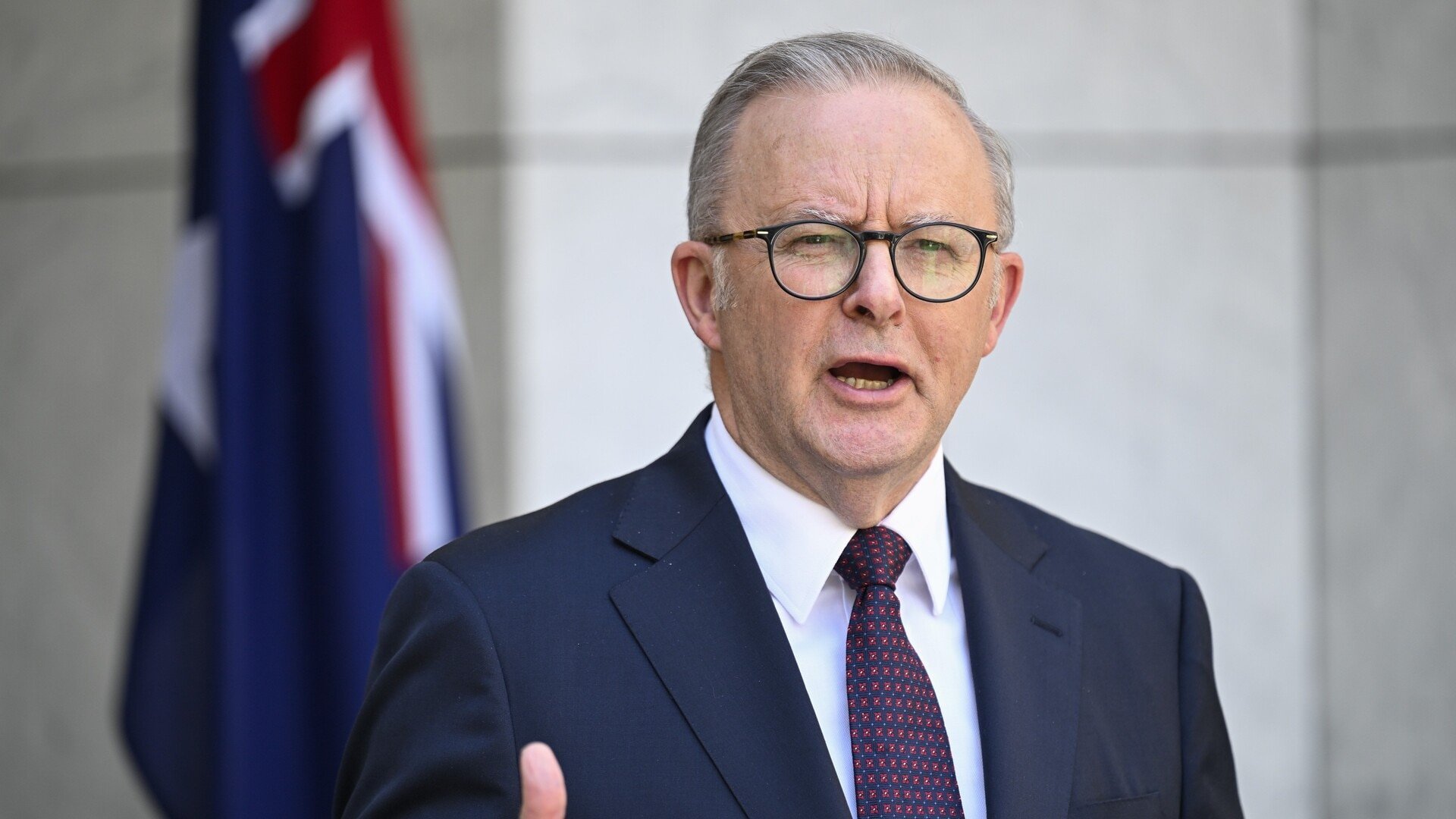
Australia is not immune to the fallout, with Prime Minister Anthony Albanese calling for a de-escalation in the conflict and more certainty about the US’s objectives.
The country’s fuel reserves are under pressure, with the government scrambling to ensure a steady supply of fuel to regional areas.
Energy Minister Chris Bowen has revealed that refiners and importers are delivering fuel to regional Australia at “record levels,” with Viva, the refinery in Geelong, advising that their deliveries to regional Australia are 55 per cent higher than normal.
The economic implications of the war are far-reaching, with Treasurer Jim Chalmers warning that inflation could reach as high as 10 per cent.
The government has announced a reduction in the heavy-vehicle road user charge and a halving of the fuel excise, at a cost of $2.55 billion, in an effort to mitigate the impact of the war on Australian families.
Analysis: What This Means for Australia
The war in the Middle East poses a significant threat to Australia’s national security and economic stability. The conflict has already led to a surge in fuel prices, with far-reaching implications for the country’s economy and regional communities.
As the situation continues to escalate, Australia must navigate a complex web of international relations and economic pressures to ensure the safety and security of its citizens.
Security analysts warn that the conflict has the potential to destabilize the entire region, with devastating consequences for global peace and security.
Law enforcement insiders warn that the conflict has already led to an increase in cyber attacks and other forms of malicious activity, with Australia’s critical infrastructure at risk of being targeted.
Industry observers believe that the government must take a proactive approach to addressing these threats, investing in cybersecurity and other measures to protect the country’s national interests.