Petrol Price Crisis: NSW Premier Calls for Electric Revolution to Break Middle East Oil Stranglehold
- NSW Premier Chris Minns warns Australia must reduce reliance on Middle Eastern oil to avoid future price shocks
- Electric vehicles and charging stations key to energy sovereignty, says Minns
- Government announces fuel saving measures, including longer, larger trucks and eased restrictions on operating hours
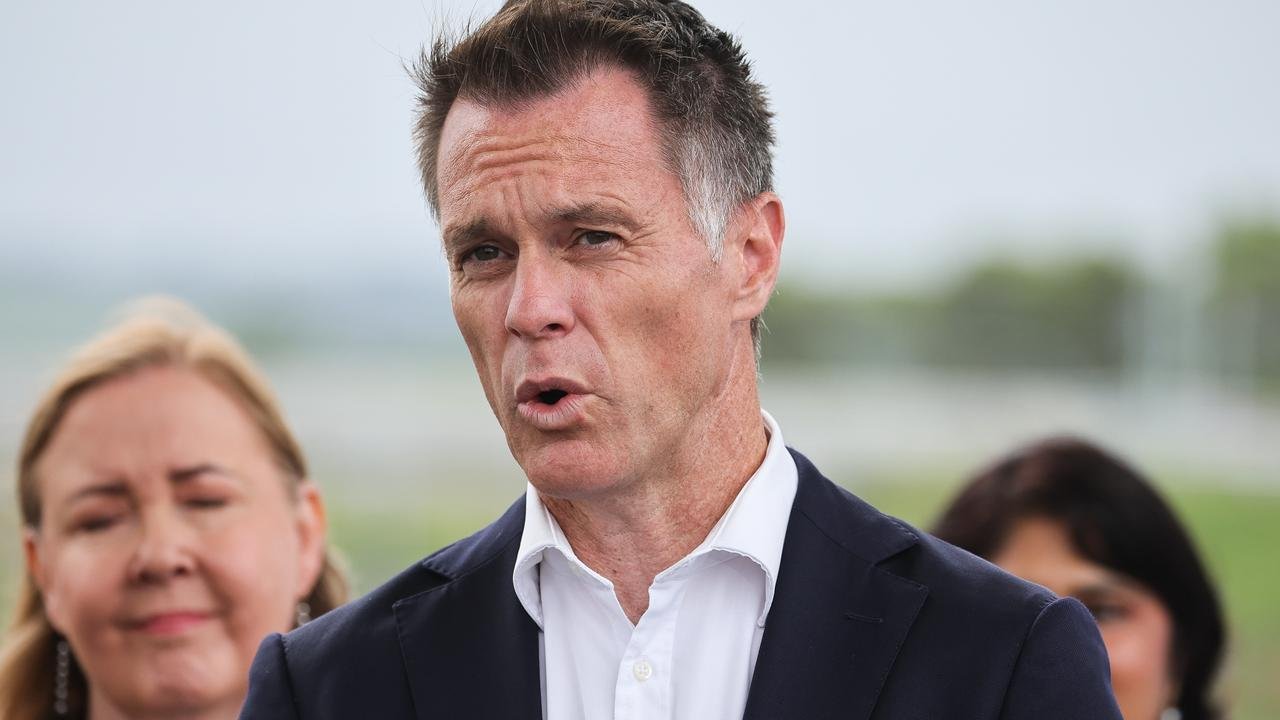
In the face of skyrocketing petrol prices, NSW Premier Chris Minns has sounded the alarm, declaring that Australia must break free from its reliance on Middle Eastern oil to avoid future price shocks.
Minns’ warning comes as the nation grapples with the consequences of the Iran conflict, which has sent petrol prices soaring.
The premier has called for a radical shift towards electric vehicles and charging stations, arguing that increased electrification is key to reducing Australia’s exposure to oil price shocks.
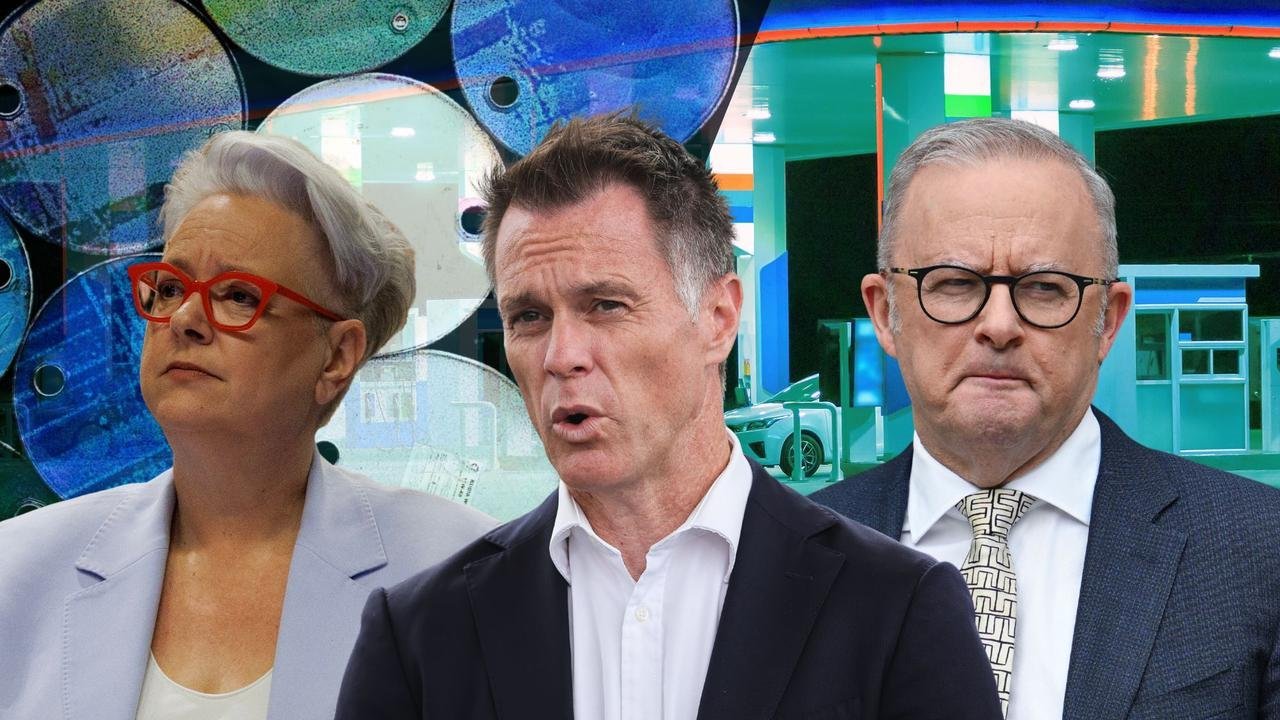
“We need more sovereignty and control over our energy, and we need to be able to drive our economy independent of what happens in the Middle East,” Minns said.
Minns’ comments come as the national fuel security plan is rolled out, with the government announcing a range of fuel saving measures.

These include allowing longer, larger trucks to have greater access to the state’s road network, easing restrictions on operating hours, and lifting curfews to allow freight to travel, and be loaded and unloaded at night.
The changes are expected to result in a diesel fuel saving of between 18 and 35 per cent across the sector, according to NSW Roads Minister Jenny Aitchison.
The measures are temporary and designed to reduce fuel use in long haul transport and freight, ensuring that goods continue to reach communities and businesses across NSW.
Meanwhile, hundreds of petrol stations across NSW are without at least one type of fuel, with almost 400 service stations affected.
The latest Fuel Check data reveals that 61 service stations have run out of all types of fuel, while 392 have run out of at least one type of fuel they would normally have.
A further 242 service stations are without diesel or premium diesel.
Stronger measures are needed to address the nation’s reliance on Middle Eastern oil, according to Minns. “We have to start thinking about the future,” he said.
“Anyone who thinks this is the last war in the Middle East is a complete mug – we have to start taking decisions now so we’re not continually roiled by conflicts in the Middle East, of which we have limited, if any, control over.”
Analysis: What This Means for Australia
The petrol price crisis has significant implications for national security, law enforcement, and the economy. As Australia’s reliance on Middle Eastern oil grows, so too does its vulnerability to price shocks and supply disruptions.
The shift towards electric vehicles and charging stations is a critical step towards energy sovereignty, but it requires a concerted effort from governments, industry, and consumers.
Security analysts say that reducing Australia’s reliance on Middle Eastern oil is essential for national security, as it minimizes the nation’s exposure to geopolitical risks. Law enforcement insiders warn that the current situation creates an environment ripe for fuel theft and other criminal activity.
Industry observers believe that the shift towards electric vehicles will drive innovation and create new opportunities for Australian businesses.
The economic consequences of the petrol price crisis are far-reaching, with higher fuel costs affecting everything from transportation to food prices.
The government’s fuel saving measures are a step in the right direction, but more needs to be done to address the root causes of the crisis.
As Minns said, “We’ve got enough energy in our country from natural resources, renewable energy and battery storage, but we have to start taking decisions now so we’re not continually roiled by conflicts in the Middle East, of which we have limited, if any, control over.”