Fuel Crisis Looms: Albanese to Plea with Australians to Conserve as Middle East War Rages On
- Prime Minister Anthony Albanese to make a rare national address, urging Australians to save fuel for essential services and industries
- Australia’s fuel reserves dwindle, with only 39 days’ worth of petrol and 30 days’ worth of diesel left in stockpile
- Fuel rationing a possibility if crisis worsens, with government already releasing emergency supplies to areas in need
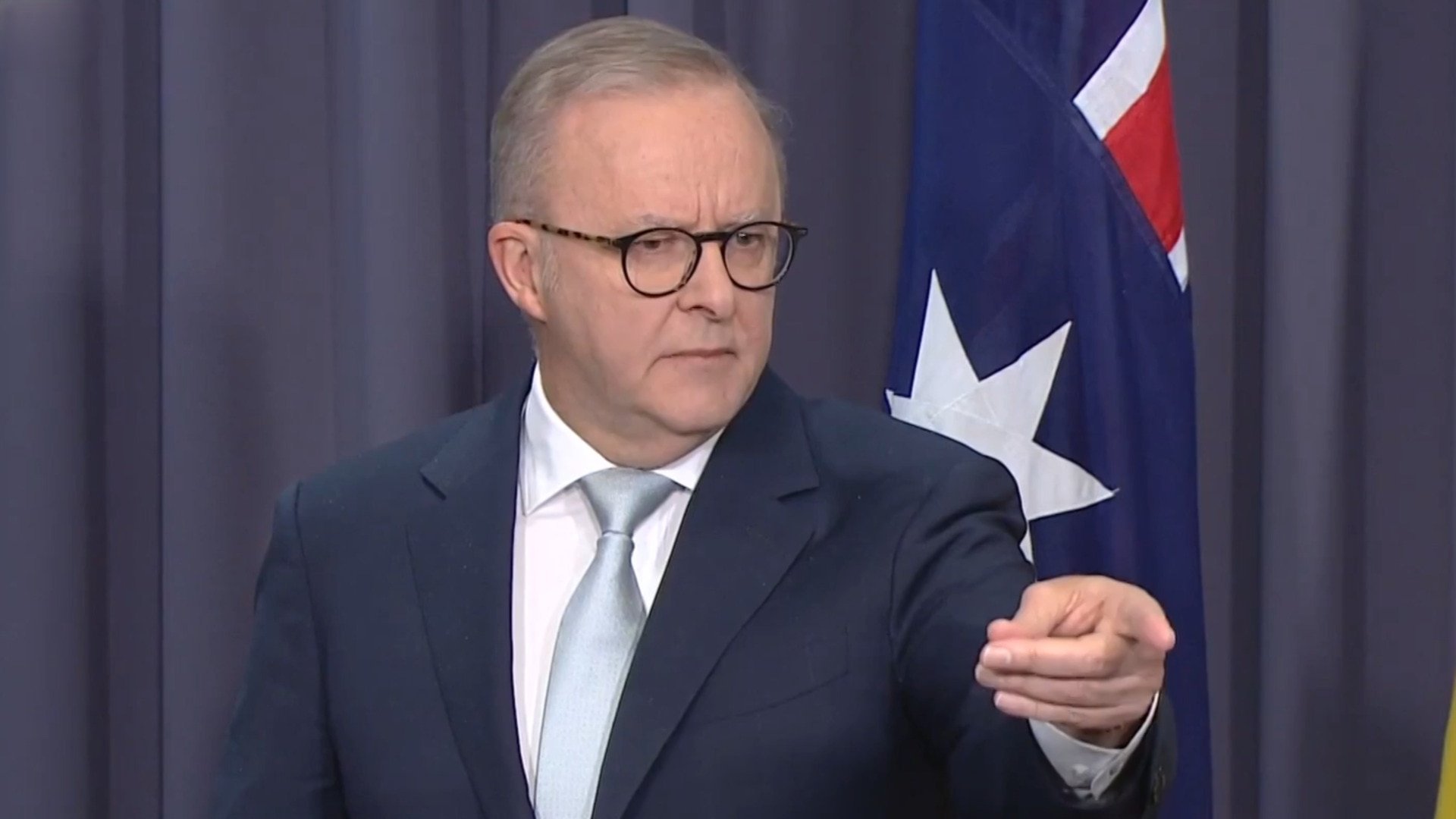
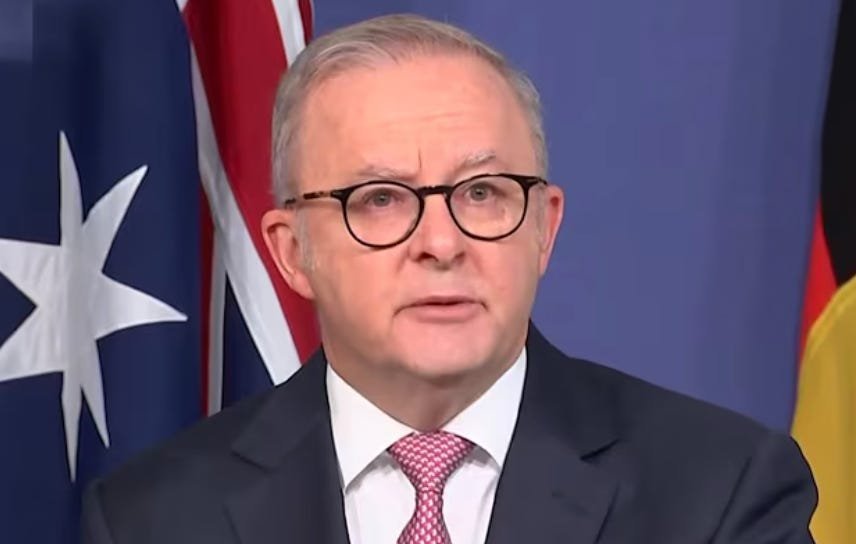
The Australian government is bracing for a fuel crisis as the Middle East conflict continues to escalate, with Prime Minister Anthony Albanese set to make a rare national address tonight to plead with Australians to conserve fuel.
In a move reminiscent of wartime efforts, Albanese will urge citizens to “play their part” in saving fuel for areas and industries that “most need it”, as the country teeters on the brink of a fuel shortage.
The address, to be simulcast on television and radio across Australia at 7pm AEDT, comes as Australia’s fuel reserves dwindle, with only 39 days’ worth of petrol, 30 days’ worth of diesel, and 30 days’ worth of jet fuel left in stockpile.
The government has already released six days’ worth of petrol and five days’ worth of diesel from its emergency stockpile to areas experiencing shortages, but the crisis is far from over.
Energy Minister Chris Bowen has reduced the minimum fuel standards for six months, allowing lower-quality petrol and diesel to remain in Australia rather than being shipped to countries with lower standards.



The government has also halved the fuel excise and reduced the heavy road user charge to zero for three months, in a bid to ease the pressure on motorists and businesses.
But despite these measures, the threat of fuel rationing looms large.
The government is not expected to publicly nominate a clear trigger point for rationing, but it is an expected measure if the country reaches level four of its four-stage national fuel response plan.
Early government analysis assumed that the national fuel reserve dropping to 10 days of supply would prompt fuel rationing, a scenario that is increasingly likely.
Analysis: What This Means for Australia
The fuel crisis has significant implications for national security, with the government’s ability to respond to emergencies and maintain public order hanging in the balance. The economic consequences are also dire, with businesses already feeling the pinch of higher fuel prices and supply chain disruptions.
The crisis has also raised questions about Australia’s energy independence and its reliance on imported fuel.
Security analysts say that the fuel crisis has exposed weaknesses in Australia’s energy infrastructure, which could be exploited by hostile actors. “This crisis has shown us that our fuel supplies are vulnerable to external shocks,” said one analyst.
“We need to take a hard look at our energy policy and make sure we’re prepared for the next crisis.”
Law enforcement insiders warn that the fuel crisis could lead to social unrest and increased criminal activity, as desperate individuals turn to illegal means to access fuel.
“We’re already seeing reports of fuel theft and hoarding,” said one source. “If the situation gets worse, we could see a breakdown in social order.”
Industry observers believe that the fuel crisis will have a lasting impact on the economy, with businesses forced to adapt to a new reality of high fuel prices and supply chain disruptions.
“This crisis is a wake-up call for Australian businesses,” said one expert. “We need to diversify our energy sources and invest in sustainable technologies to avoid being caught off guard again.”